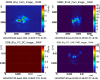
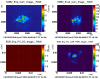
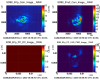
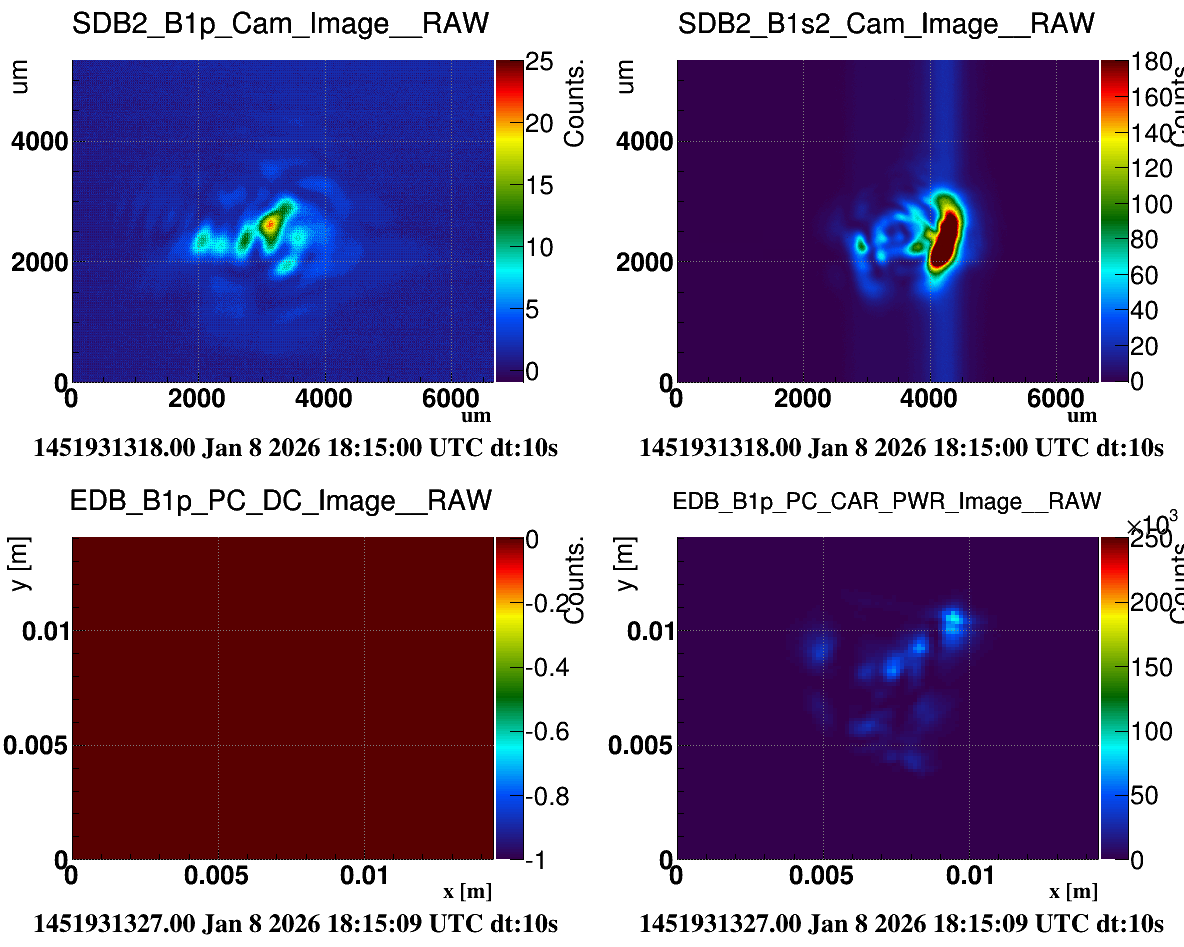
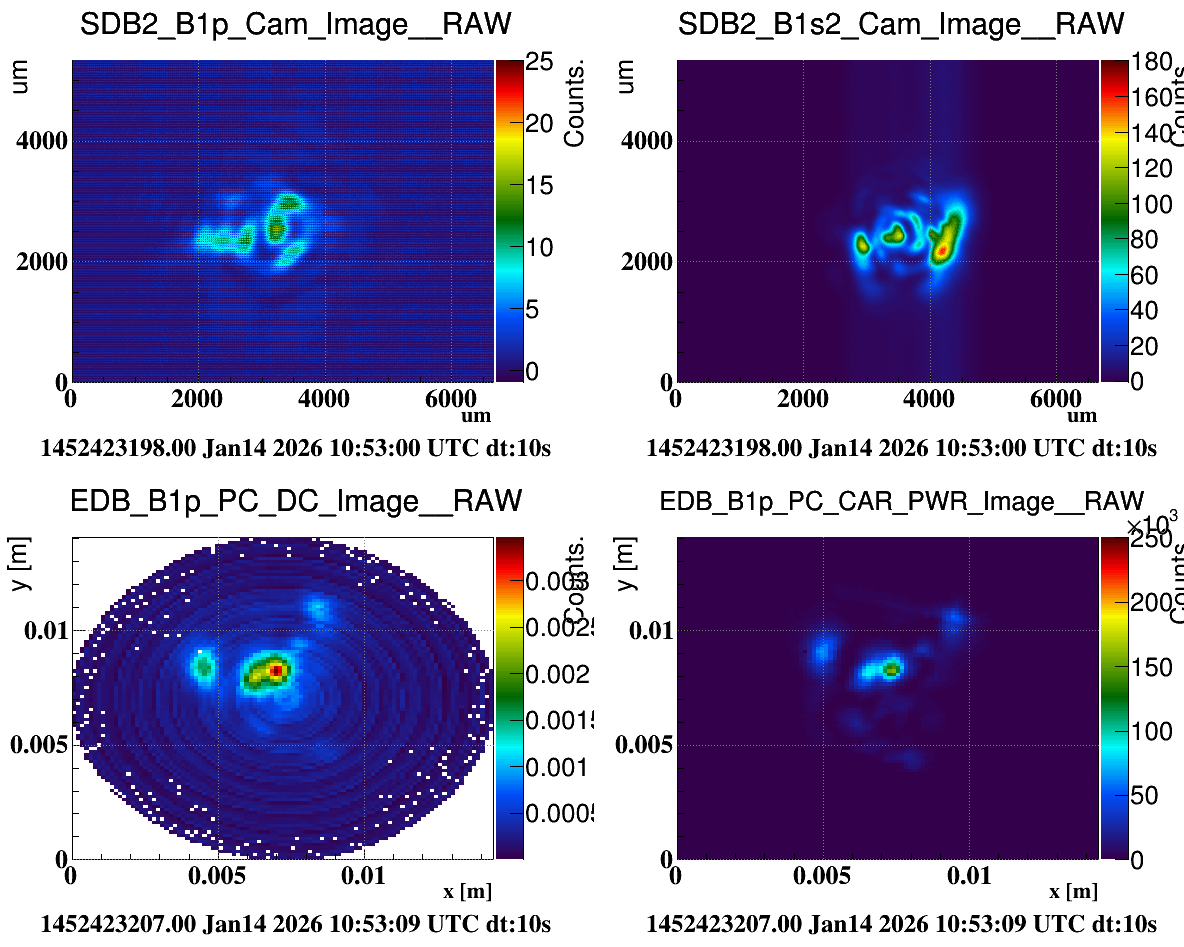
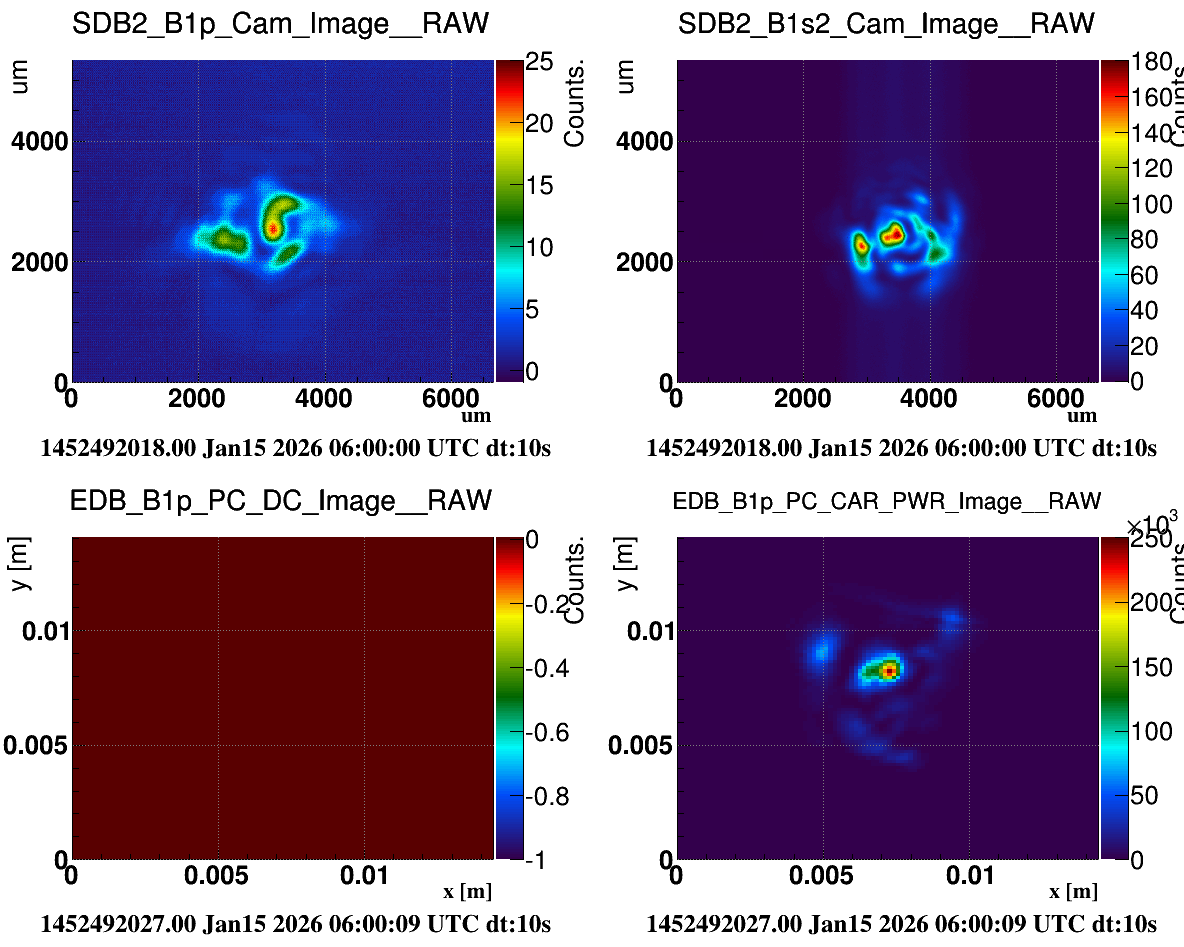
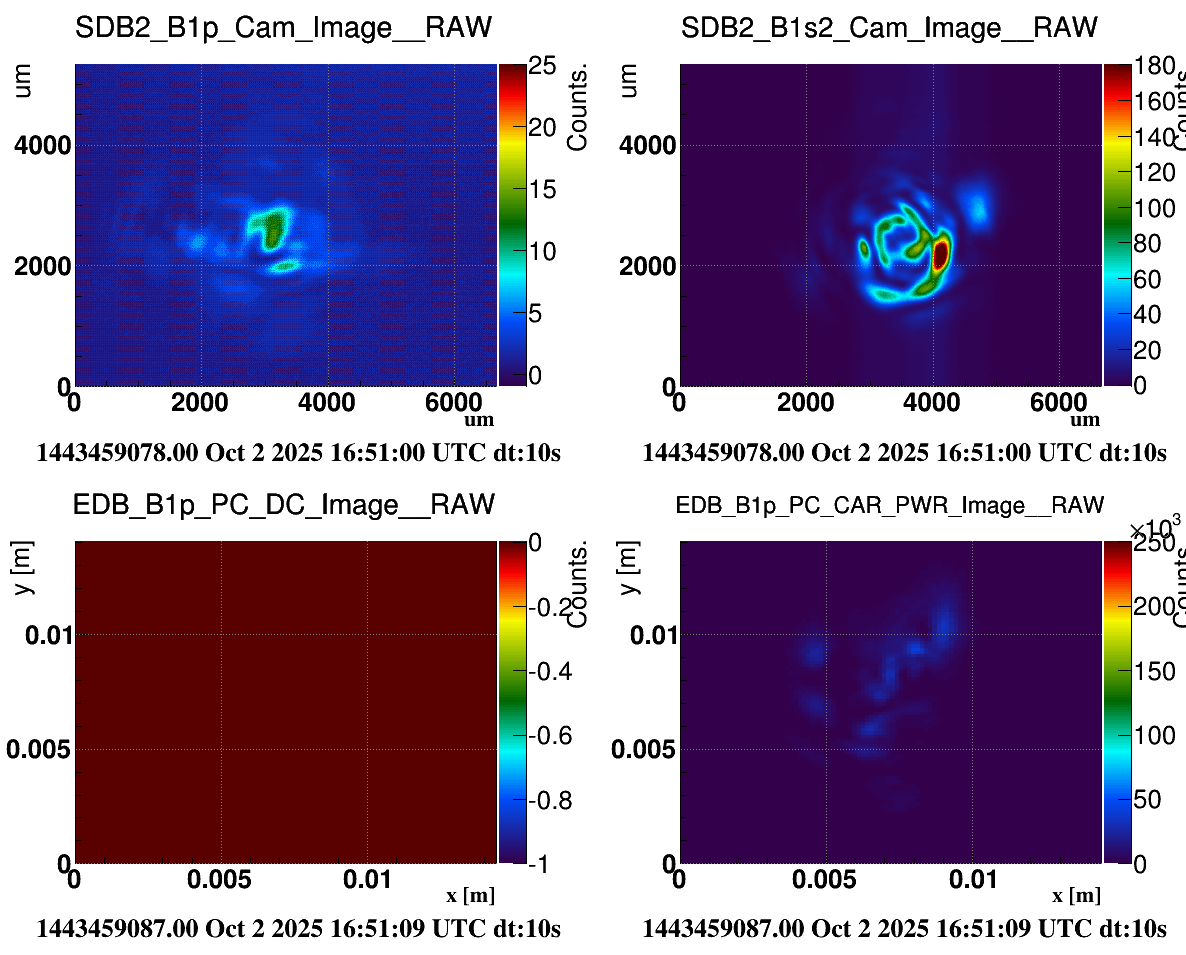
Looking at the times of the DAS translation I have the impression that the spot that appears on the left becomes also visible on B1p.
Figure 1 shows with red circle where the spot on the left appears in B1p when there is also a spot on the left on the B1s camera.
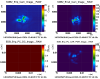
Figure 2 is the same without the circle for ease of comparison with the following figures
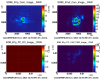
Figure 3 is before the tuning where the spot on B1s is on the right, and there is no spot on the left on B1p.
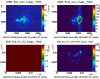
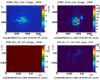
Figure 4 is halfway through the tuning, when the spot on B1s on the left and right become more comparable and there is a hint of an increase on B1p on the left.
Figure 5 is this morning when again the spot was a bit brighter on the left of both B1s and B1p.
An interpreation of this is that the spot seen on B1s is real, but when it is on the right it is clipped before reaching the B1p camera which explains why it is only see on B1s.
A way of confirming it would be to test the DAS translation again, and move it so the spot on the left becomes very bright, and if it becomes bright on both B1s and B1p it would confirm it is real. One could also move the DAS up and down and check if spots appear below and above, but that may be less reliable as that may be clipped by the SR diaphragm
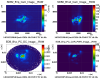
Figure 6 show the situation in LN2 from December, we actually already had a bright spot on the right, it was just not as bright. Comparing B1s to the other images, it looks like the top and bottom of the pattern is missing, which would makes sens as it would be clipped by the rectangular SR diaphragm.
Figure 7 and 8 correspond to the time in LN2 in October when the OMC mode matching was mistuned on purpose. What is interesting there is that on B1s the pattern looks the same in both cases, but it is shrunk down a little when the OMC mode matching is mistuned, which makes sense as that changes the magnification of the telescope and where the beam waist is compared to the B1s camera.