Reports 1-1 of 1 Clear search Modify search
AdV-TCS (CO2 laser projector)
aiello, bersanetti, casanueva, corubolo, lumaca, mantovani, nardecchia, pinto, spinicelli, was, zaza - 16:16 Wednesday 14 January 2026 (68479) Print this report
WI DAS movement

This morning we worked on reducing the power on B1s in order to lock the ITF in LN2 without requiring manual SR misalignment.

When the WI CO₂ laser was replaced in 2024 (64847), a similar issue was observed and mitigated by moving the WI DAS in the horizontal direction ( 64851-64865).

Thus, today we acted in the same way.

We applied 5 steps:
STEP 1: with the ITF in LN2  (locked at 8.48 UTC), at 8:57 UTC we moved WI DAS by 1.5 cm (5556 + 2778 steps) in the forward direction. The ITF unlocked immediately after the DAS movement due to an increase of B1s power above the shutter threshold.

CARM NULL 1F reached again at 9:11 UTC. 

STEP 2: We agreed to come back 1 cm (5556 steps backward) at 09:18 UTC.

After this step, the situation improved:

  • 12 MHz: 0.038 mW (with respect to tonight’s CARM NULL value of 0.036 mW)

  • 112 MHz: 0.0255 mW (with respect to tonight’s CARM NULL value of 0.024 mW)

  • B1p: 0.020 mW (with respect to tonight’s CARM NULL value of 0.018 mW)

We then proceeded with the lock acquisition by misaligning the SR by 0.5 µrad. However, the ITF unlocked at 09:57 UTC during ACQUIRE_LOW_NOISE_2, but not due to B1s saturation (cause unclear).

The subsequent lock acquisition did not show any issues, and the ITF locked again at 10:09 UTC in CARM NULL 1F. Then, we proceeded to LN2 without misaligning the SR; the procedure was successful and the ITF locked in LN2 at 10:29 UTC.

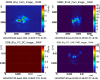
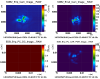
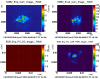
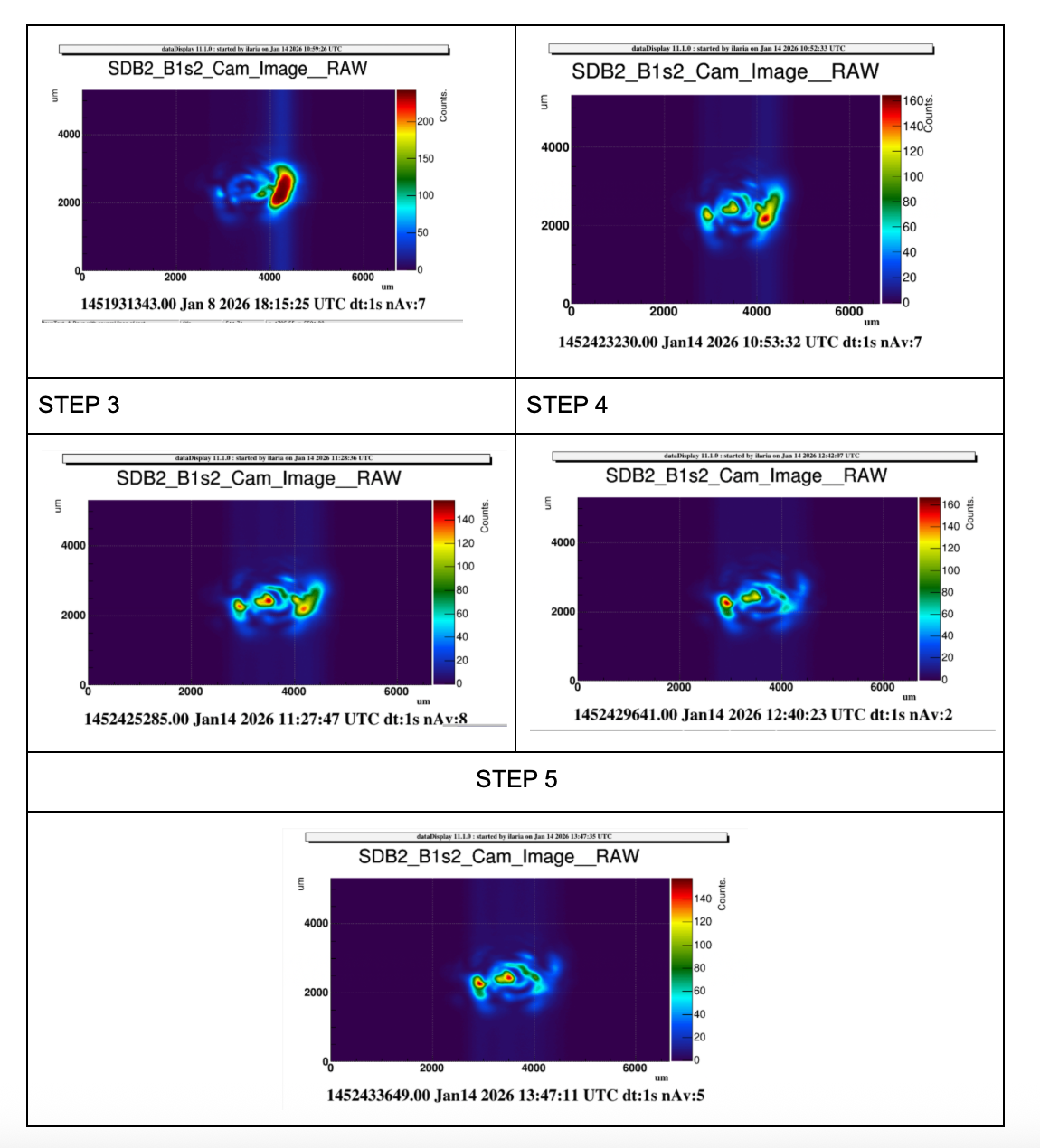
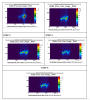
The bump in the right part of the camera of B1s is still present but it was less brighter (see figure 1- STEP 2). Thus, we  performed a new step in the same direction .

STEP 3: 11:01 UTC, we completed a movement 0.25 cm forward (1389 steps).

STEP 4: 11:31 UTC, we completed another movement 0.25 cm forward (1389 steps)

Looking at the B1s camera, we observed that the  spot moved to the left side of the camera (see figure 1- STEP 4). Therefore, we reversed the step by half to improve the left-right asimmetry .

STEP 5: 12:53 UTC, we completed another movement 0.125 cm backward (694 steps).

After these steps, the situation appeared to be worse with respect to STEP 4. Therefore, the last step (STEP 5) was completely reverted at 13:48 UTC.

Thus, overall, we moved the WI DAS by 1 cm with respect to the nominal position, in the right direction on the cardboard (and on the CP).
The ITF was then manually unlocked at 14:27 UTC to check the lock acquisition procedure.
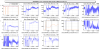
The main ITF signals during the shift are shown in fig. 2.
The ITF relocked in CARM NULL 1F at the first attempt at 15:43 UTC and in LN2 at 15.01 UTC.
Images attached to this report
Comments to this report:
mwas - 19:19 Thursday 15 January 2026 (68494) Print this report

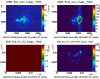
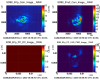
Looking at the times of the DAS translation I have the impression that the spot that appears on the left becomes also visible on B1p.
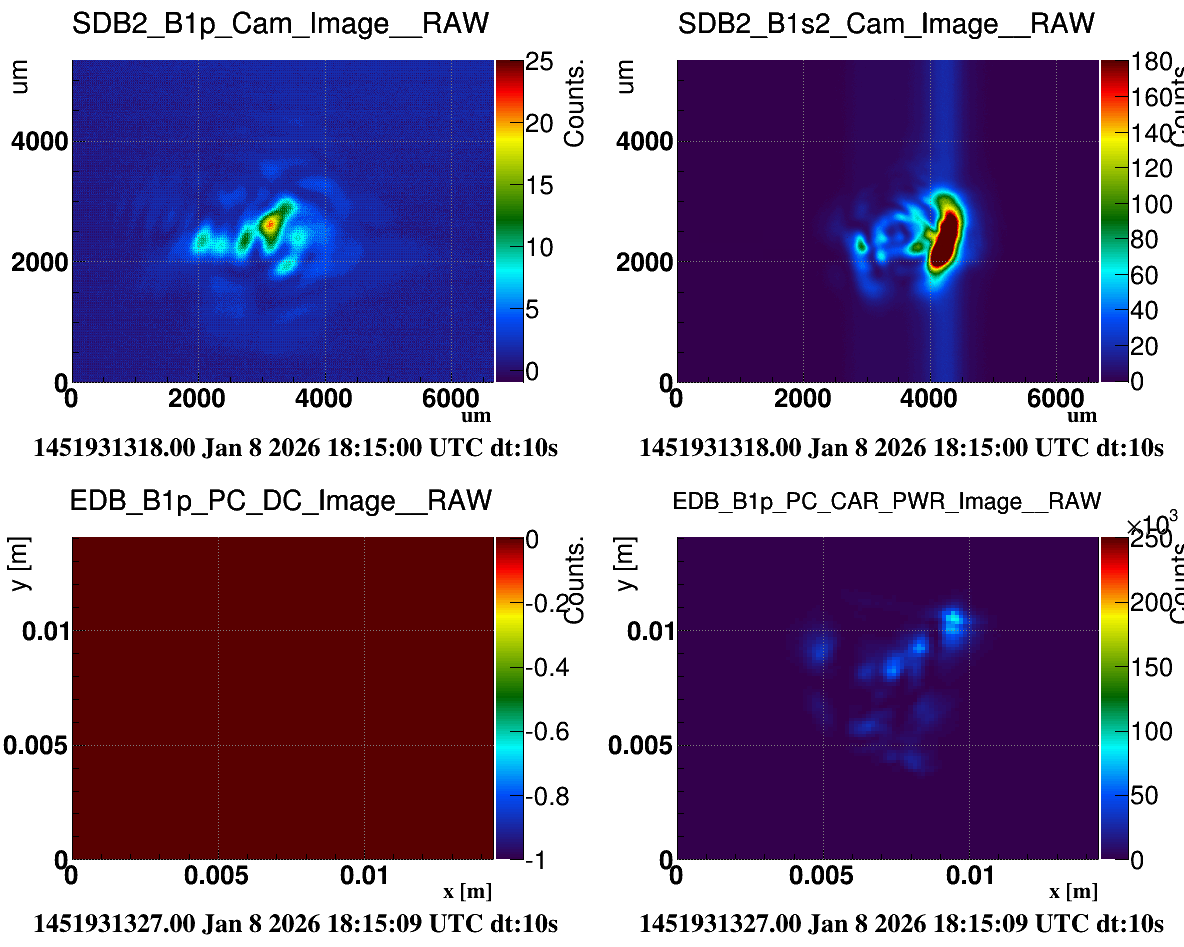
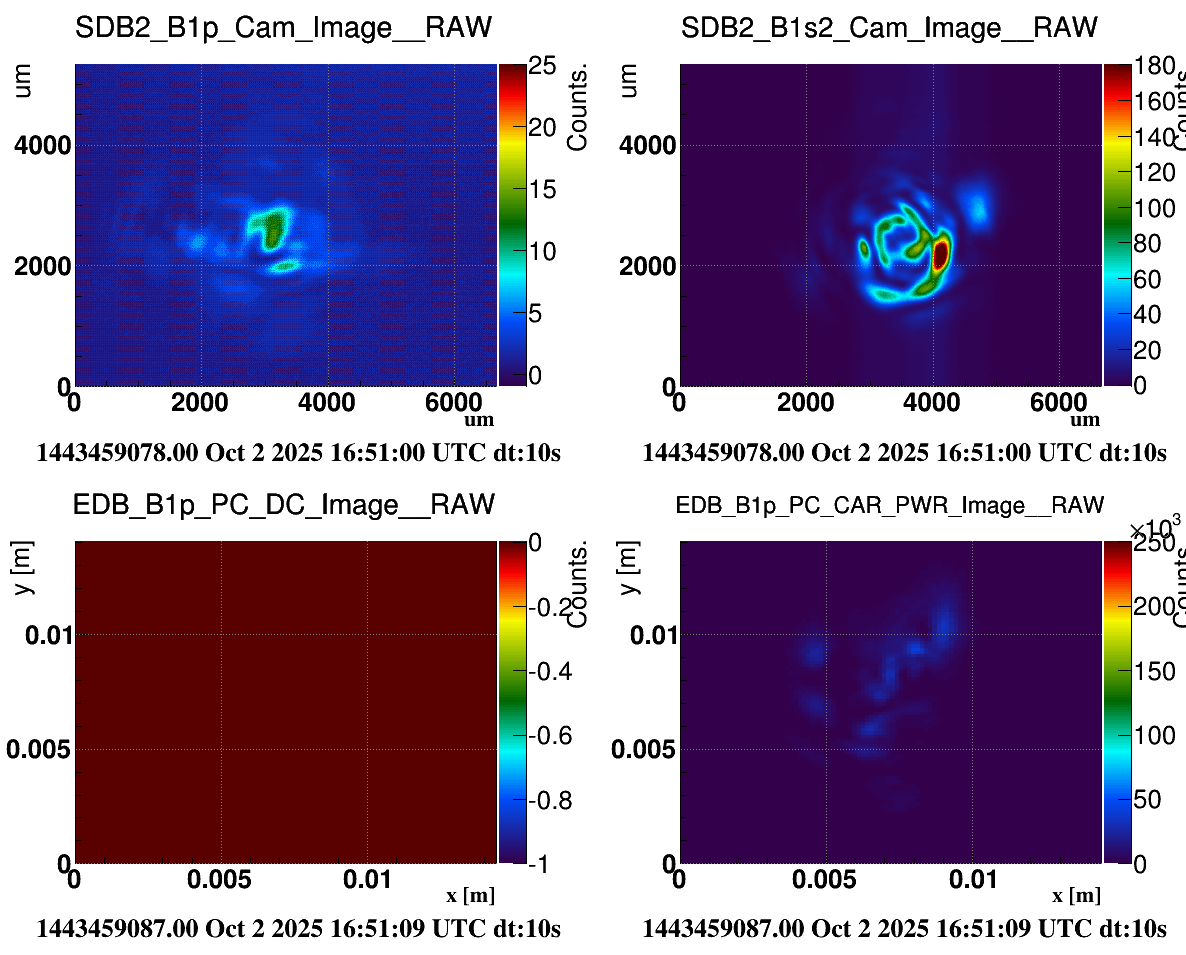
Figure 1 shows with red circle where the spot on the left appears in B1p when there is also a spot on the left on the B1s camera.

Figure 2 is the same without the circle for ease of comparison with the following figures

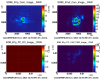
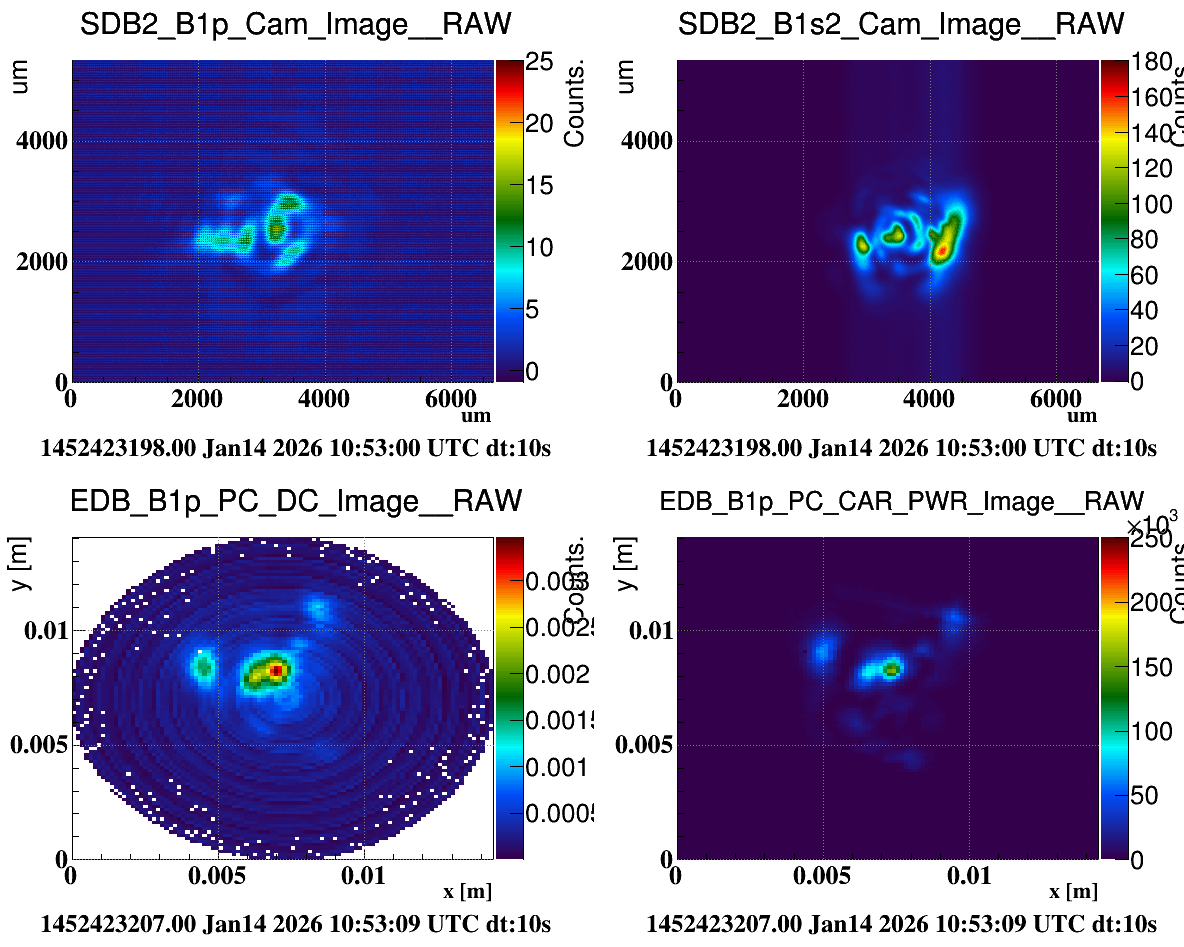
Figure 3 is before the tuning where the spot on B1s is on the right, and there is no spot on the left on B1p.

Figure 4 is halfway through the tuning, when the spot on B1s on the left and right become more comparable and there is a hint of an increase on B1p on the left.

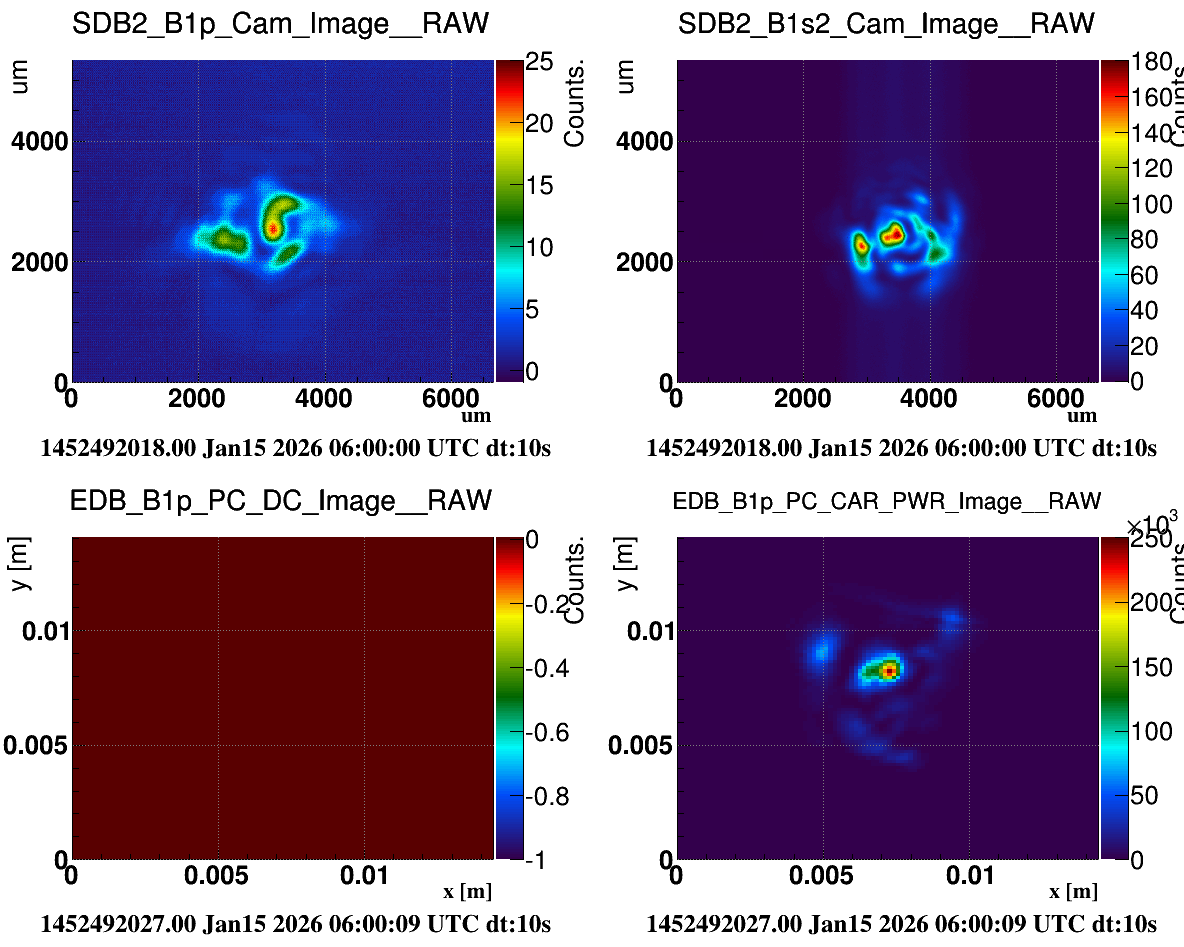
Figure 5 is this morning when again the spot was a bit brighter on the left of both B1s and B1p.

An interpreation of this is that the spot seen on B1s is real, but when it is on the right it is clipped before reaching the B1p camera which explains why it is only see on B1s.

A way of confirming it would be to test the DAS translation again, and move it so the spot on the left becomes very bright, and if it becomes bright on both B1s and B1p it would confirm it is real. One could also move the DAS up and down and check if spots appear below and above, but that may be less reliable as that may be clipped by the SR diaphragm

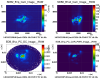
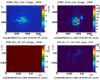
Figure 6 show the situation in LN2 from December, we actually already had a bright spot on the right, it was just not as bright. Comparing B1s to the other images, it looks like the top and bottom of the pattern is missing, which would makes sens as it would be clipped by the rectangular SR diaphragm. 

Figure 7 and 8 correspond to the time in LN2 in October when the OMC mode matching was mistuned on purpose. What is interesting there is that on B1s the pattern looks the same in both cases, but it is shrunk down a little when the OMC mode matching is mistuned, which makes sense as that changes the magnification of the telescope and where the beam waist is compared to the B1s camera.


Images attached to this comment
Search Help
×

Warning

Error

The present report has been modified outside this window. Please check for its integrity in the main page.

Refreshing this page will move this report into drafts.

×