Reports 1-1 of 1 Clear search Modify search
AdV-COM (1/√f noise)
mwas - 21:30 Saturday 17 January 2026 (68512) Print this report
DCP remains unstable in LN3 ALIGNED

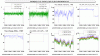
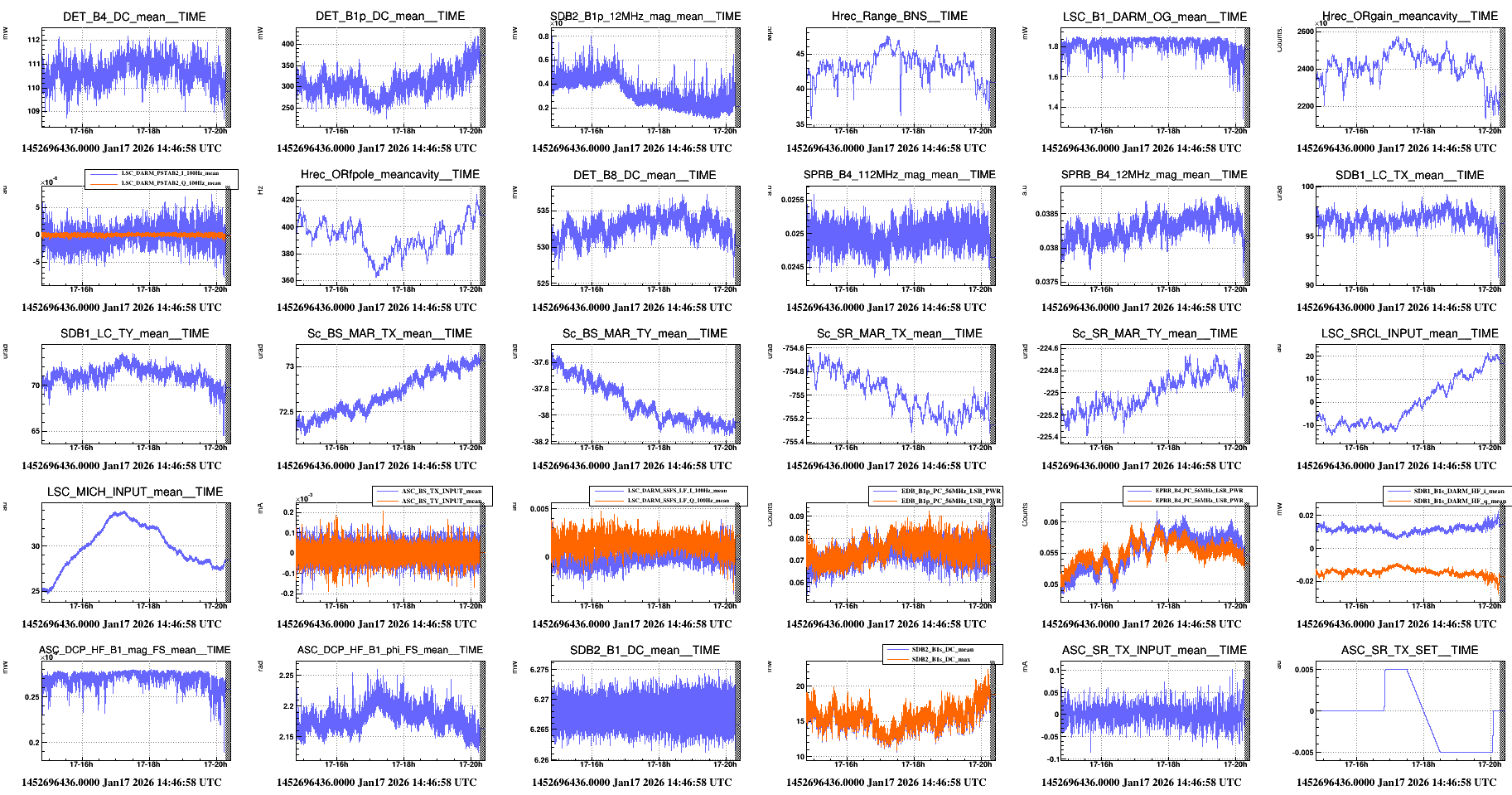
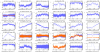
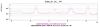
The DCP remains unstable in LN3_ALIGNED, fluctuating between 360Hz and 430Hz. Whenever the DCP is low the BNS range is higher.

To attempt to check that I have tried to put offset into the SR TX angular control as it was used during O4, but looking at the data it hasn't been effective at making significant SR misalignment, and the change remain dominated by natural fluctuations.

16.49 UTC put SR TX offset 0.005
17:30 UTC put SR TX offset -0.005 with 1h ramp
20:03 UTC pur SR TX offset back to 0.0

This is different from LN2, where the DCP seems to be much more stable. It would be important to check what is changing in terms of control between LN2 and LN3_ALIGNED to cause the difference. The things that come to mind is SR alignment, but I haven't been able to spot a difference in the SR angular configuration between the two state neither in terms of gain, nor in terms of modulation amplitude of the dither lines. The other degree of freedom that could play a role is the SRC length detuning, but that would require a large detuning to start affecting the DCP measurement.
Images attached to this report
Comments to this report:
mwas - 8:41 Monday 19 January 2026 (68514) Print this report

Looking systematically at what is done to acquire LN3_ALIGNED there are these differences which could be relevant:

sr_tx_gain at 10 in LN3 and at 2 in LN2

darm_line_ampl_science used in LN3, which is a factor 2 lower than darm_line_ampl in LN2

SDB1 drift control gain increased by factor 4

os_gain_science = 0.5, reducing the gain of the SRCL_SET_INPUT by a factor 2

I am not sure what this does:
cm_send('ASC_Acl','AcConstChSet', 'SR_TY_ENBL', 0.0, 0.0, 'load')
and then 
ASC.SR_TY_ENBL = 1.0
 

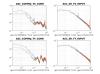
Figure 1. Looking at the spectrum of B1, the line at 4.3Hz (SDB1 TX dither) and 5.1Hz (SR TX dither) appear much higher in the B1 spectrum in LN3_ALIGNED (blue, red) than in LN2 (purple), which would point towards an issue in TX. Could it be that the SR TX gain is too high, now that SR is no longer misaligned in TY?


Images attached to this comment
mantovani, bersanetti - 15:24 Monday 19 January 2026 (68513) Print this report

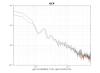
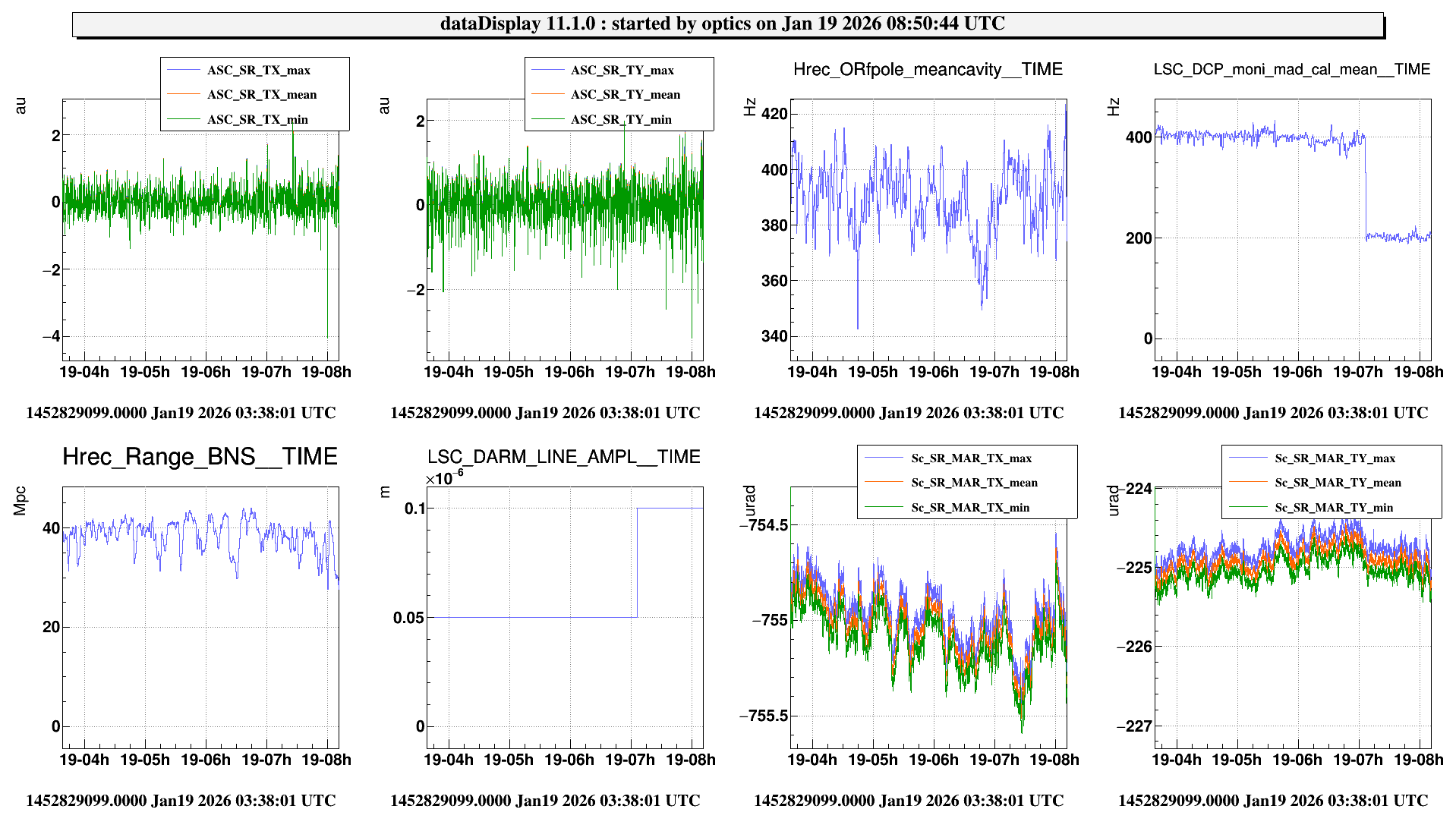
The difference is the amplitude of the DARM line. I've tried to put back to 1e-7, see figure 1.

I've put in the automation 1e-7 to try (recalibrating the OS and DCP)

These changes have been reverted to do it in a proper shift

Images attached to this comment
ruggi - 14:22 Tuesday 20 January 2026 (68528) Print this report

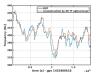
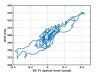
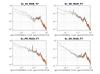
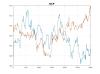
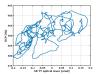
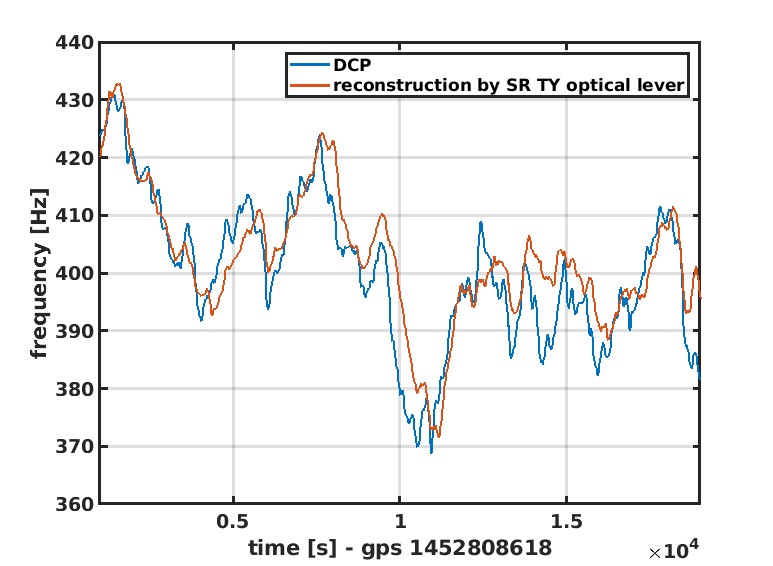
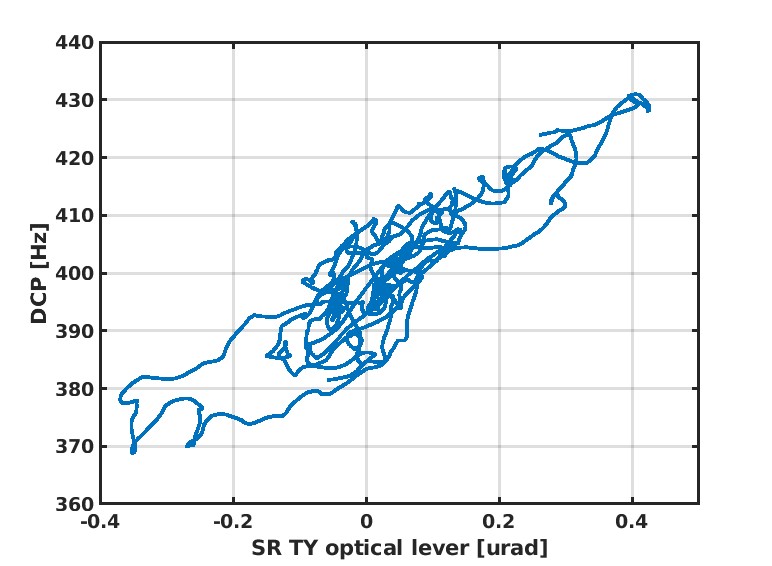
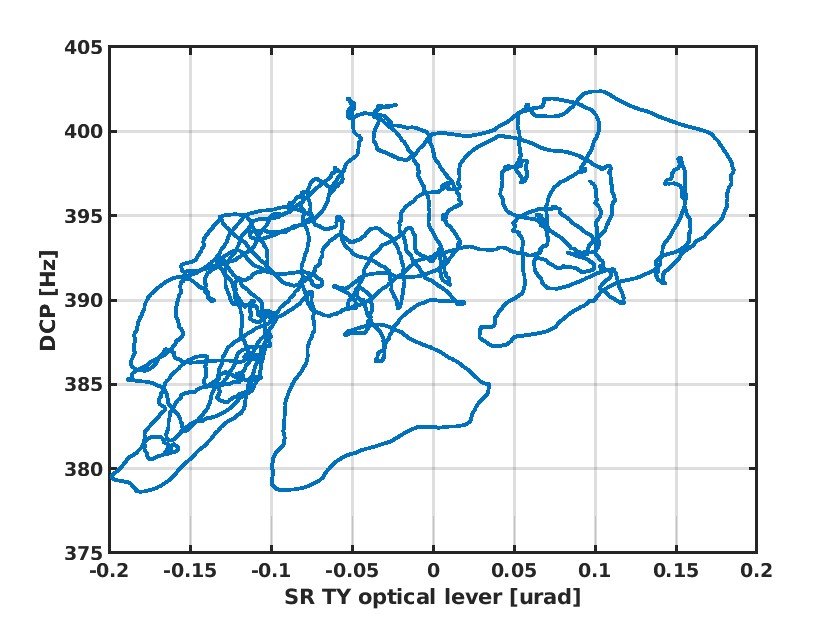
The oscillation of DCP is well explained by an alignment fluctuation of SR in TY, at least in five hours of data collected Sunday night. As we can see in fig 1, the DCP can be reconstructed rescaling SR TY as it is seen by the optical lever (out of loop at low frequency). Fig 2 gives the same information, quantifying also that the working point defined by SR TY AA error signal has an averaged offset of about 0.4 urad. One can also extract the information that the accuracy of SR TY alignement should be about +- 0.1 urad around the optimal point, in order to have a stable DCP above 420 Hz. Currently, the fluctuation is a bit larger and it is likely limited by the noise of AA error signal.

Images attached to this comment
ruggi, spinicelli, pinto - 22:20 Tuesday 20 January 2026 (68532) Print this report

We explored in LN3_ALIGNED a setpoint on the alignment of SR TY, both negative and positive direction. In order to have a better trend of the response of the DCP and other figures of merit, at the end of the shift (21.14 UTC) we put slow ramp of 2hrs with a final setpoint of +0.01.

We left the ITF with the ramp ongoing and for the night in LN3_ALIGNED.

We will monitor the data.

ruggi - 0:06 Wednesday 21 January 2026 (68534) Print this report

In order to do the same test in a faster way, I used for half an hour the local control and I explored some different SR TY position. The data will be analysed better tomorrow, but the first feeling is that this is not a way to increase the DCP. 

ruggi - 7:26 Wednesday 21 January 2026 (68536) Print this report

Onother difference between LN2 and LN3 that can be reverted is the amplitude of the dither line used for arm alignment. If the alignment of SR cavity is a combination of SR and arm rotations, having more or less noise in the arm angular controls could make some difference. I did the change at 6:20 UTC.

mwas - 8:04 Wednesday 21 January 2026 (68535) Print this report

In order to check if the high gain of SDB1 drift control is a problem at 05:12 UTC I have reduced the gain by a factor 8 in TX and TY, putting it back to the value used in LN2.

Figure 1. The change has slightly reduce the motion of the SDB1 bench with regard to the ground as measured by the local controls, with less short larger deviations of +/-2 urad compared to the mean value, but otherwise it had no visible effect. 

Images attached to this comment
ruggi - 10:40 Wednesday 21 January 2026 (68539) Print this report

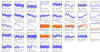
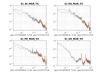
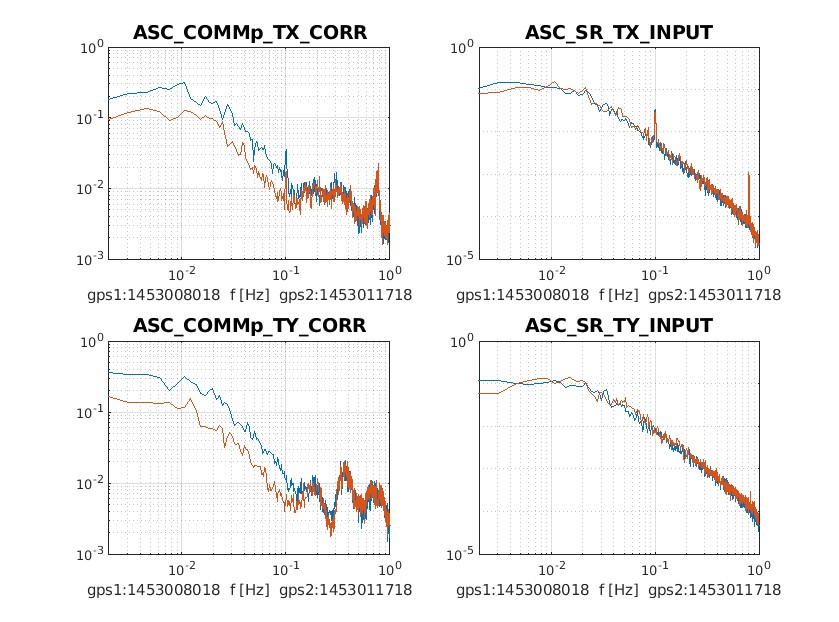
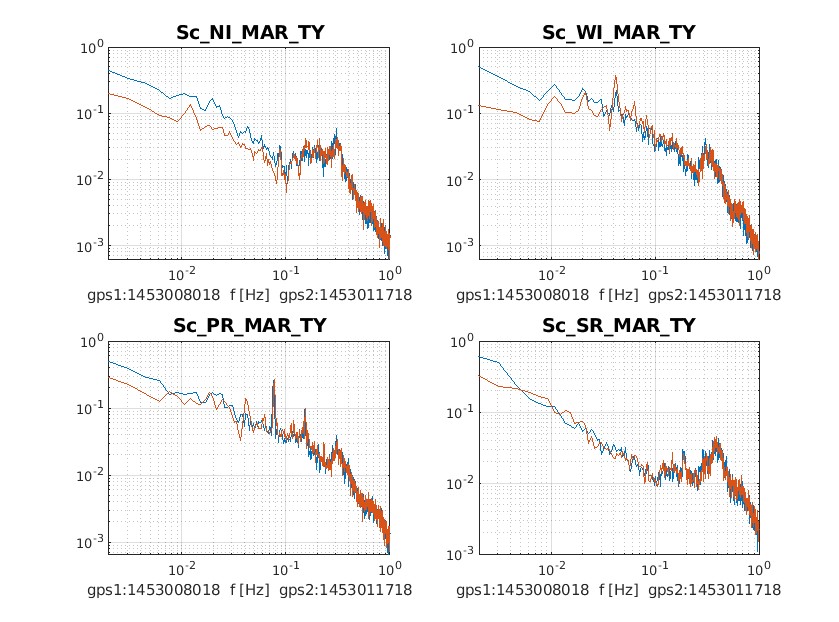
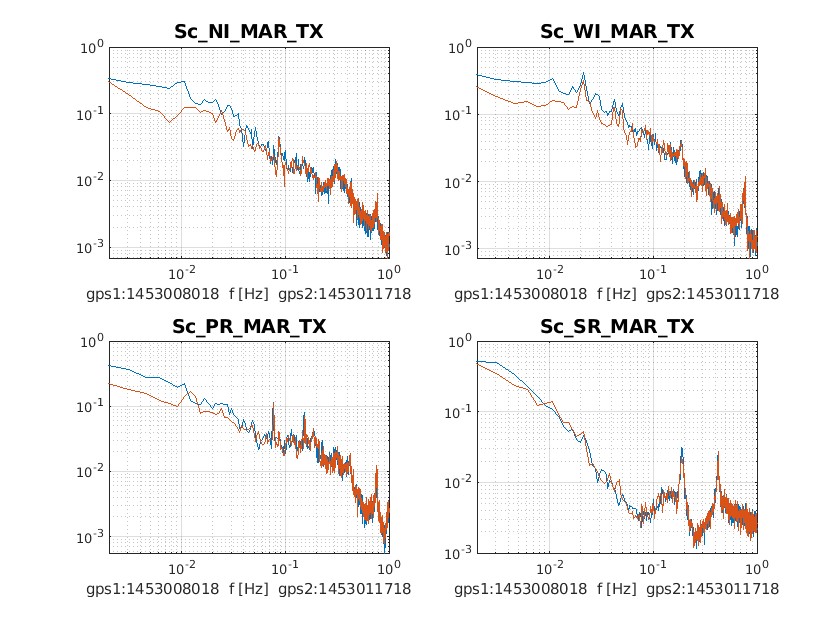
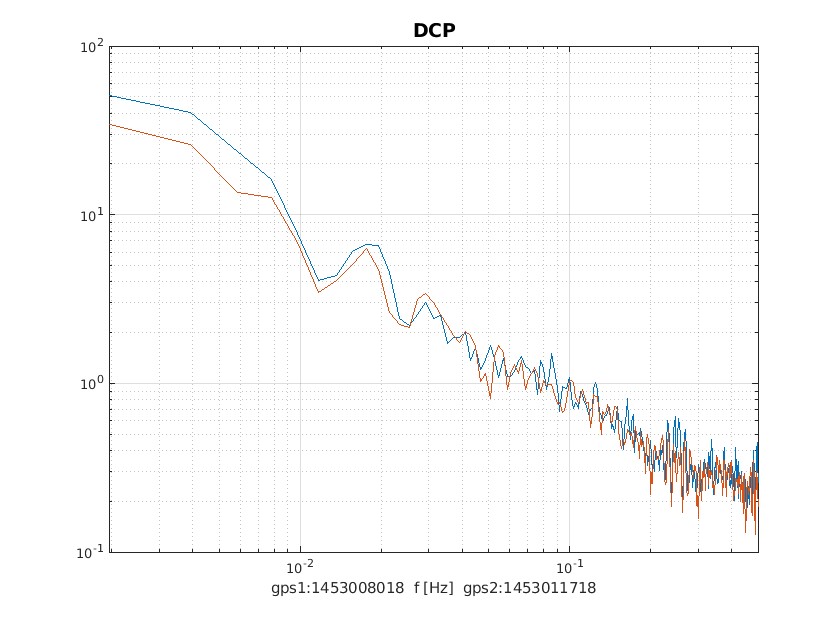
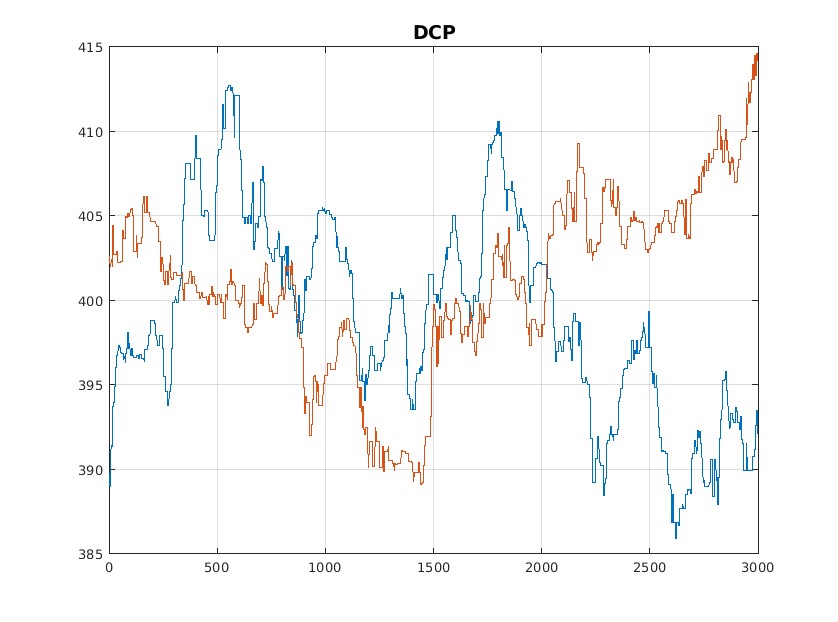
The reduction of noise from the dither lines improved as expected the accuracy of many in-loop and out-of-loop alignment signals (fig 1, 2 , 3). The impact on SR signals is smaller than the others, likely because the noise of its own AA signal is larger. Looking at DCP (fig 4, 5), no interesting change is visible. Maybe there is a certain reduction of oscillation in the time scale of 200 s, but there are still slower fluctuations as large as before.

Some correlation between DCP and SR TY local signal is stil present along the data of the night, but less evident than in the data shown previously. We have also to notice that the span of SR TY has been +- 0.2 urad, instead of +- 0.4 urad of the previous data.

Images attached to this comment
bersanetti - 19:32 Wednesday 21 January 2026 (68542) Print this report

Today I changed, for LOW_NOISE_3_ALIGNED, the amplitude of the arms dithering lines and the darm LF line (74.4 Hz) at the same level as in LOW_NOISE_2. The OS/DCP calibrations and OS gain have been changed accordingly. To be tested later once we move forward from LOW_NOISE_2.

Search Help
×

Warning

Error

The present report has been modified outside this window. Please check for its integrity in the main page.

Refreshing this page will move this report into drafts.

×