Most of the work of today was devoted to the continuation of the recovery, that ended up previously in DC readout, systematically unlocking afterwards when trying to go to LOW_NOISE_2 (I remind that, mirror actuators-wise, we skip altogether LowNoise1 and move directly from HighPower to LowNoise2).
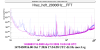
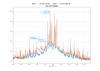
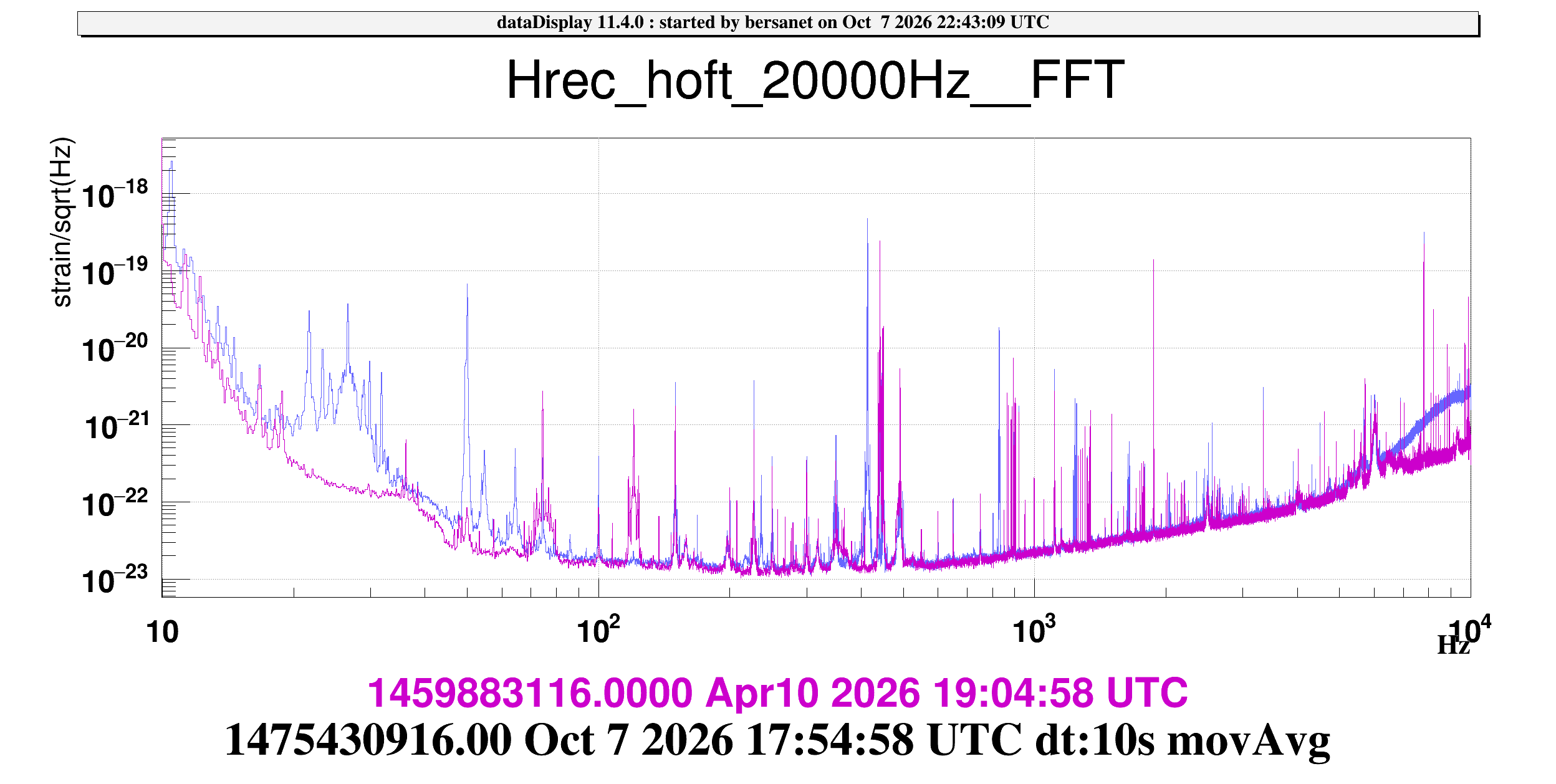
It was found that a DC correction of several Volts was left on the NE actuator, most probably during the mode matching measurements. After removing that, we could go flawlessly to LOW_NOISE_2, getting in this way the sensitivity curve back; in Figure 1 the comparison with the very last we had briefly on 10 April.
We initially had around 27 Mpc, slowly rising up to 30 Mpc in the second lock of the afternoon. It is not that bad, considering that: in LOW_NOISE_2 a lot of lines are up and high, we have no subtractions working on DARM, SR is aligned and we have no diaphragm installed on the SRM, new IMs, a new optical configuration and no calibration measurements yet.
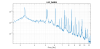
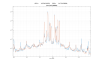
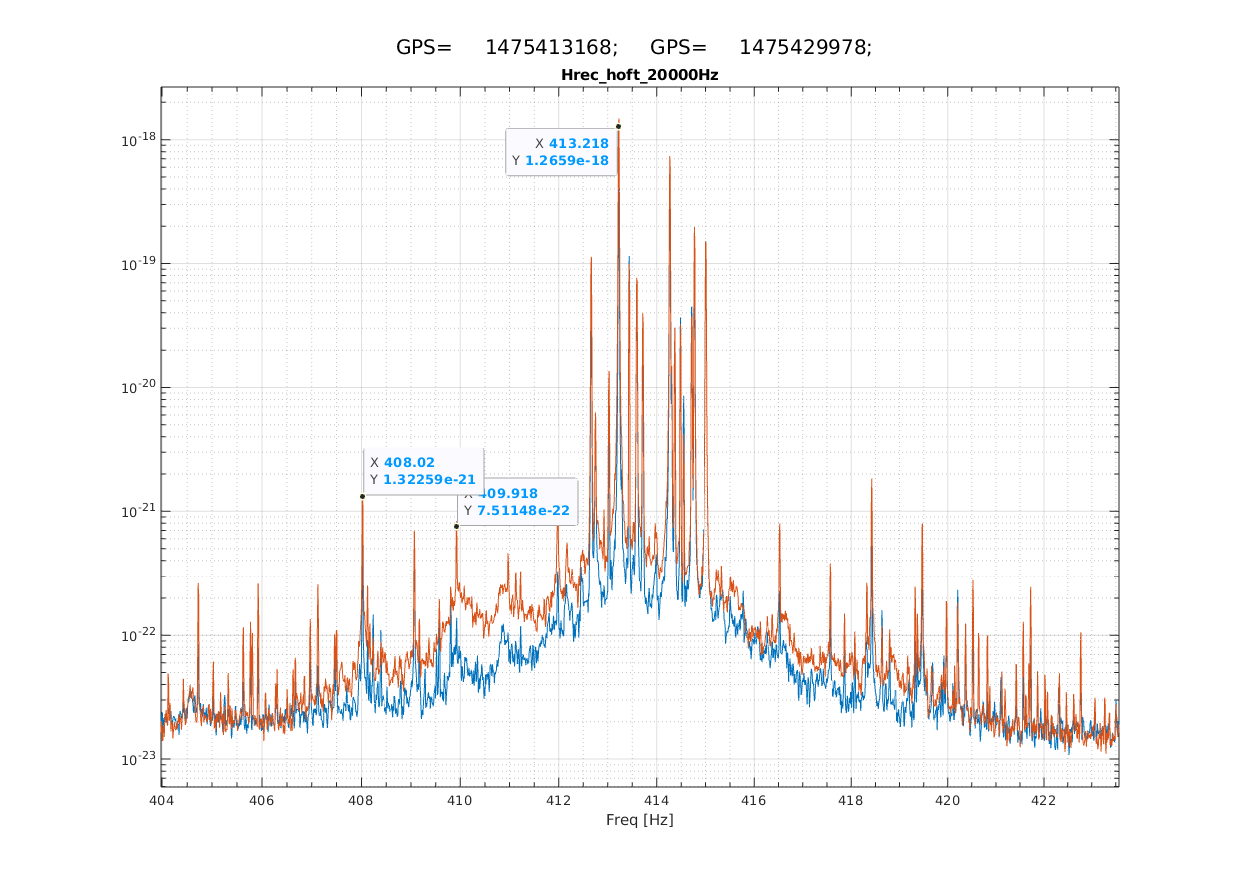
While staying in LOW_NOISE_2, we immediately noticed a new comb of peaks around 413 Hz, whose amplitude started to grow over time. By looking into it with some more resolution, we observed eight main peaks, with minor ones around them. Our conclusion is that these are the violin modes of the new IMs, which are considerably lower than the ones we were used to have (~ 440 Hz).
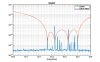
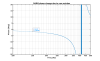
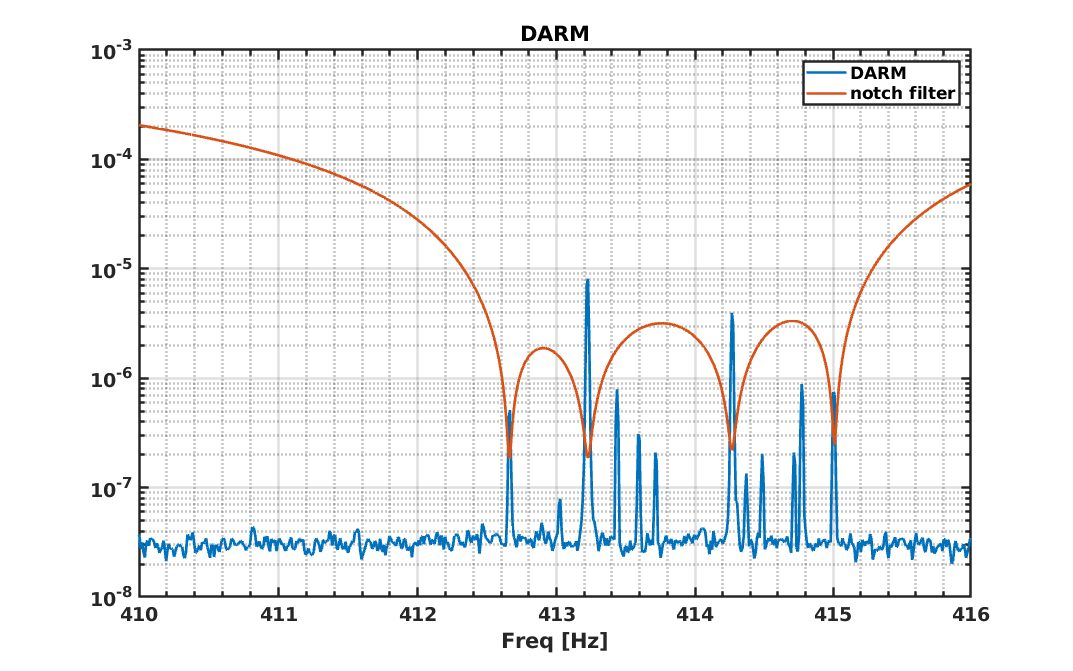
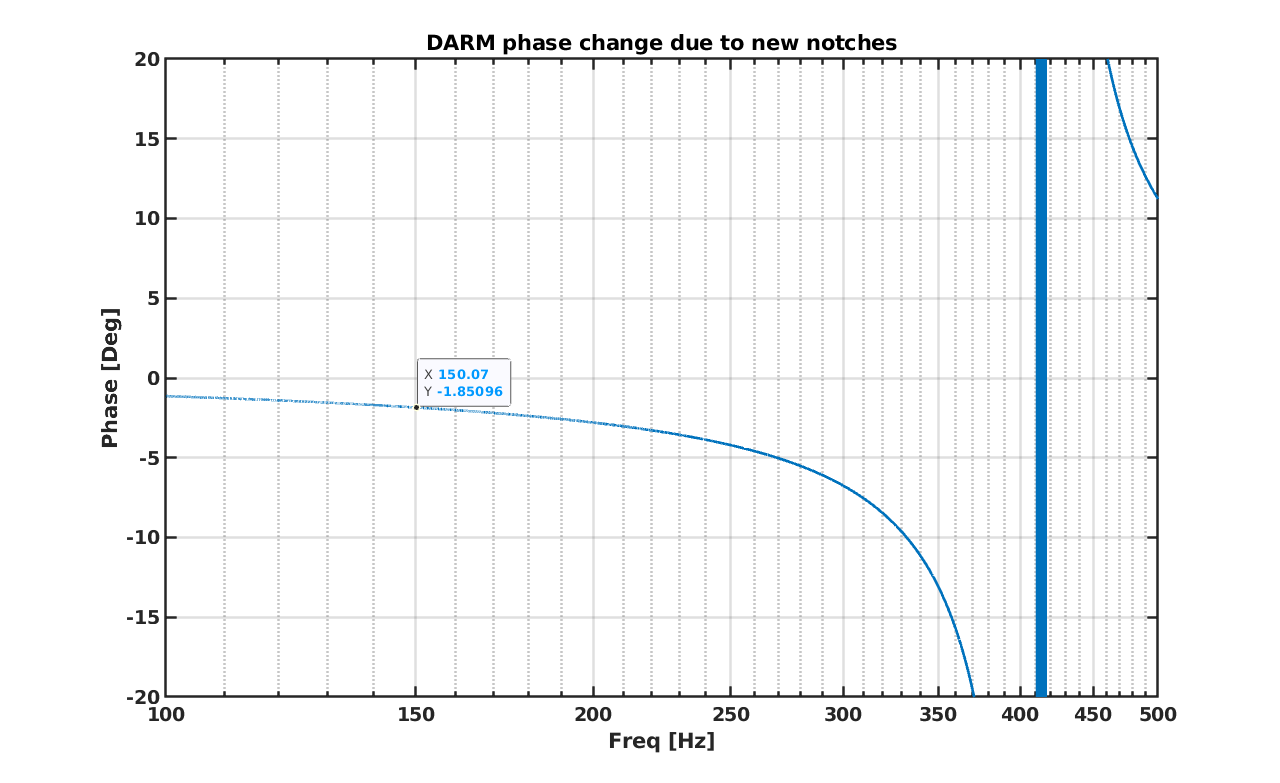
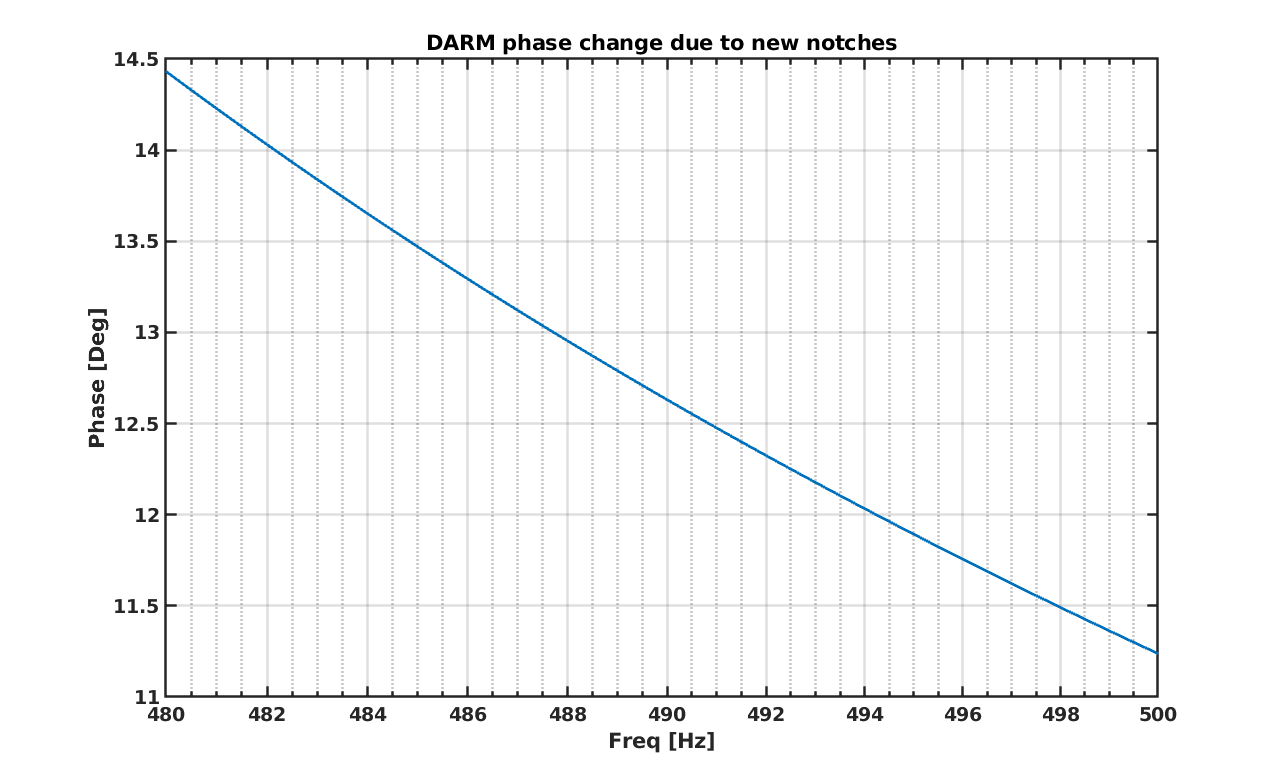
Given that we could not adjust the current notches to cover the whole band, we started the development of a new notch filter, to be used in parallel to the old one, which now covers only the EMs; we tried to have a reasonable amount of depth in the transfer function, trying to find the best tradeoff in terms of modification of the DARM response that the new filter would induce. While the magnitude is not that big of a concern, the dephasing it induces could be instead: with the filter we left in operation (Figure 2), we had around 0.2 rad of dephasing at 491.3 Hz, which can possibly have an impact on everything that is computed with the DARM_HF line, namely: double-cavity pole estimator, SR alignment signals, optical gain estimator, OMC figures of merit, etc..
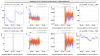
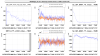
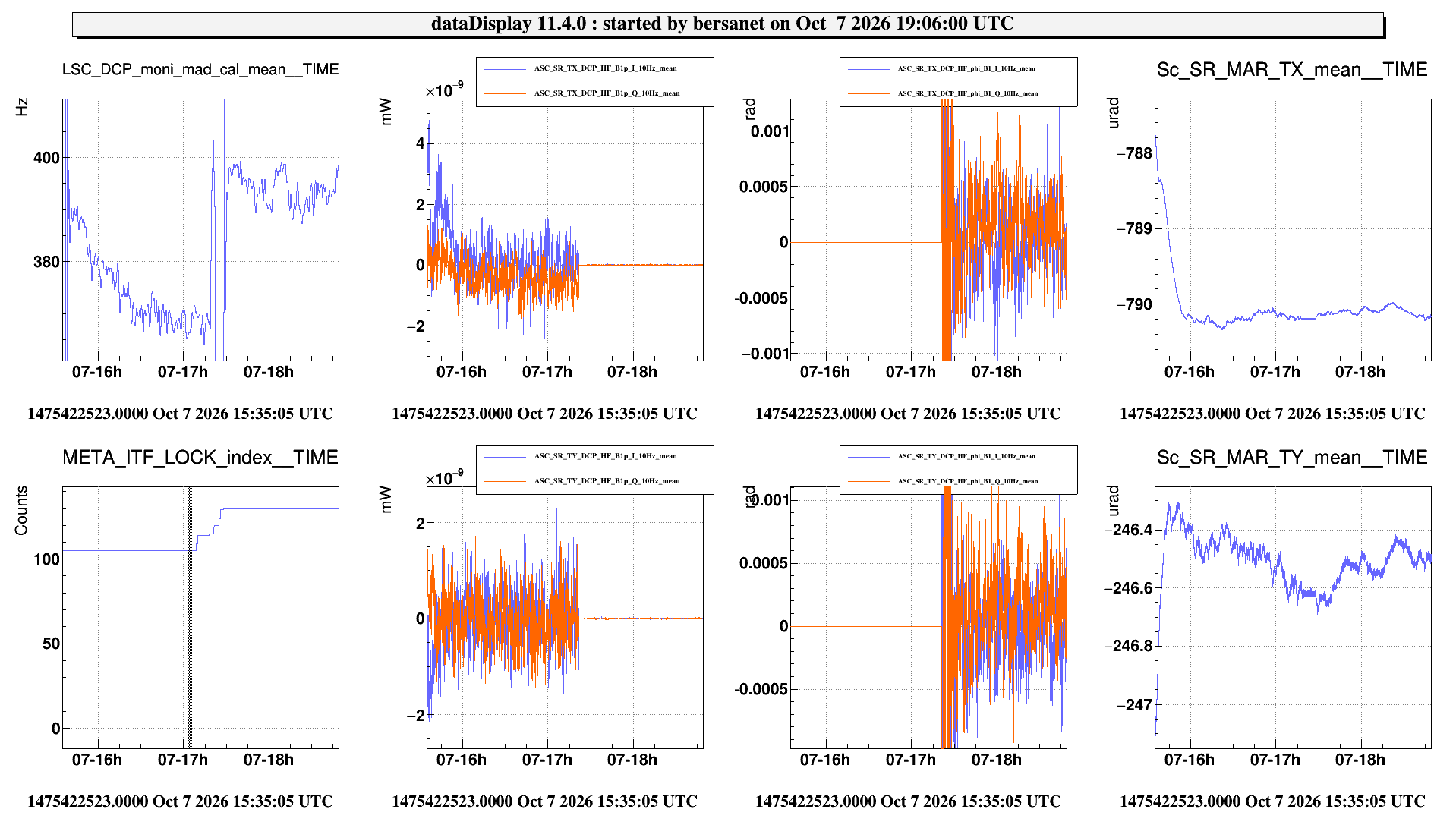
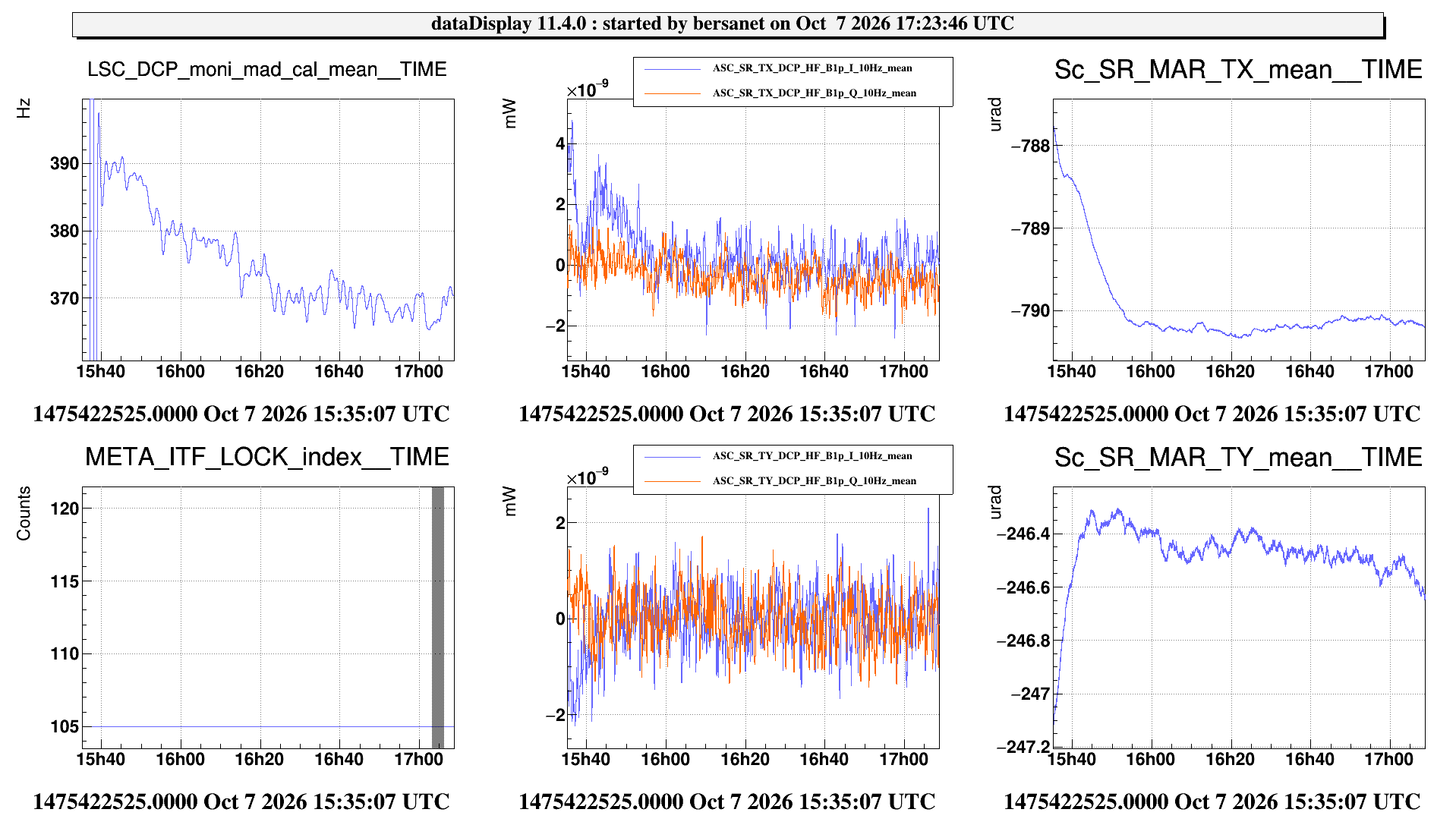
In particular we observed the SR alignment during the next lock, starting from CARM_NULL_1F and then LOW_NOISE_2 (Figure 3, zoom for just CARM_Null in Figure 4): the absolute starting value of the DCP looks a little lower, and the trend during the lock (when SR gets more aligned) shows a decrease of the pole frequency, which may be an hint that the error signals need to be checked.
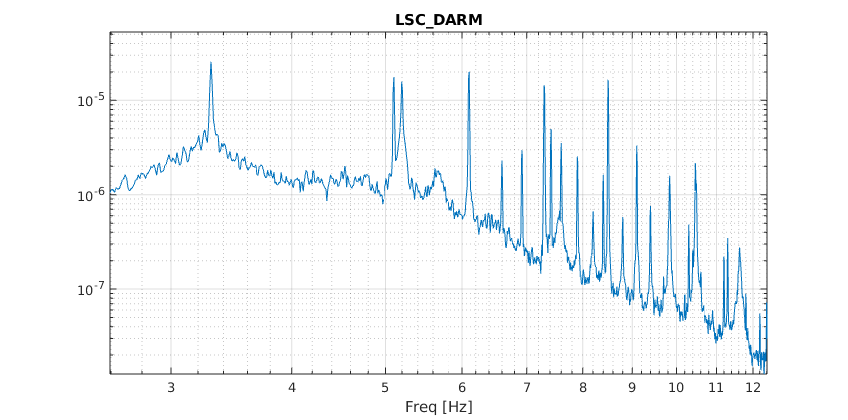
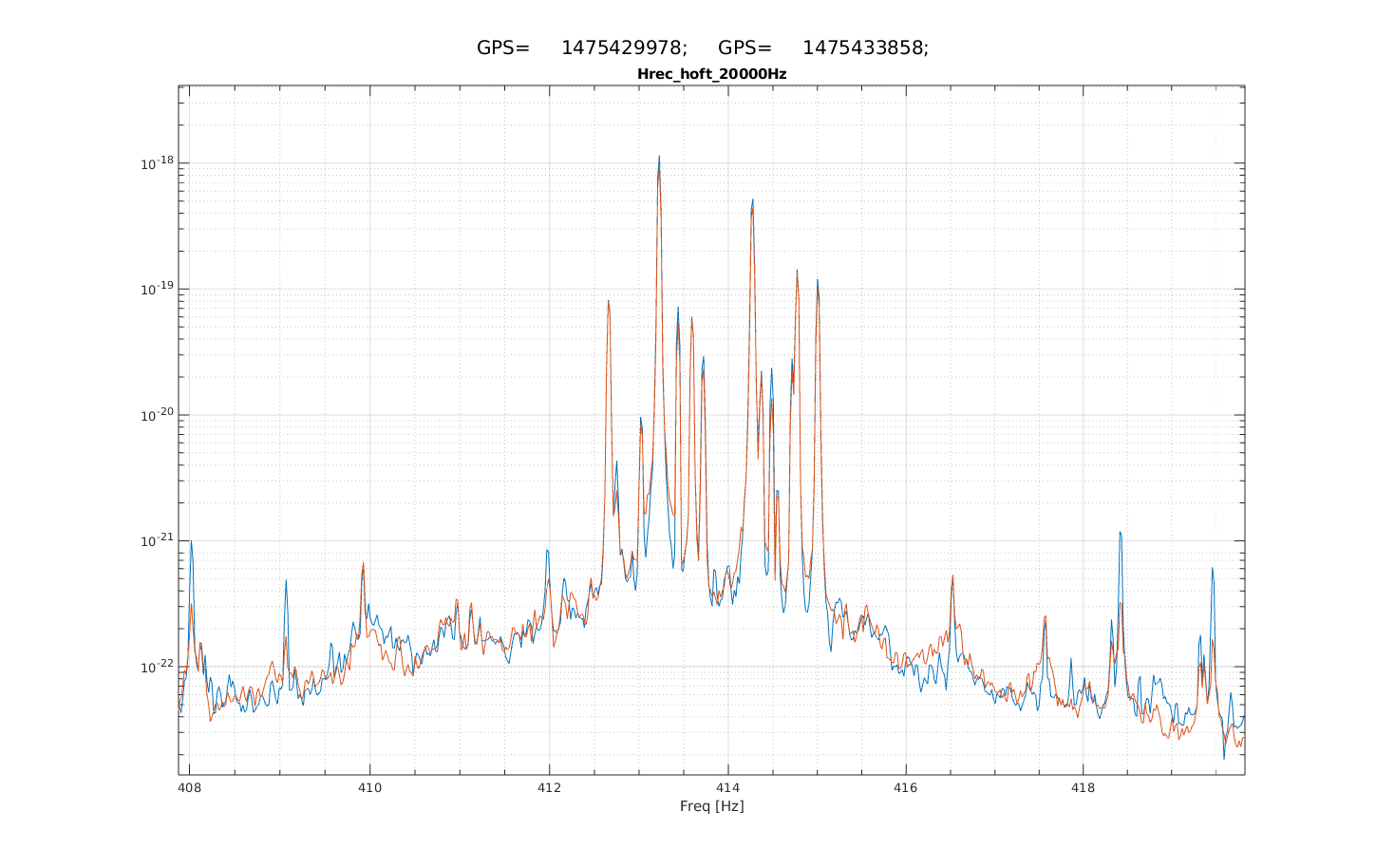
Afterwards, we could see new peaks around the ones we identified for the violin modes (Figure 5); some of them were spaced by peculiar amounts, like exactly 3.3 Hz, which is the frequency of the DIFFp TX line, which is clearly very strong in DARM (Figure 6). Maybe the fact that we are working decentered increases the coupling, to be verified. In the last lock we reduced such line (and the TY one) by a factor of 2, improving the situation (Figure 7). More work is needed on this topic.
Other topics:
- in the first lock in LOW_NOISE_2, we engaged the BS alignment loops in full bandwidth, with the old B1p-based strategy; while TY could be closed with no issues, closing the TX loop caused the infamous 1.2 Hz oscillation to show up and eventually kill the lock;
- the OMC lock showed some difficulty (entry 69871), as the threshold to correctly find the good mode to lock onto was not crossed, either because the DARM offset was too low or the DARM_HF line was too low; being the latter more unlikely, given the amplitude of the line, the working theory is that the DARM offset on the RF signal is smaller than in the past in terms of meters; we then modified the lock acquisition, in order to use a higher offset at the beginning (-0.26 online, -0.3 set up for the next trials, instead of the usual -0.2), then allow the OMC to lock, then go back to the usual offset before the DARM handoff to B1_PD3, so not to modify the DC readout acquisition at all; we tried it once and it worked as expected, and this is now automated.