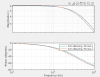
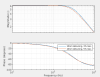
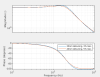
Today we aimed to inject again squeezing in the interferometer, while working in the SRC-detuned configuration.
At first we tested the lock acquisition with the SRC already detuned from the beginning: usually we get to CARM Null with a non-zero optical spring, then the SRCL_SET servo brings it and keeps it to a setpoint, which is 0.5 (roughly in Hz). Today we immediately put a setpoint of 10, meaning that the servo's job was to just keep the optical spring in place.
This happened at 12h53m34 UTC, then we unlocked at 13h07m54 UTC as we were testing this in anticipation during other activities.
We repeated the procedure with the lock in CARM Null starting at 14h11m23 UTC, with the servo setpoint at 10 starting at 14h12m48 UTC.
Later, while still in CARM Null, we made a noise injection on DARM (to be analyzed later) in order to understand the DARM plant and check the optical spring: DARM_noise shape, amplitude = 20, 180 seconds starting from 14h39m00 UTC.
Then we continued the lock acquisition while keeping the detuned configuration, and that worked with no issues.
We reached LOW_NOISE_3_ALIGNED at 14h59m44 UTC. At 15h04m05 UTC we lowered the SRCL_SET setpoint down from 10 to 9.
Then we made another noise injection on DARM with the same parameters of the standard injection for Science mode: DARM noise shape, amplitude = 0.2, 180 seconds starting from 15h11m30 UTC.
At around ~15:20 UTC we started the squeezing injection using the SQZ_MAIN Metatron node, going to the SQZ_INJECTED_NO_FC state.
At 15:35 UTC we changed the squeezing phase from 3.8 to 4.1;. 4.1 was the value used yesterday.
At 15:37 UTC we changed the squeezing phase to 1.1
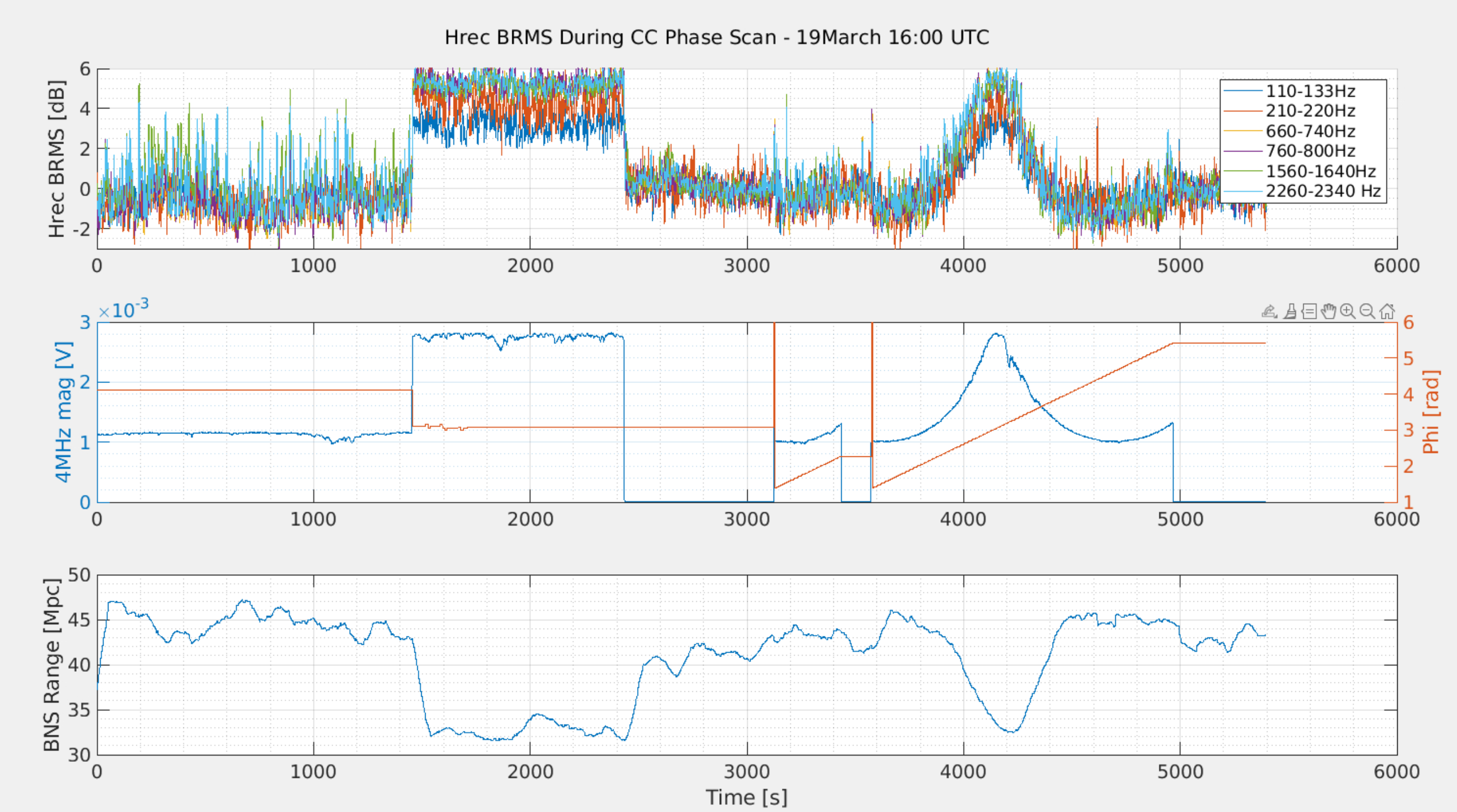
At 15:40 UTC we started a 1000s long scan over -7 radians of the squeezing phase, with a manual ramp. We then understood that the automatic alignment is not supposed to be enabled all the time, but only when anti-squeezing is injected.
At 15:56 UTC we set the phase to 3.1 rad for anti-squeezing, and we let the automatic alignment run for 10 minutes.
We went back to the SQZ_LOCKED_NO_FC state and run the /virgoDev/AEI_SQZ/coh_scan.py script, to make the scan in the usual way. Initial GPS time: 1458058066.74 (16h07m28 UTC).
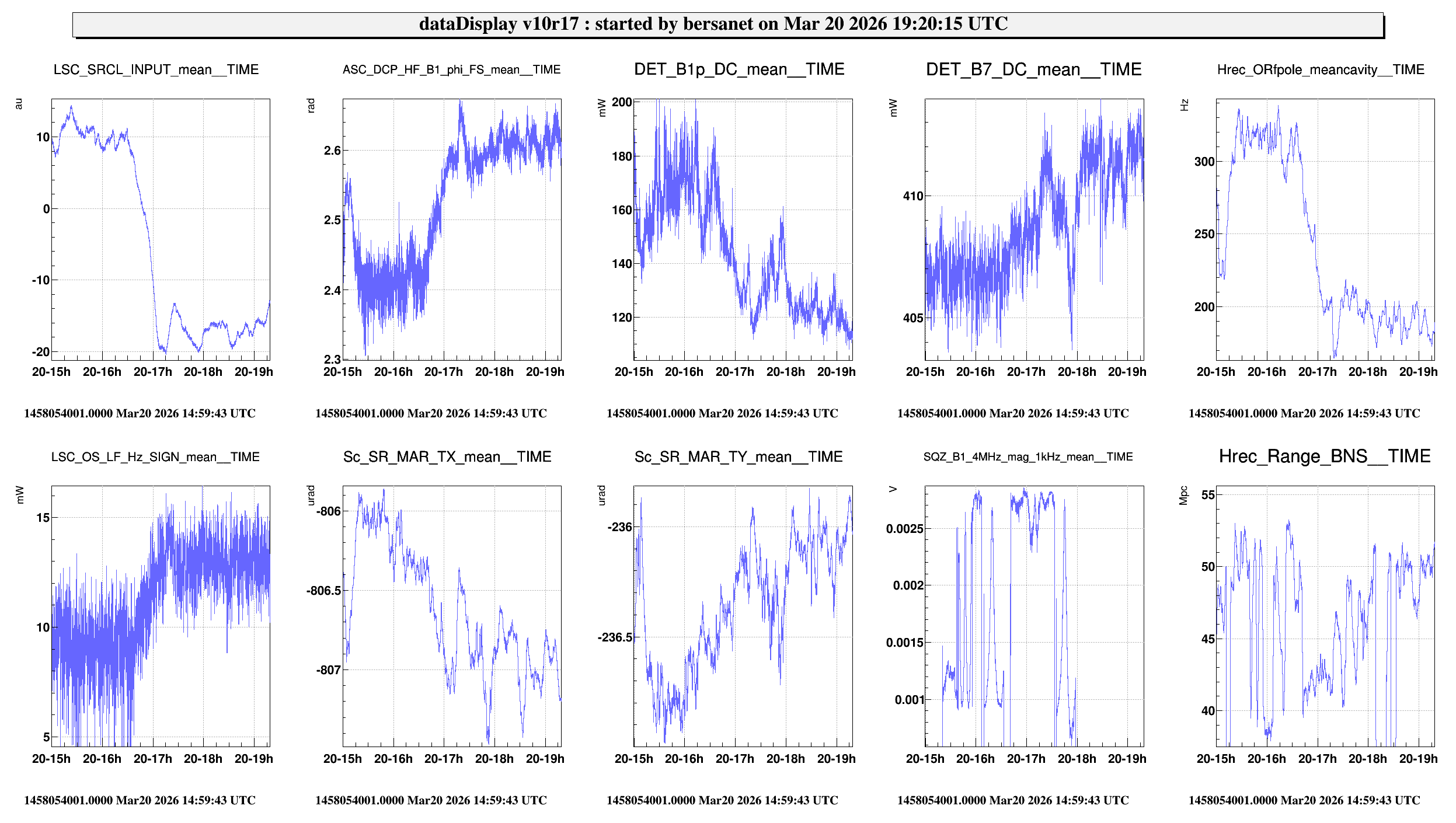
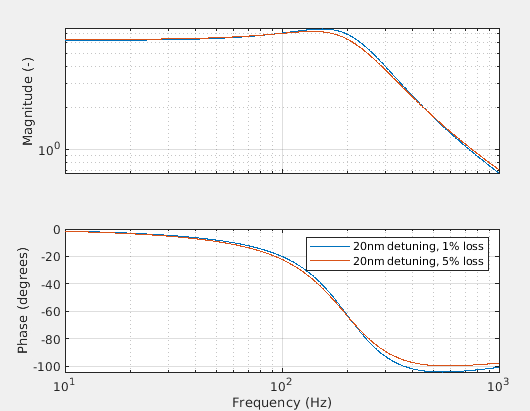
Then we increased the detuning of the SRC by progressively increasing the SRCL_SET setpoint, targeting a pole of ~200 Hz (read by Hrec) as yesterday:
- 16h37m35 UTC SRCL_SET_SET = 11;
- 16h50m34 UTC SRCL_SET_SET = 12;
- 16h56m11 UTC SRCL_SET_SET = 14;
- 17h06m20 UTC SRCL_SET_SET = 13.
The small rollback was due to the pole reading starting to drop to 170 Hz, so we got back to around 200 Hz.
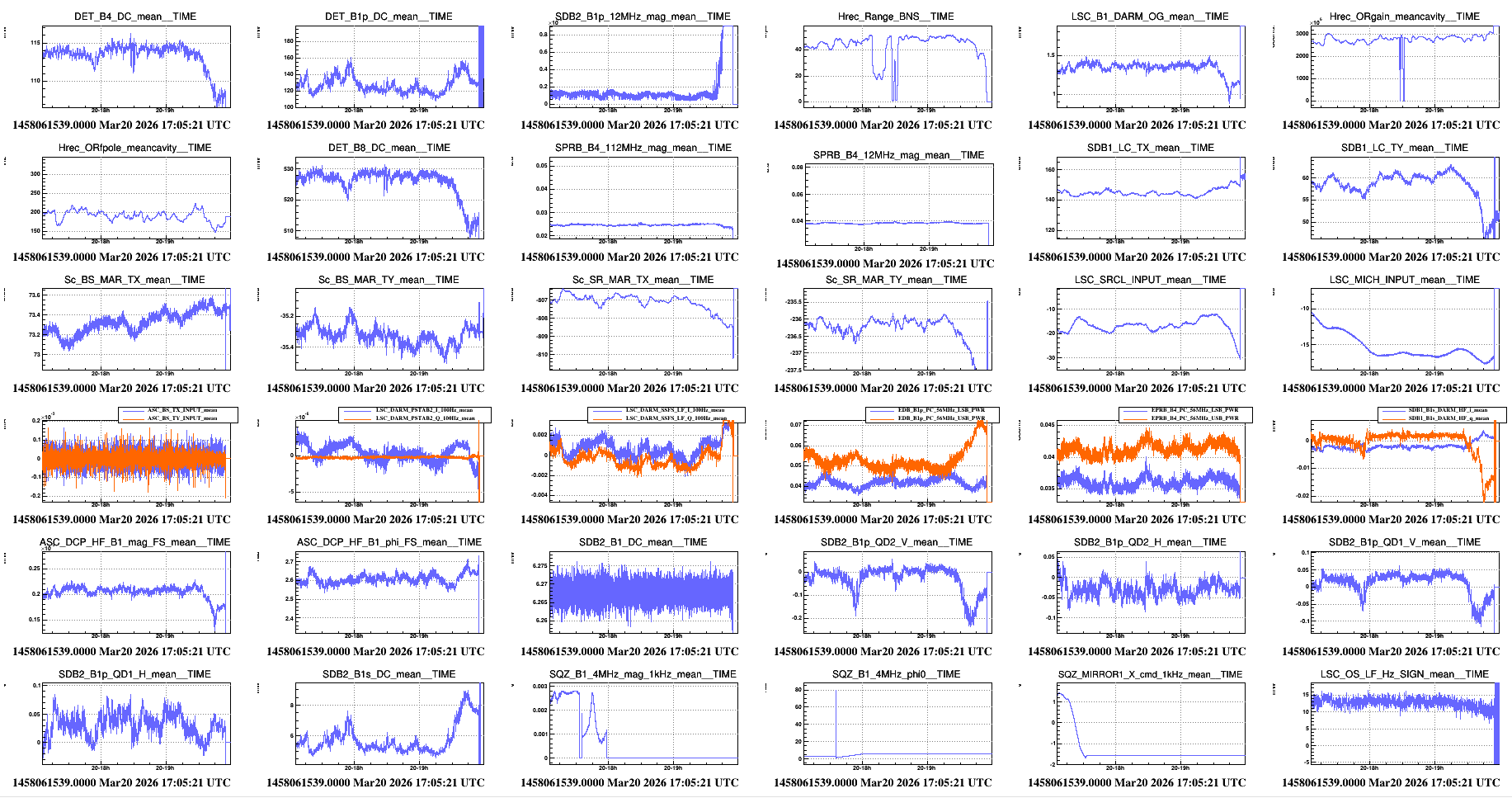
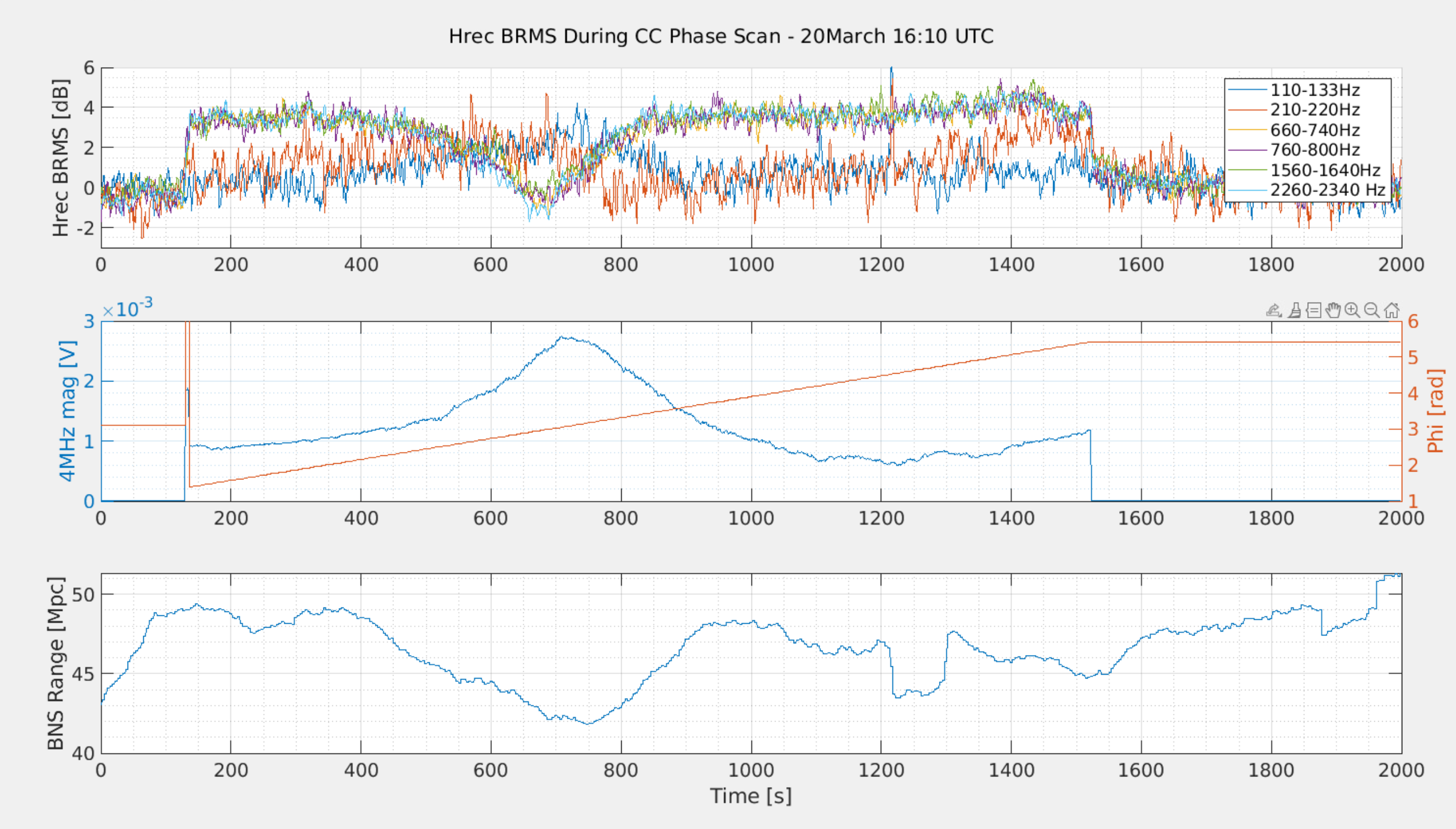
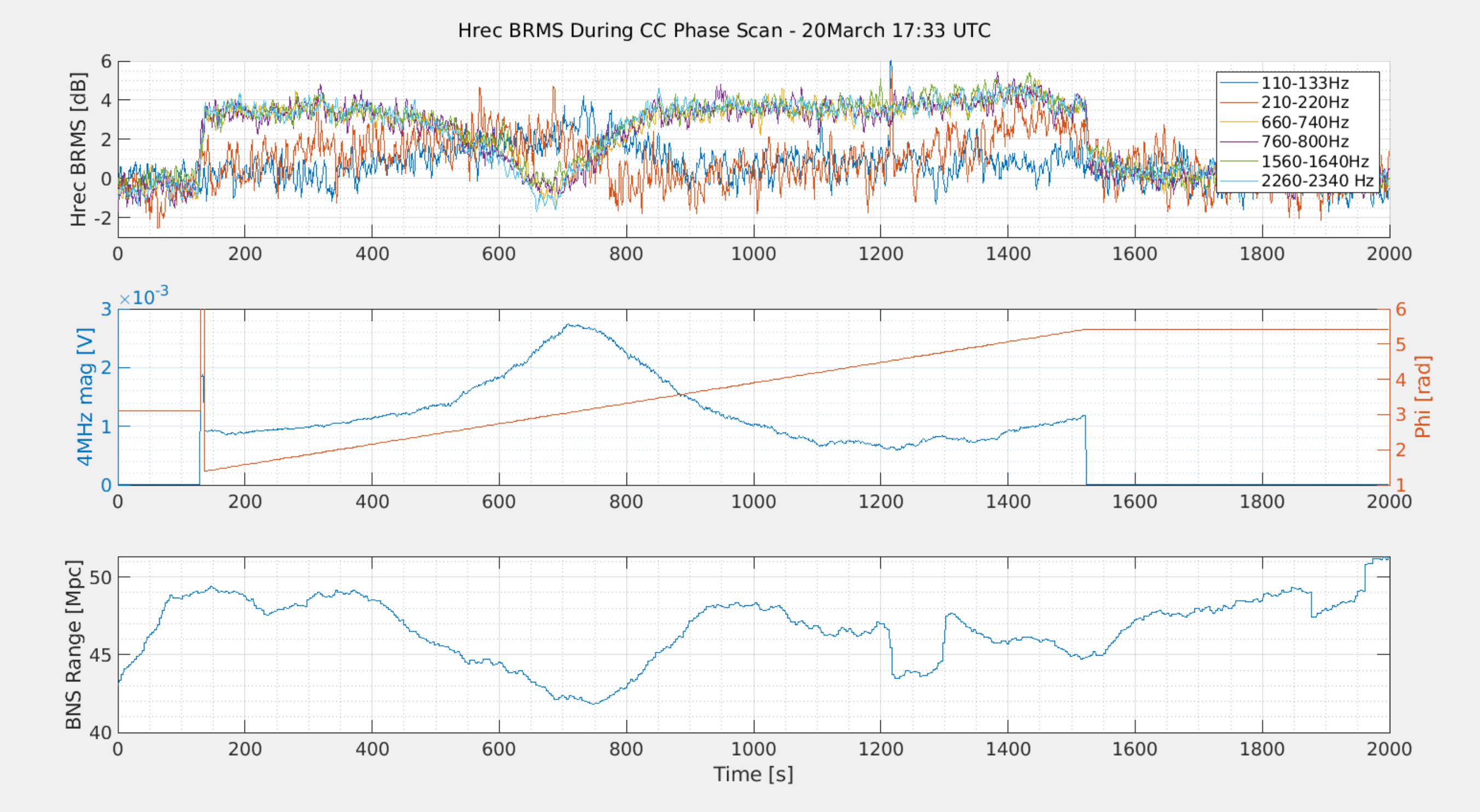
At 17h33m09 UTC we started another scan of the squeezing phase. Initial GPS time: 1458063207.03.
None of the two scans reached the same increase in sensitivity as yesterday's first one, but additionally the second one showed a lower effect overall. Additionally, something else was changing in the interferometer at the time, as the frequency noise and the PSTAB couplings we higher. More analysis on that will follow.
WIth the same conditions as the second scan, we performed a calibration measurement using the CALI node, state CALIBRATED_DF_DAILY; the procedure started at 18h08m11 UTC.
We decided to keep the detuned configuration for the current lock and for the weekend, using the loop and the automation: we set the SRCL_SET_SET to 10 in CARM Null (line 274 of ITF_LOCK.ini) and to 12 in LOW_NOISE_2 (line 522 of ITF_LOCK.ini), which are the only places where it is set in the automation. I added the reset to zero of the setpoint in the DOWN state of the DRMI_LOCK node.
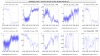
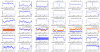
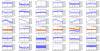
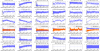
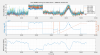
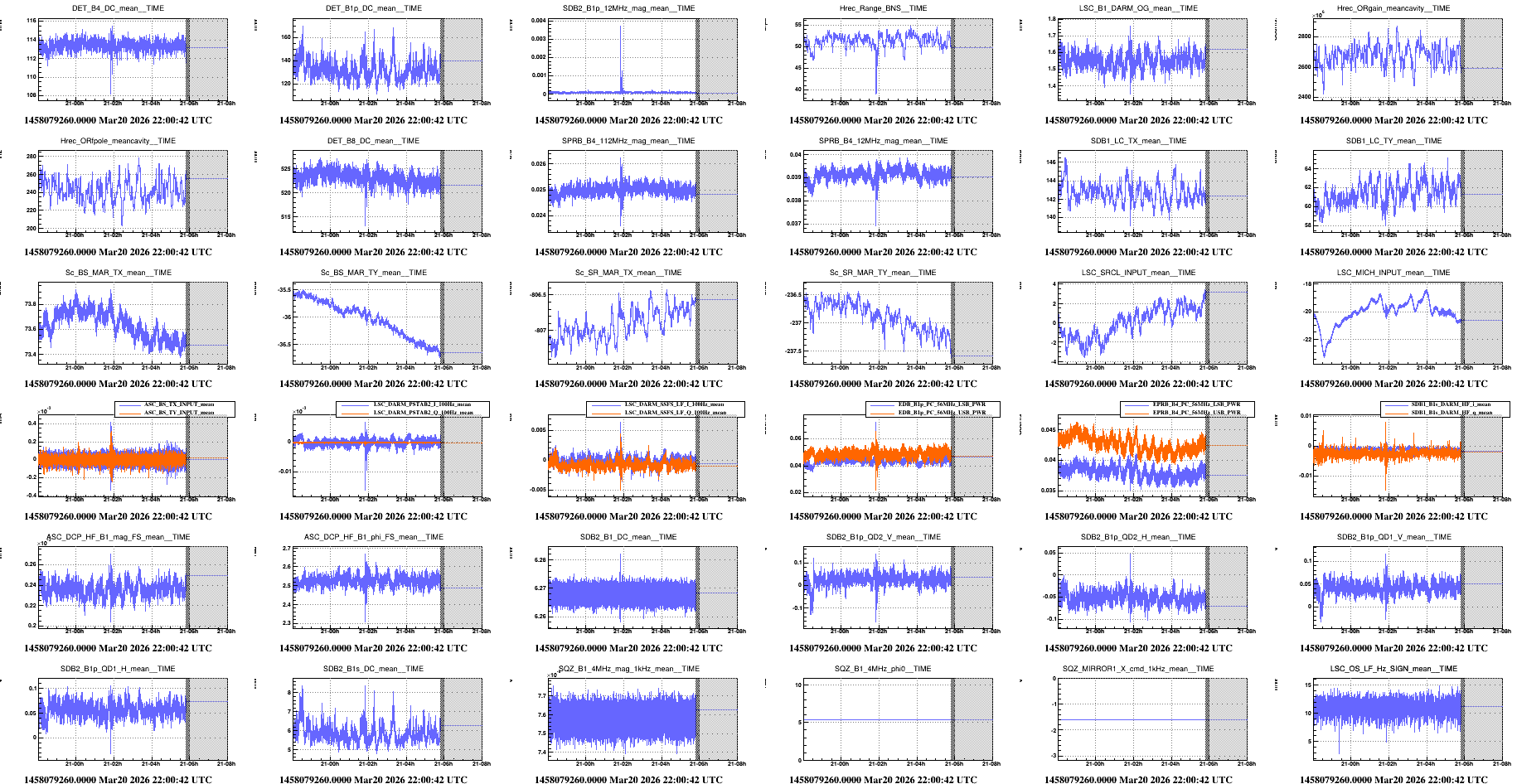
The SRCL_SET setpoint was also put manually to 12 at 19h13m46 UTC. In the figure a snapshot of the figures of merit of the interferometer.