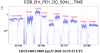
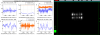
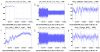
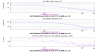
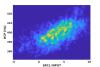
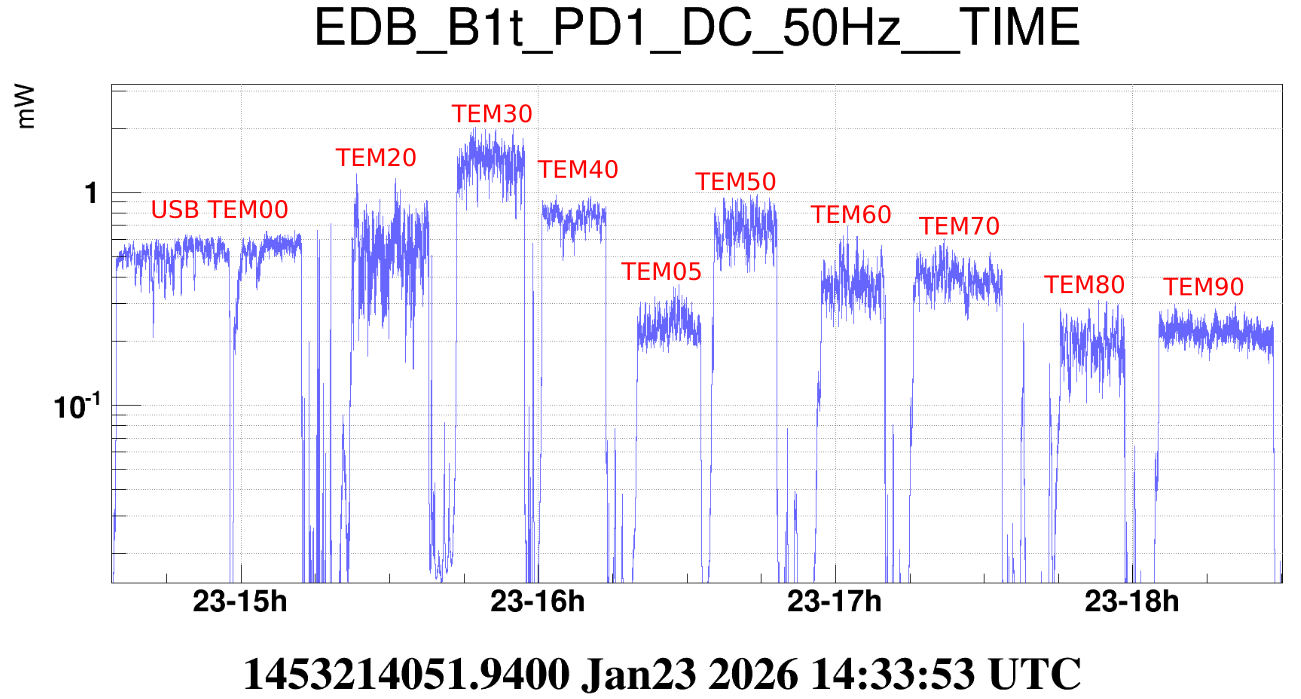
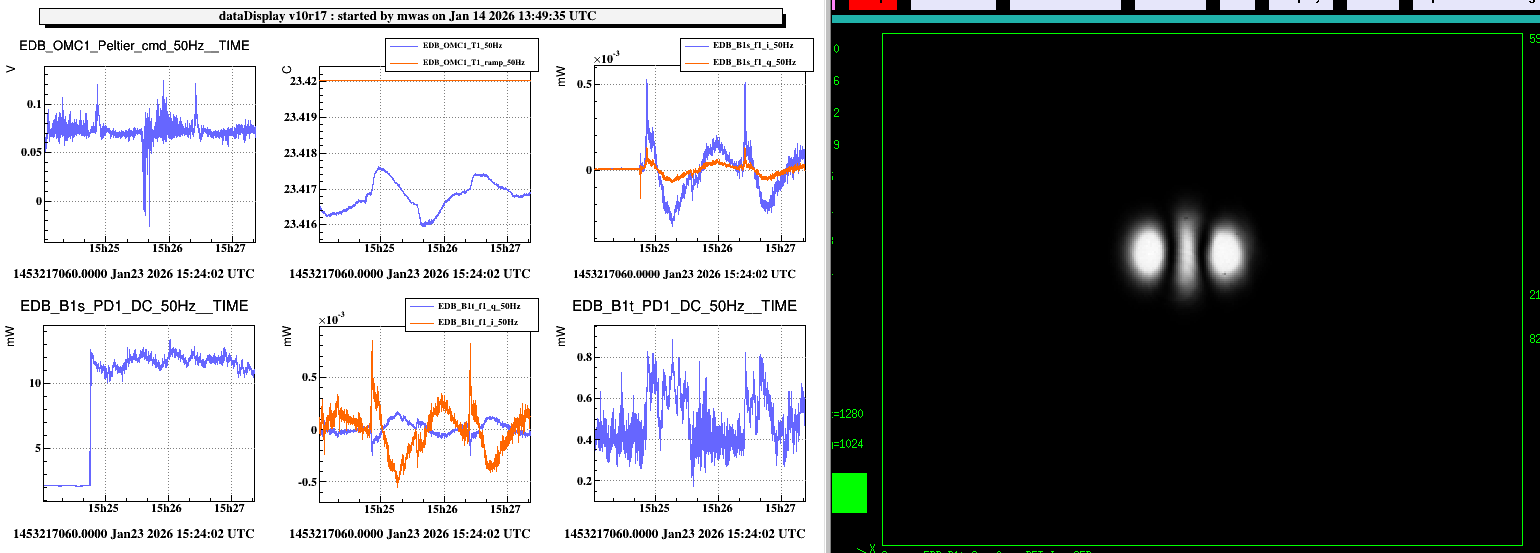
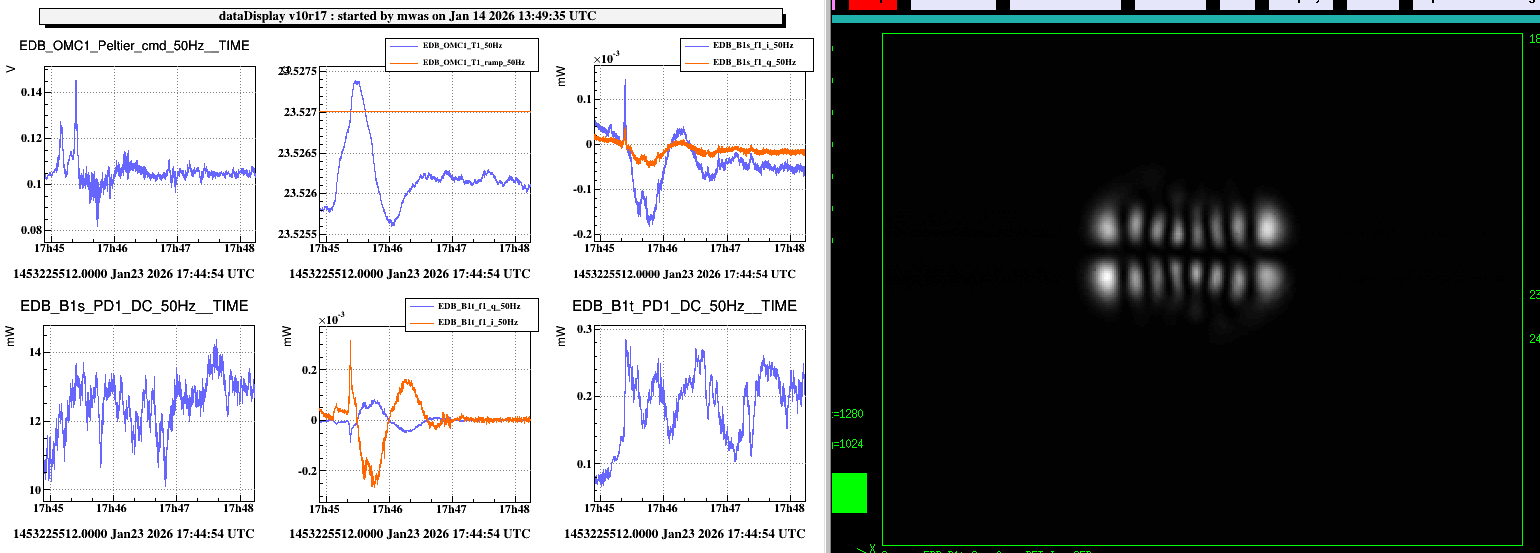
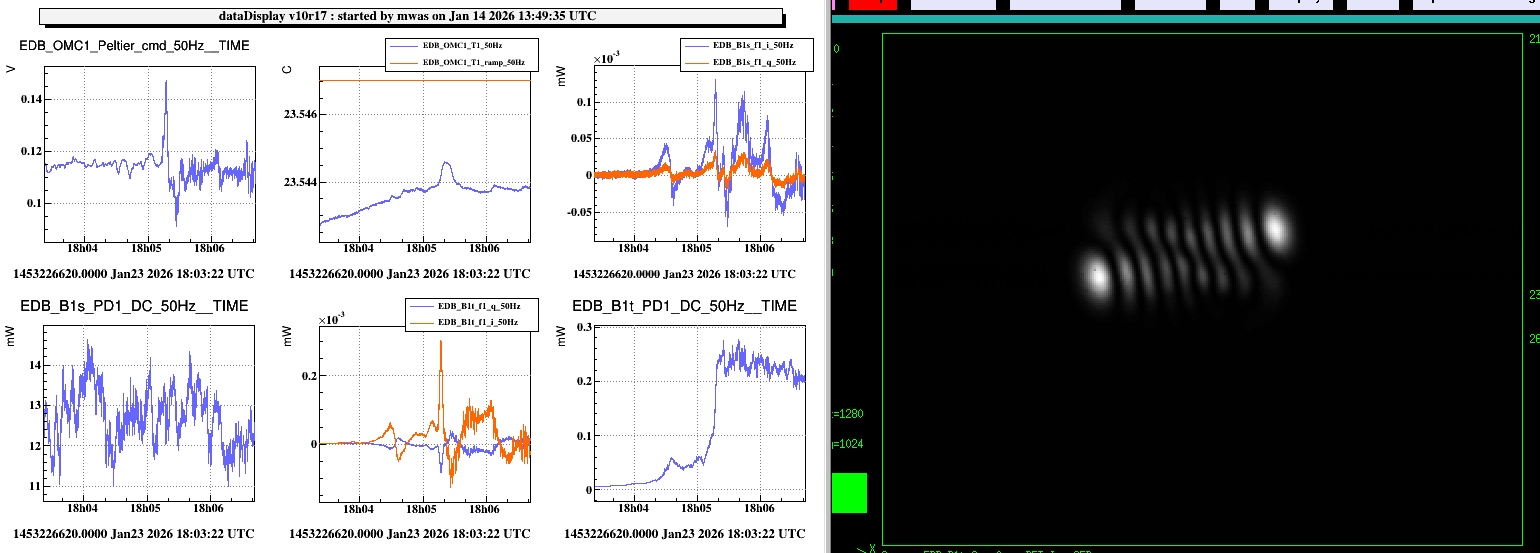
Figure 1 summarizes the realignment of the EDB OMC using the USB TEM00, and then the lock on the carrier HOM between order 2 and 9
14:35 UTC Locked on EDB OMC 56MHz USB TEM00. Power around 0.5mW on B1t.
Realignign the OMC
15:06 UTC (6min) lock on USB TEM00, between 0.55mW and 0.6mW. With low
jitter peaks at a few hundred Hz
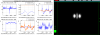
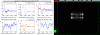
15:22 UTC (15min) lock on carrier order 2 mode, unstable, jumping back - Figure 2
and forth between the vertical and horizontal mode, the later having
double the power
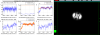
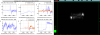
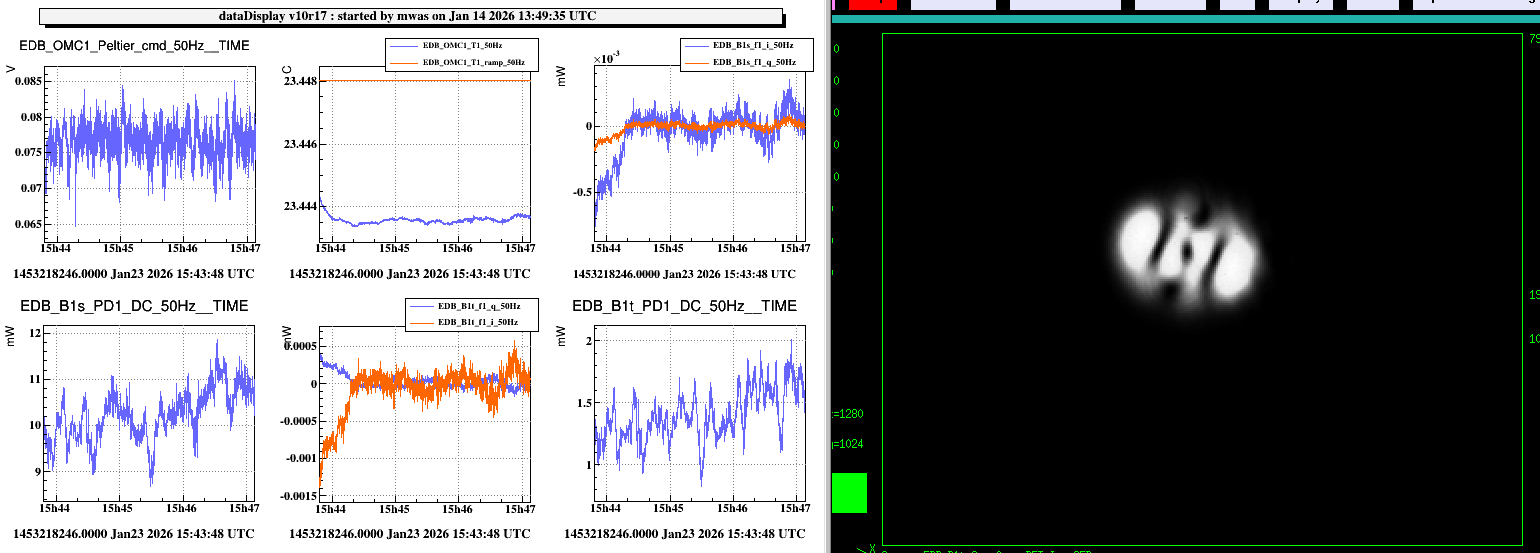
15:45 UTC (10min) lock on carrier order 3 mode, horizontal peak - Figure 3
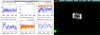
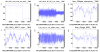
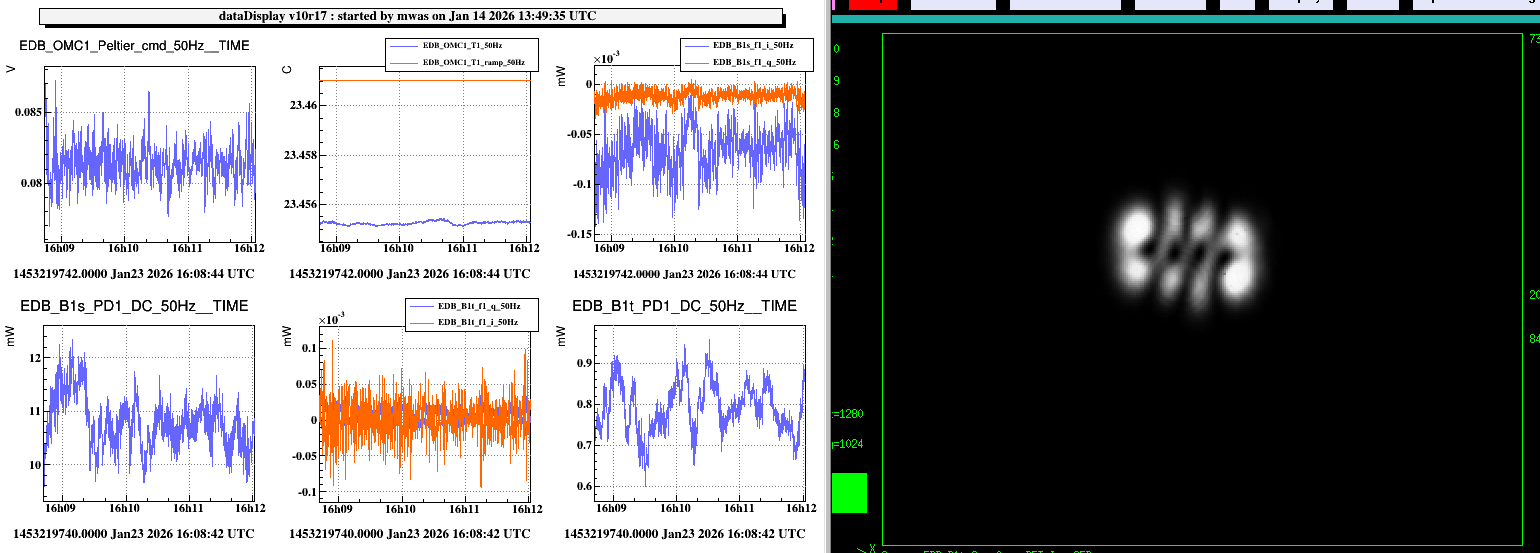
16:03 UTC (10min) lock on carrier order 4 mode, horizontal peak - Figure 4
16:22 UTC (10min) lock on carrier order 5 mode, vertical peak
16:37 UTC (10min) lock on carrier order 5 mode, horizontal peak that has 3 times more power
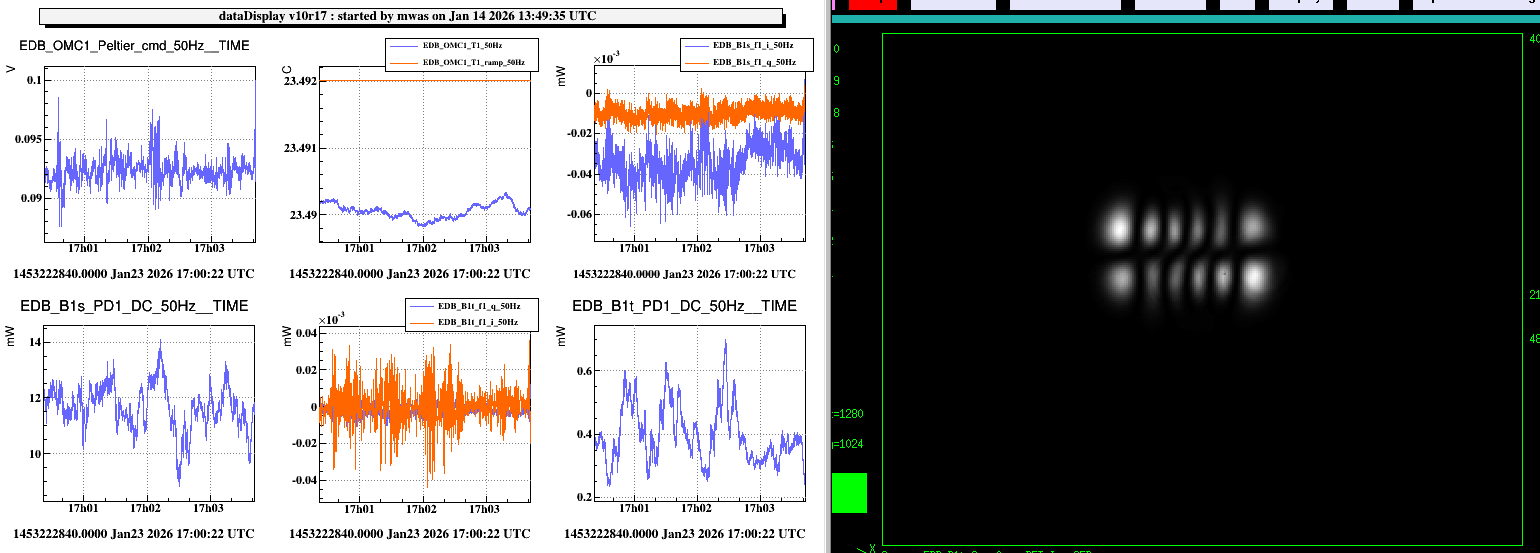
16:58 UTC (10min) lock on carrier order 6 mode, horizontal peak - Figure 5
17:18 UTC (10min) lock on carrier order 7 mode, horizontal peak
17:48 UTC (10min) lock on carrier order 8 mode, horizontal peak - Figure 6
18:08 UTC (20min) lock on carrier order 9 mode, horizontal peak - Figure 7
Restarting the EDB OMC scan with freq 0.0005Hz, ampl 0.5, offset 23.27
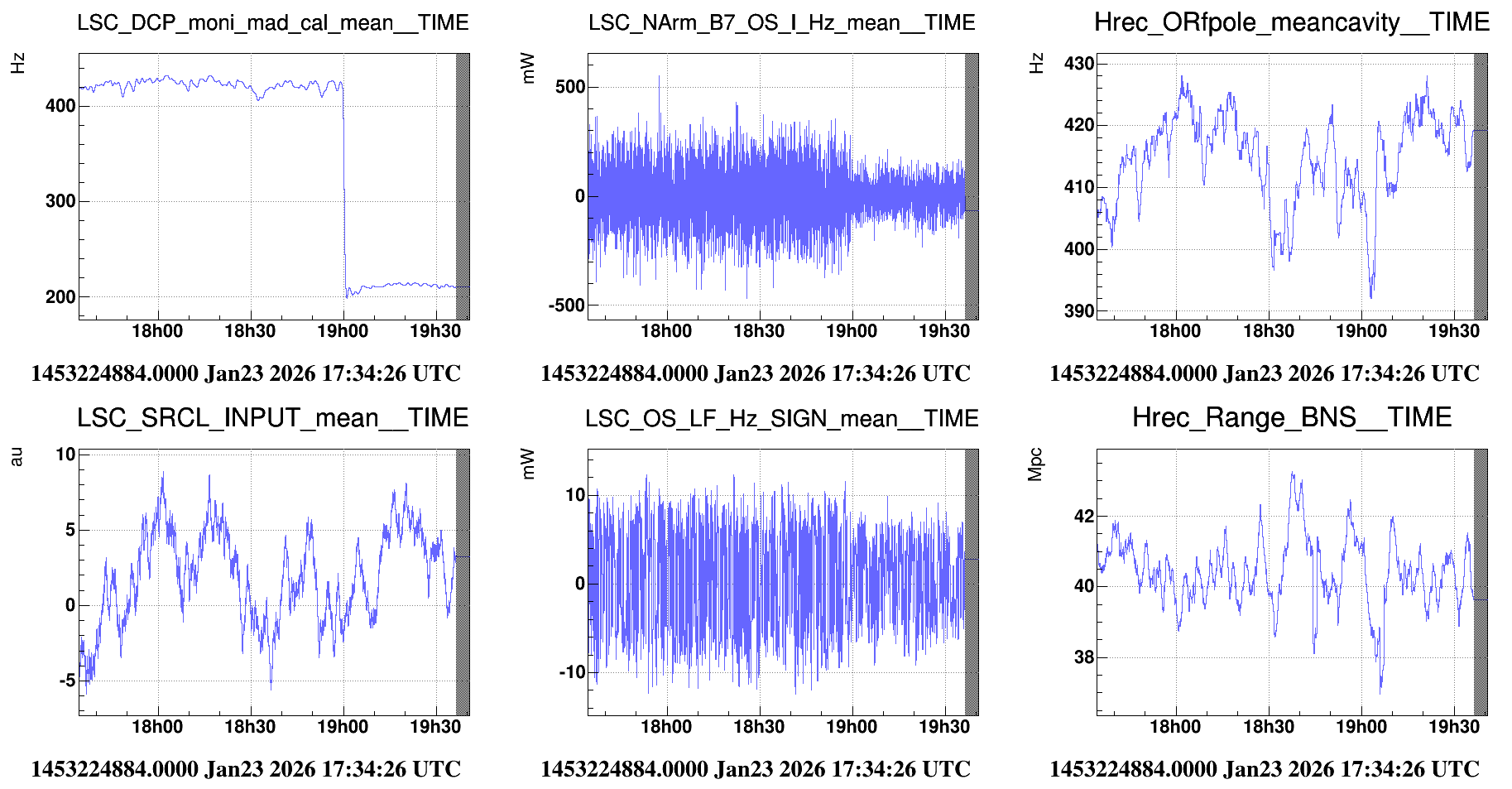
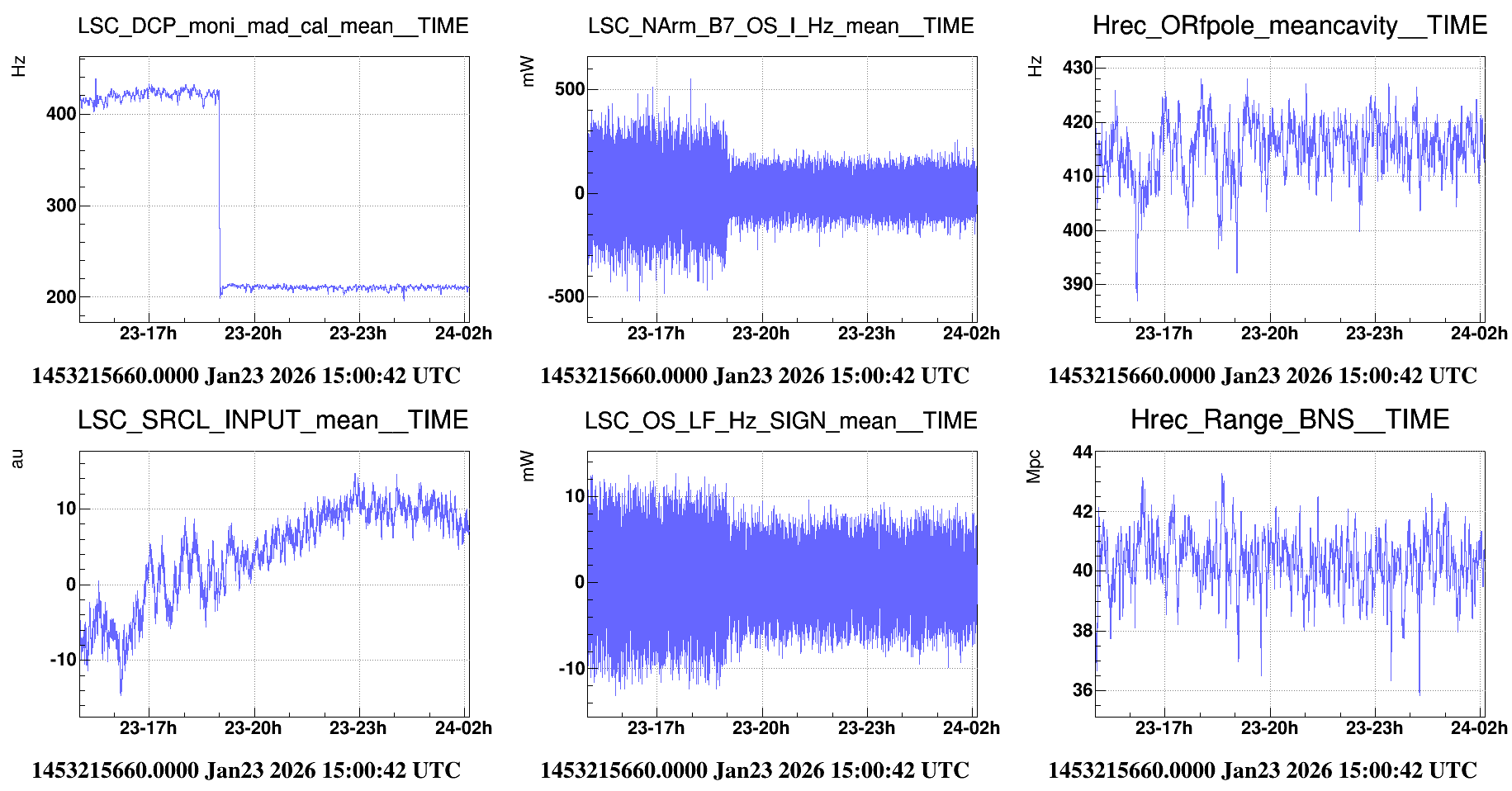
19:00 UTC increased DARM line amplitude (74.4Hz) by a factor 2 and reduce OS calibration by a factor 2, using a Cm command.
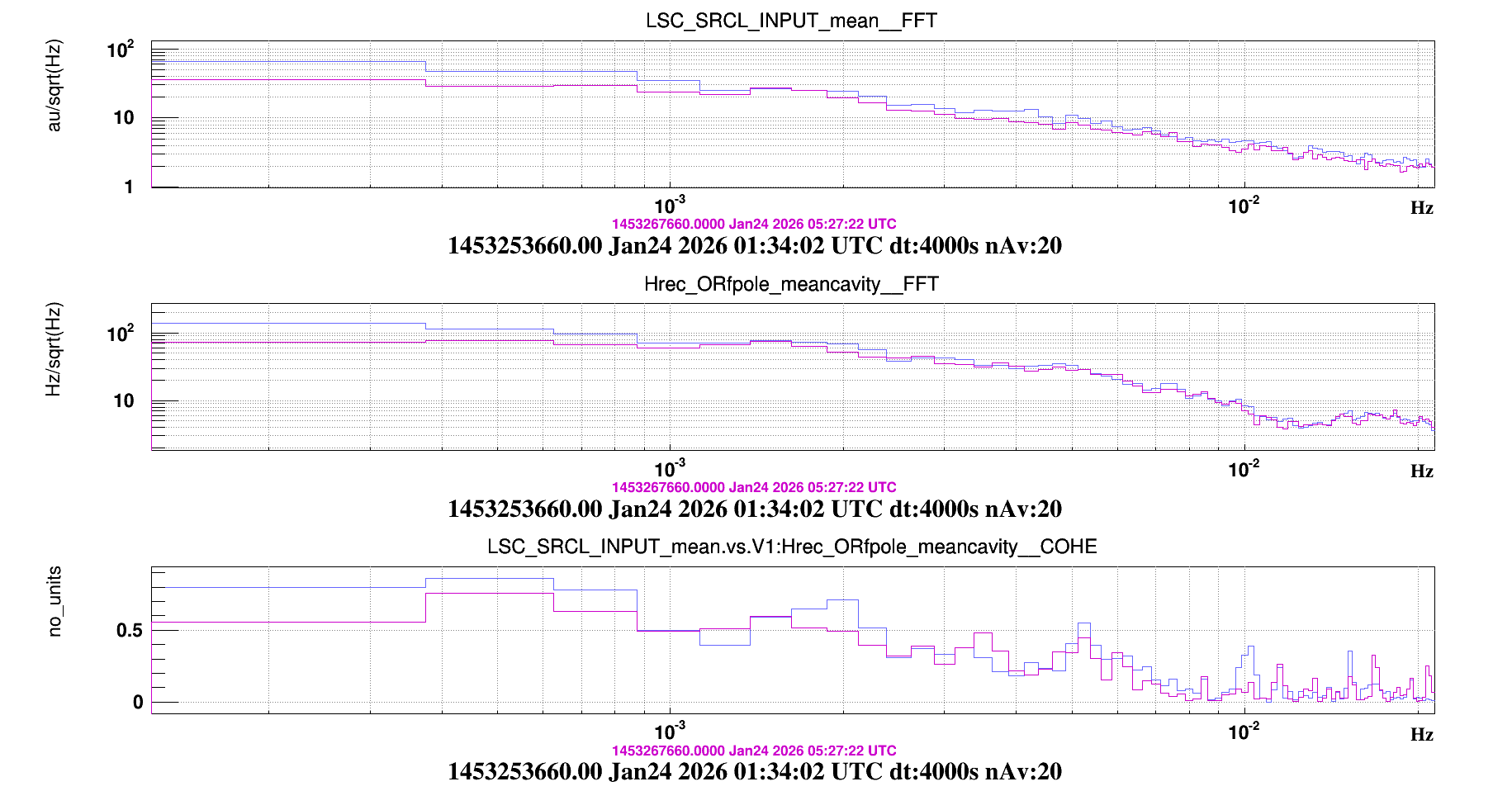
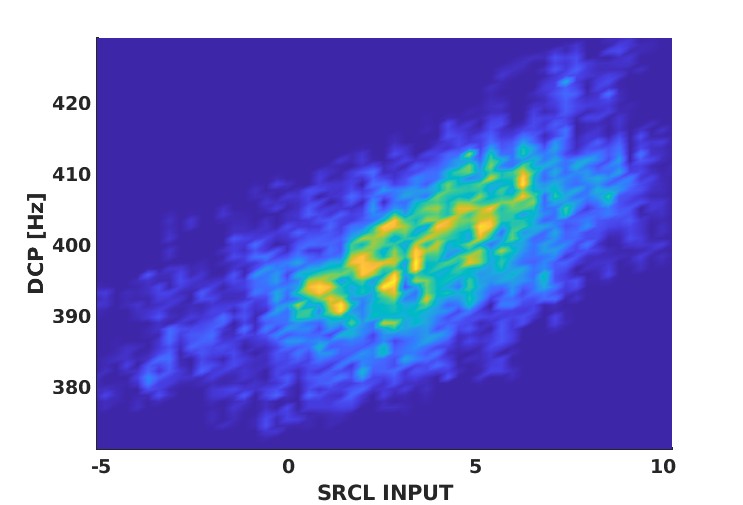
Figure 8. The change in DARM line clearly broke the LSC_DCP_moni_mad_cal monitor of the DCP frequency. The Hrec is still working. Note that the Hrec measurement of the DCP follows almost exactly the SRCL_INPUT signal, after the factor 2 increase in DARM line amplitude it appears more stable. To be confirmed with a few more hours of data if the DCP really becomes more stable with a higher SNR for the optical spring signal that control SRCL set point.