Reports 1-1 of 1 Clear search Modify search
AdV-ISC (Commissioning up to first full interferometer lock)
boldrini, pinto, nardecchia, casanueva, spinicelli - 15:30 Friday 31 October 2025 (68075) Print this report
BNS Range drops

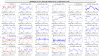
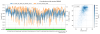
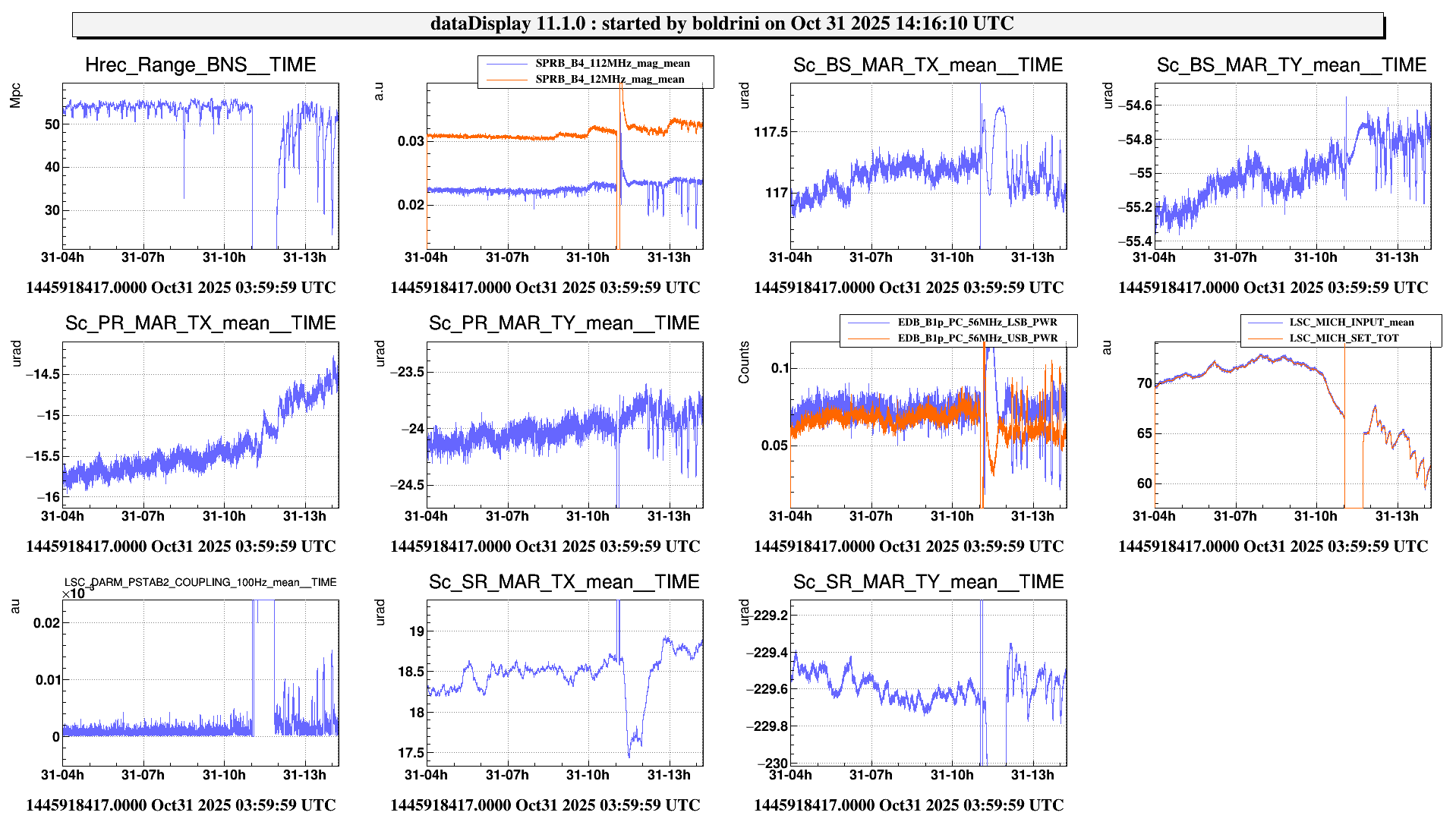
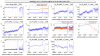
The slow drops in BNS range observed yesterday came back at much higher rate after this morning's re-lock (Fig.1)

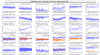
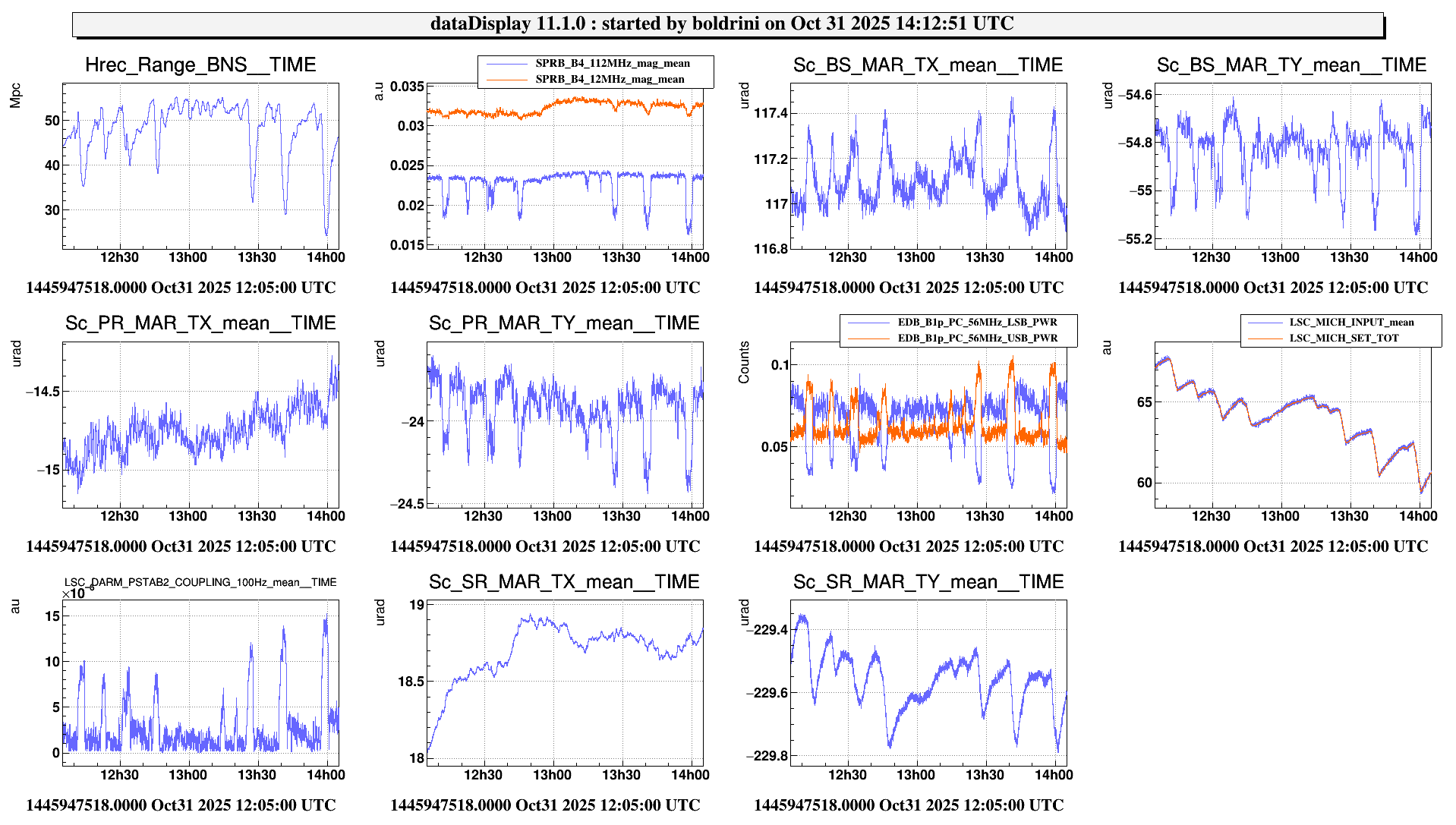
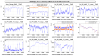
Zooming on a shorter window in Fig.2 shows that these drops are witnessed by a large number of signals related to the asymmetric DoFs: the power of the 56MHz sideband drops like a square wave, jumps are observable especially on the TY components of PR and BS MAR signals and the 56MHz sidebands quickly diverge from each other on the relative phase camera.

Interestingly, MICH_SET and relative error signal (DARM_PSTAB2) and SR_MAR_TY also observe events in the same moments, with SR_MAR_TY and MICH_SET showing almost identical behaviour.

Since none of these is takes the 56MHz as error signal, it seems plausible for this behavior to be driven by either the DARM demodulation that feeds the MICH_SET servo or the SR alignment, and all the other signals are just witnesses.
Images attached to this report
Comments to this report:
boldrini, casanueva - 11:56 Wednesday 05 November 2025 (68100) Print this report

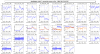
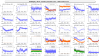
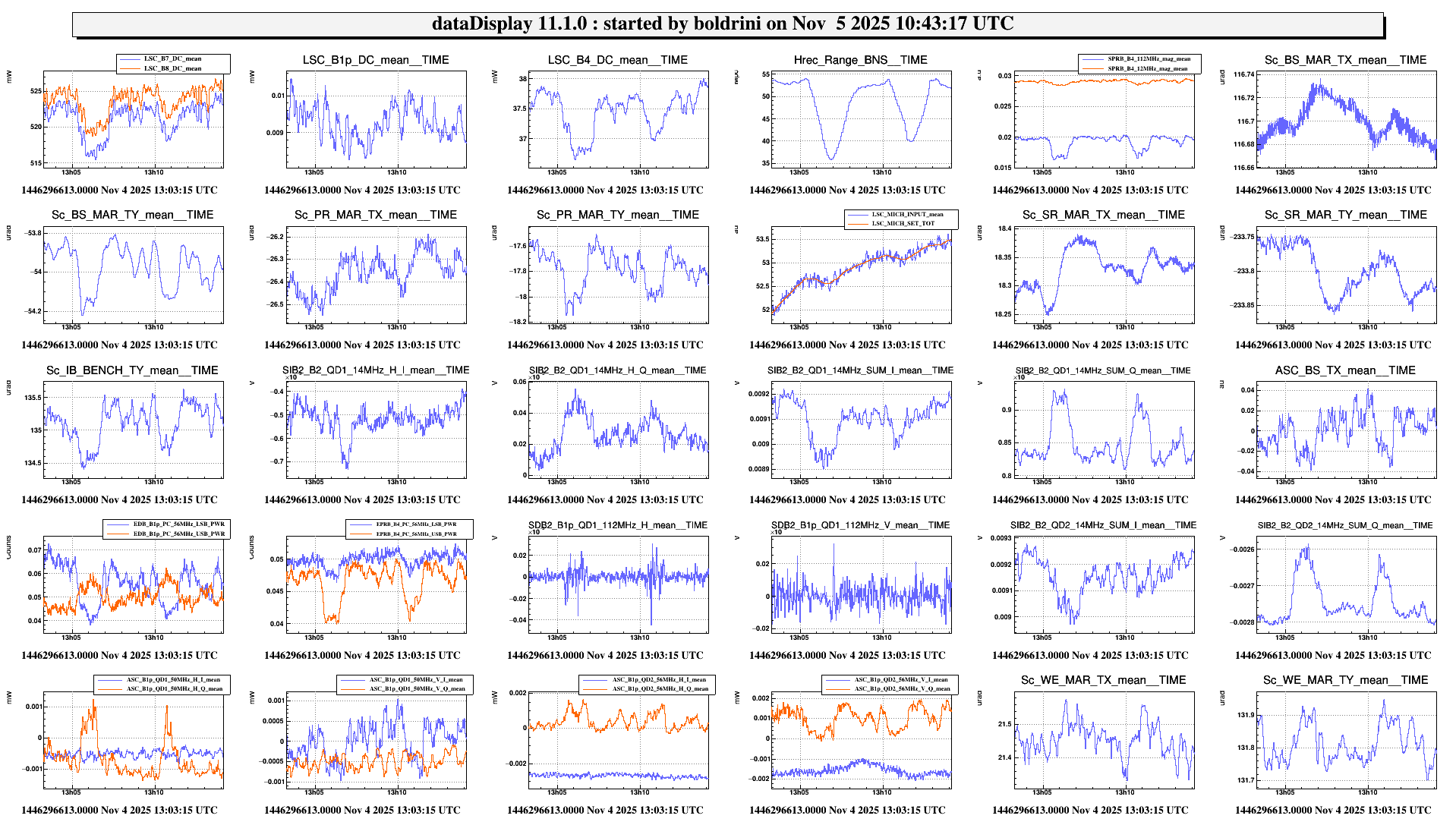
We have expanded the search of these drops' cause to more channels, and found plenty of witnesses (Fig.1). The channels we have found showing similar behaviour as the BNS range are:

  • DC signals: B7, B8, B4
  • 12MHz/112MHz sidebands on B4 and 112MHz sideband on B1p
  • 56MHz sidebands on B1p/B4 phase cameras
  • 50 and 56MHz quadrants on B1p, especially H/TY direction: the shapes are clearly visible on the Q components, while the alignment loops flatten them on the I. They can be found rather clearly on the marionettas' alignment though, both for WE and BS
  • TY actuation on the input beam (IB_BENCH_TY)
  • ASC_B2_QD2_14MHz, the channel previously used to identify jumps in the interferometer's working point

Among all these channels, no clear precursor can be identified. This behavior looks more like something affecting the whole interferometer at the same time, rather than a single loop misbehaving and affecting the rest of the machine.


Images attached to this comment
mwas - 14:29 Wednesday 05 November 2025 (68101) Print this report

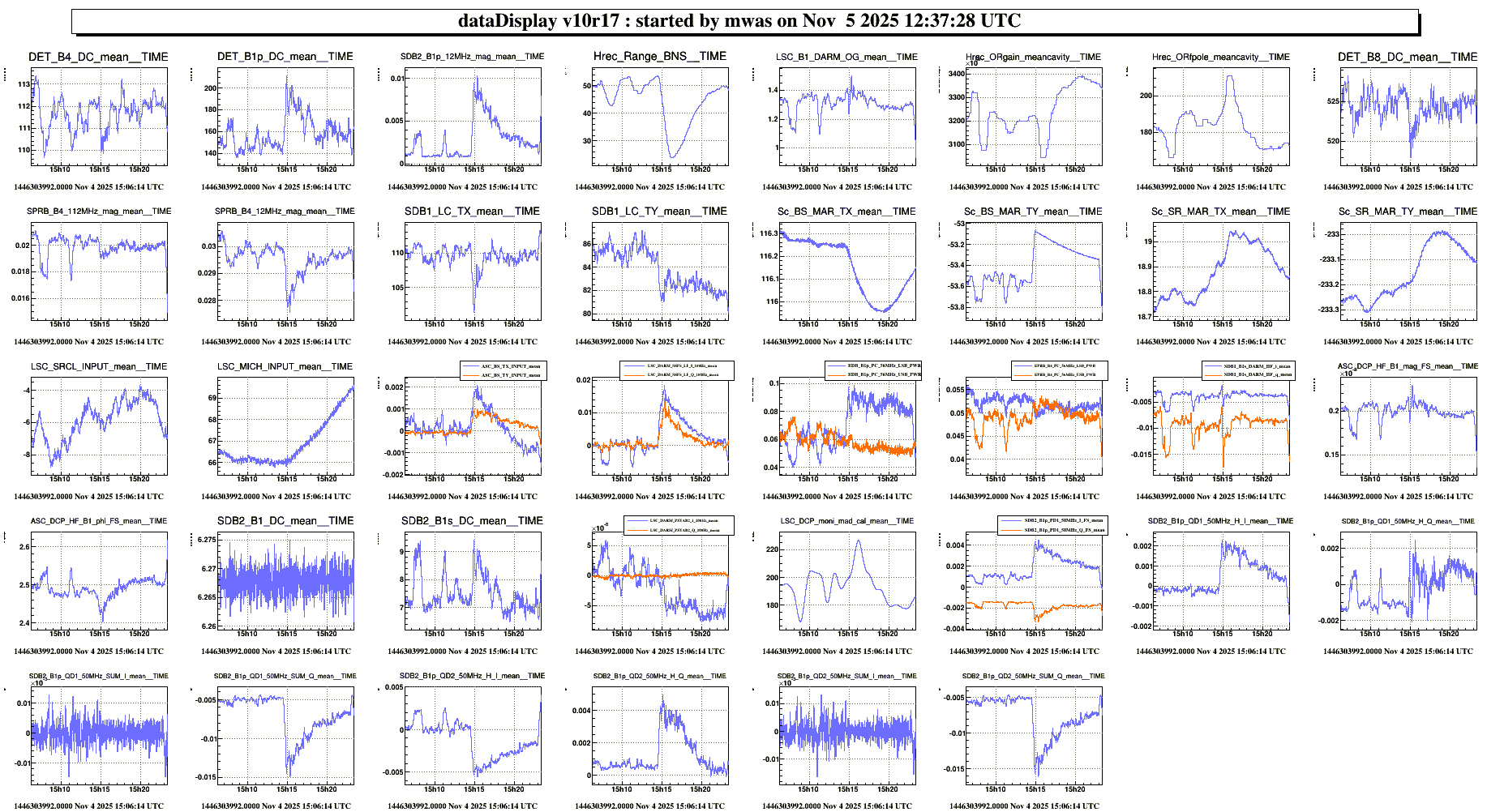
Figure 1. Looking at the data of the misalignment test of yesterday, before 15:14 UTC there is a few drops in sidebands and changes in BS TY alignment that happens due to the natural instability. These are not visible in B1p QD1 50MHz H I which is in loop, but it is visible in B1p QD2 50MHz H I. Then when the intentional motion of BS TY is made at 15:14 UTC, the signals are visible on both B1p QD1 and B1p QD2. A possible explanation of those observation is that B1p QD1 signal is being polluted for some reason (either due to the light field itself, or due to the quadrant), and then that gets imposed on the BS TY motion. A way to test that theorey would be to change the BS alignment signal from B1p QD1 50MHz I to B1p QD2 50MHz I. Looking at the signal B1p QD2 has a gain which is a factor ~2 higher, and the opposite sign. 

Images attached to this comment
direnzo - 15:34 Wednesday 05 November 2025 (68103) Print this report

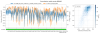
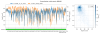
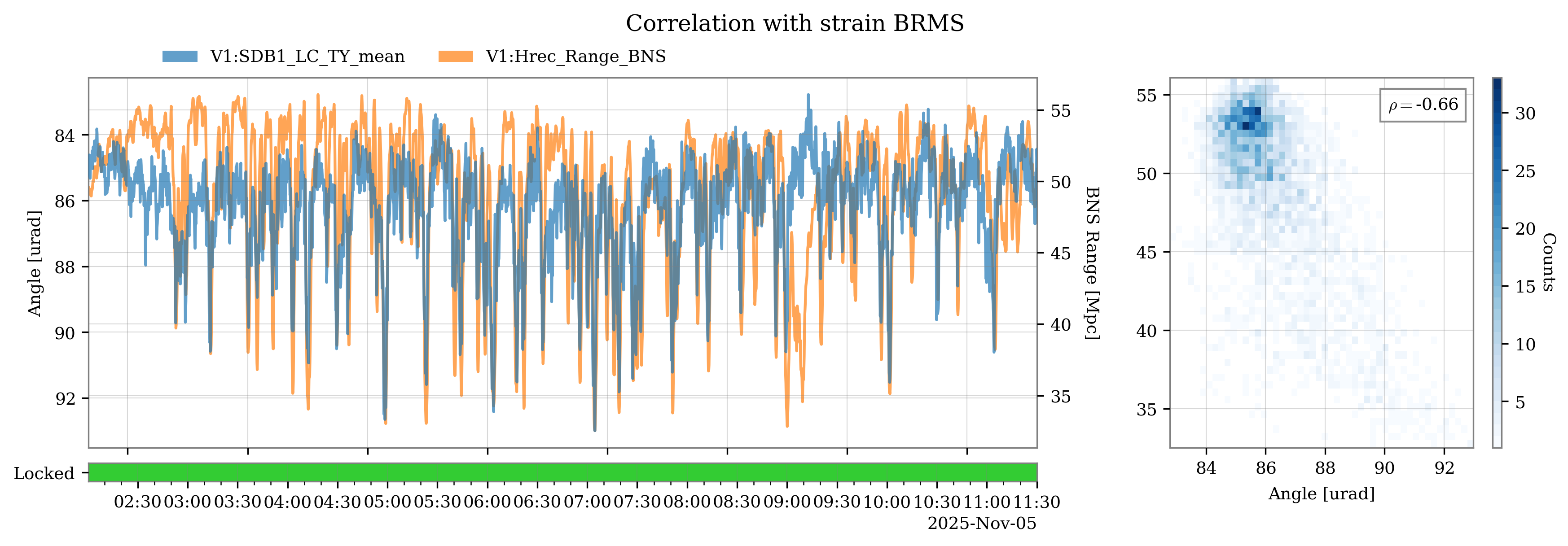
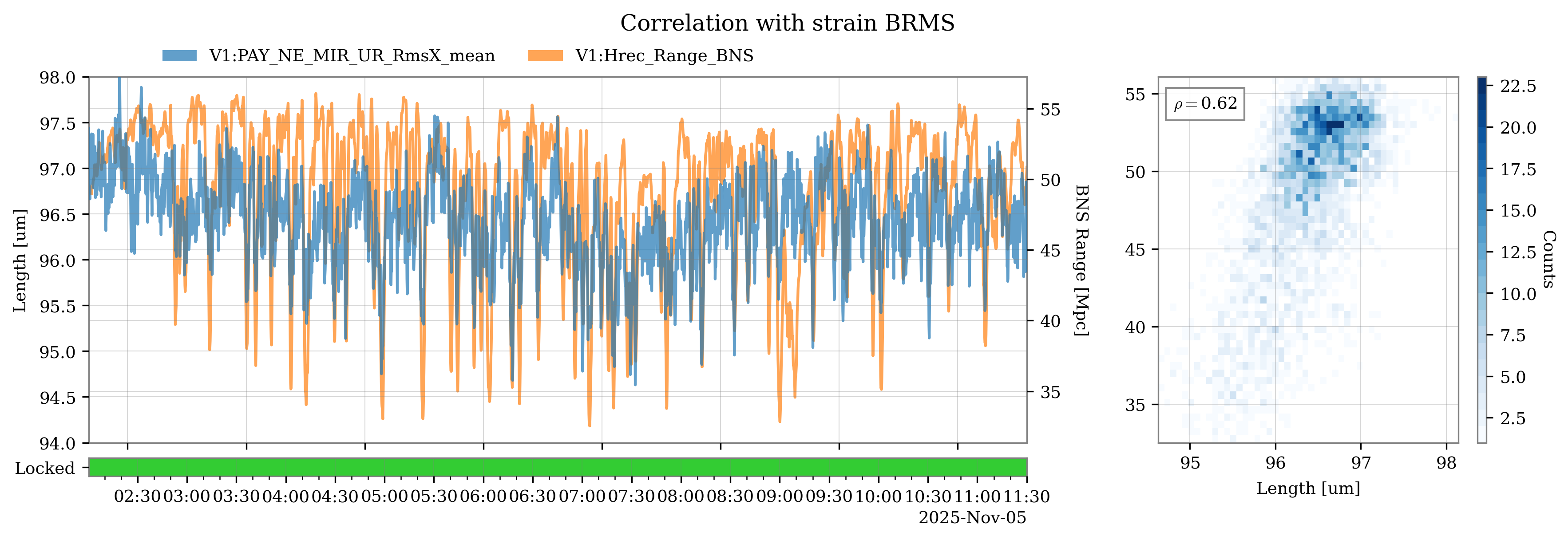
I've run a brute-force correlation analysis on the BNS range starting from 2:00 UTC last night, using all trend channels of type *_rms and *_mean (around 14k channels). The attached text file reports their ranking based on the Pearson correlation coefficient.

All the top-ranked channels are related to SPRB (see Fig. 1). Further down the list, we find correlations with the Local Control of SDB1 and the magnet signal from the upper-right actuator of the North End, shown in Figs. 2 and 3.

It’s not clear yet whether the latter could provide a clue about the origin of the range drops or if it’s instead a consequence of the energy variations already visible at the PR level in B4.

Images attached to this comment
Non-image files attached to this comment
mwas - 17:36 Wednesday 05 November 2025 (68104) Print this report

The PAY_NE_MIR_UR_RmsX channel, and similar channel starting with PAY, are not related to magnets but the shiny metal markers attached on the baffles around the mirror to scatter light and help with initial alignment of the beam in the arm cavities.

It remains interesting, it tells us that the alignment of the beam inside the arm cavity changes, or that scattering from something inside the arm cavity changes, or that a higher order mode becomes more/less resonant in the arm cavity.

bersanetti - 14:18 Thursday 06 November 2025 (68106) Print this report

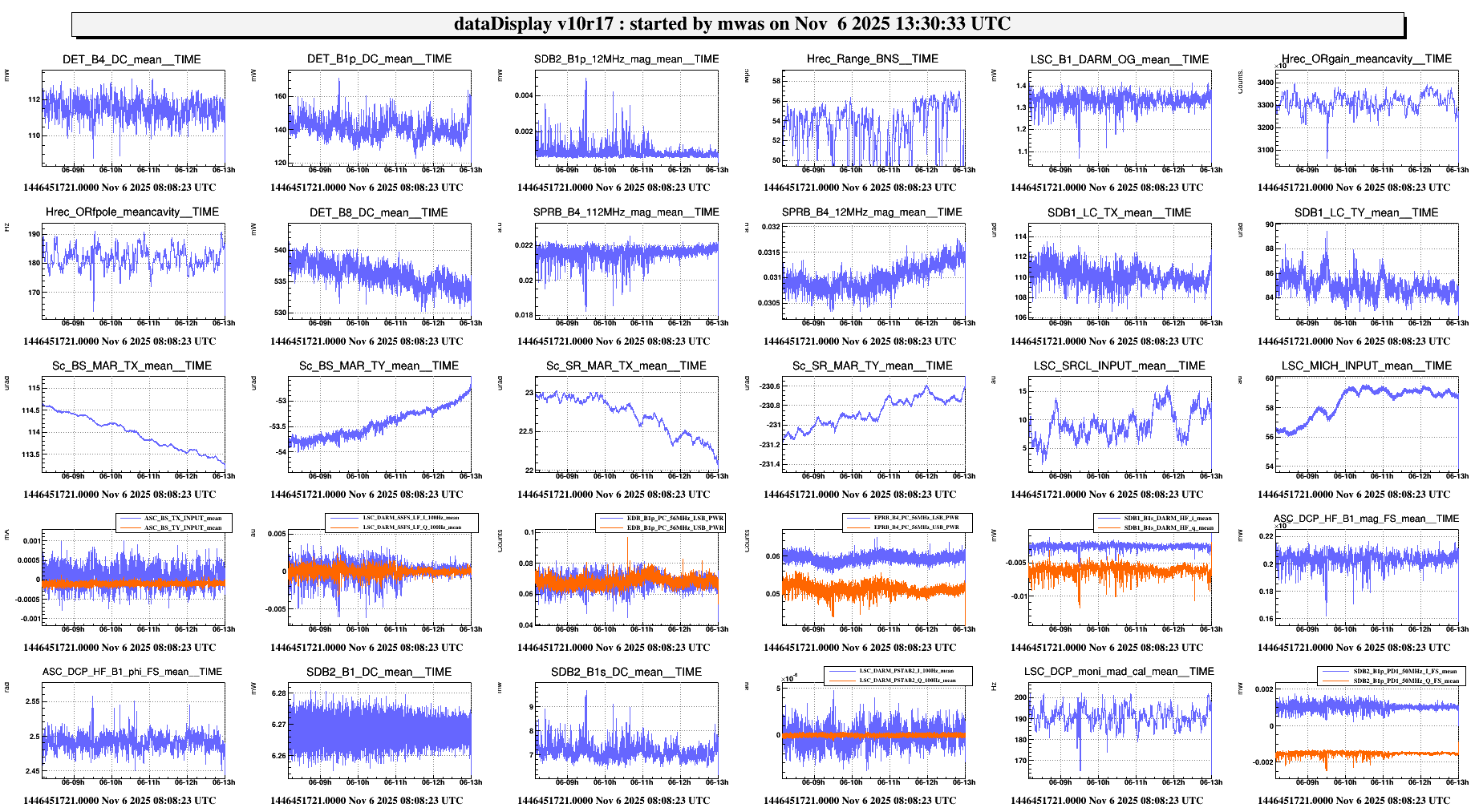
This morning I put the interferometer in ADJUSTING and I made the handoff from B1p_QD1_50MHz_H_I to B1p_QD2_50MHz_H_I (weight = -0.215); this happened at 11:10:12 UTC (ramptime = 5 s).

mwas - 15:11 Thursday 06 November 2025 (68107) Print this report

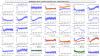
Figure 1. The change in quadrant used for BS TY alignment have clearly helped for many sensors of the interferometer, with the notable exception of the BNS range drop that have remained. The SSFS LF I and Q coupling fluctuations reduced by a  factor ~3, the drops in B4 112MHz mag disappeared, the spikes in B1p 12MHz mag disappeared, the fluctuations in BS TY as seen by the optical lever reduced by a factor ~4. 

Images attached to this comment
bersanetti - 20:05 Thursday 06 November 2025 (68110) Print this report

The test with the QD2 sgnal lasted up to the unlock. I then disabled it by hand as the automation did not know about it, then I added in DRMI_LOCK the reset of this new sensing matrix weight.

At the end of the calibration activity there is clean data from 18:11 UTC for 300 s; then, after a 25-minutes glitch, I changed the BS_TY loop sensor again from QD1 to QD2 at 18:20:03 UTC; clean data afterwards for 20 minutes.

At 18:41:12 UTC (ramptime = 5 s, in ADJUSTING mode) I opened the SR_TY loop, clean (SCIENCE) data for another 20 minutes. I enabled the loop back at 19:04:11 UTC (ramptime= 5 s).

bersanetti - 15:40 Friday 07 November 2025 (68115) Print this report

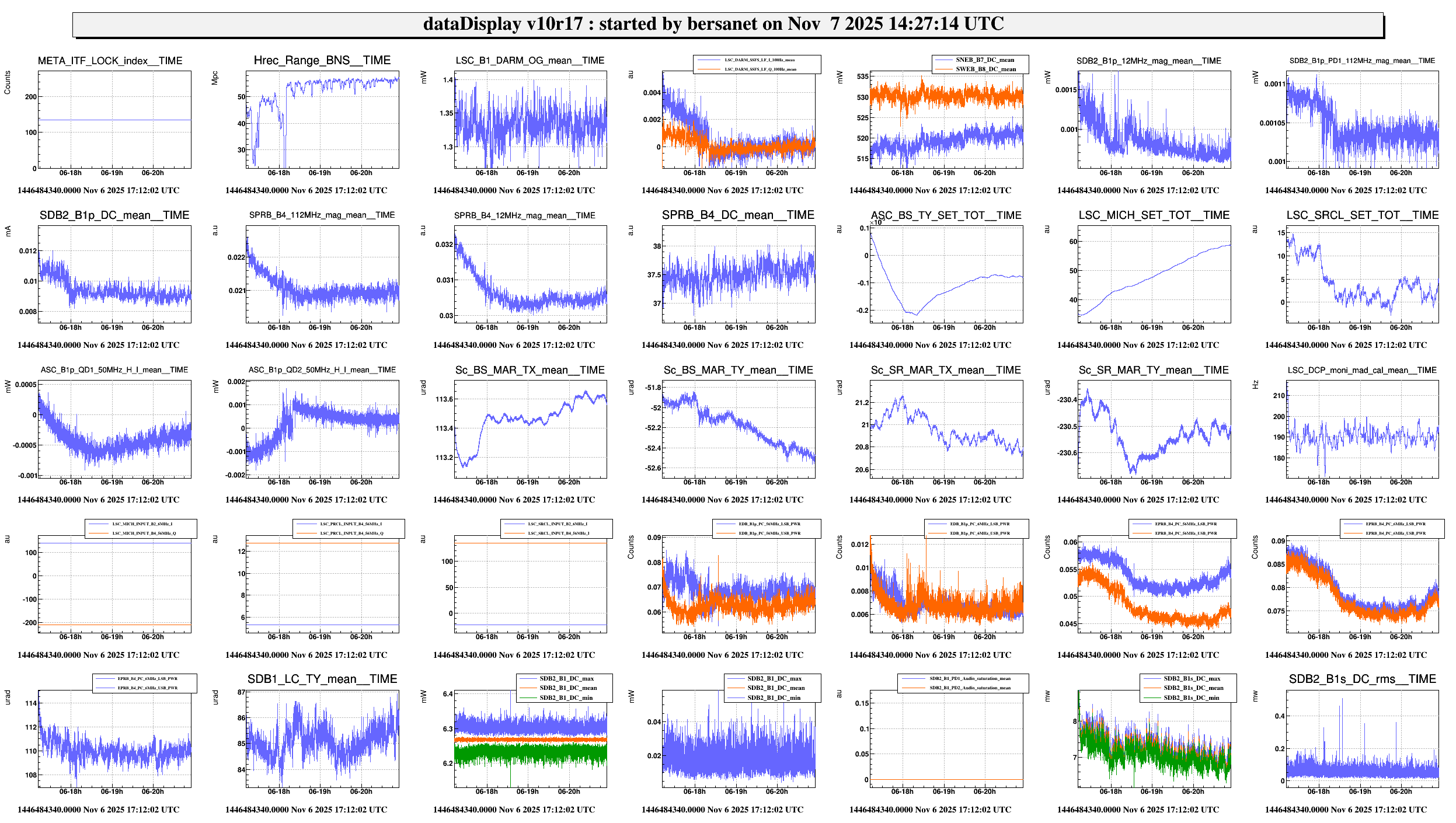
I looked at the data from yesterday:

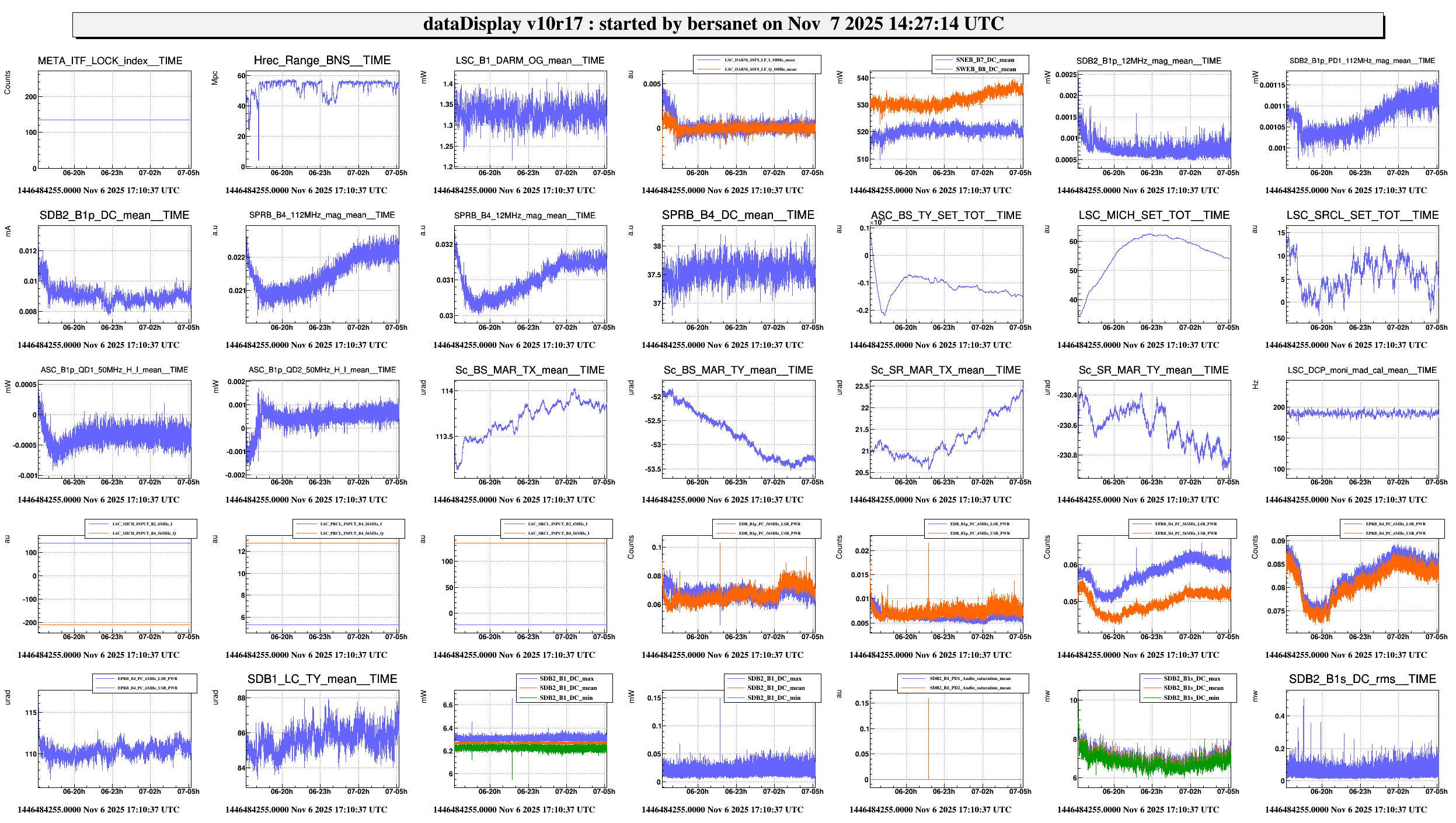
  • also in the second test, the handoff of BS_TY from QD1 to QD2 improved several signals, especially the ones related to sidebands; the effect on the range was, again, not as good;
  • the two QPD signals have different offsets, as the handoff changed the behaviour of the setpoint servo of the loop itself;
  • this also caused a change in behaviour of the SRCL setpoint servo, which showed a jump downwards; the MICH one, instead, did not show any particular change.

In Figure 1 a snapshot around the time of the changes, in Figure 2 a much longer trend of the night.

The change of the BS_TY sensor has been automated, only from CARM_NULL_1F onwards; the configuration for the loop while still on the DRMI has been left on QD1.

Images attached to this comment
Search Help
×

Warning

Error

The present report has been modified outside this window. Please check for its integrity in the main page.

Refreshing this page will move this report into drafts.

×