The aim of the shift was to check the performance of the FIS injection with the new B1 PDs
List of the activities:
As first action of the shift we measured the Squeezer parametric gain with the HD detector. We had 9mV max and 2.64 mV min of HD 4 MHz mag. This correspond to a parametric gain of 3.41, i.e. 10.6dB o SQZ produced by the OPA
At 14:55 UTC we started to open the SQB1 Shutter and to rotate the SQB1 HWP2 half waveplate.
At 15:30 UTC with the automation in SQZ_INJECTED we closed the CC and AA loop and we realigned the SQZ beam toward the ITF
At 15:36 UTC we took the shot noise reference
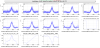
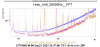
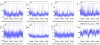
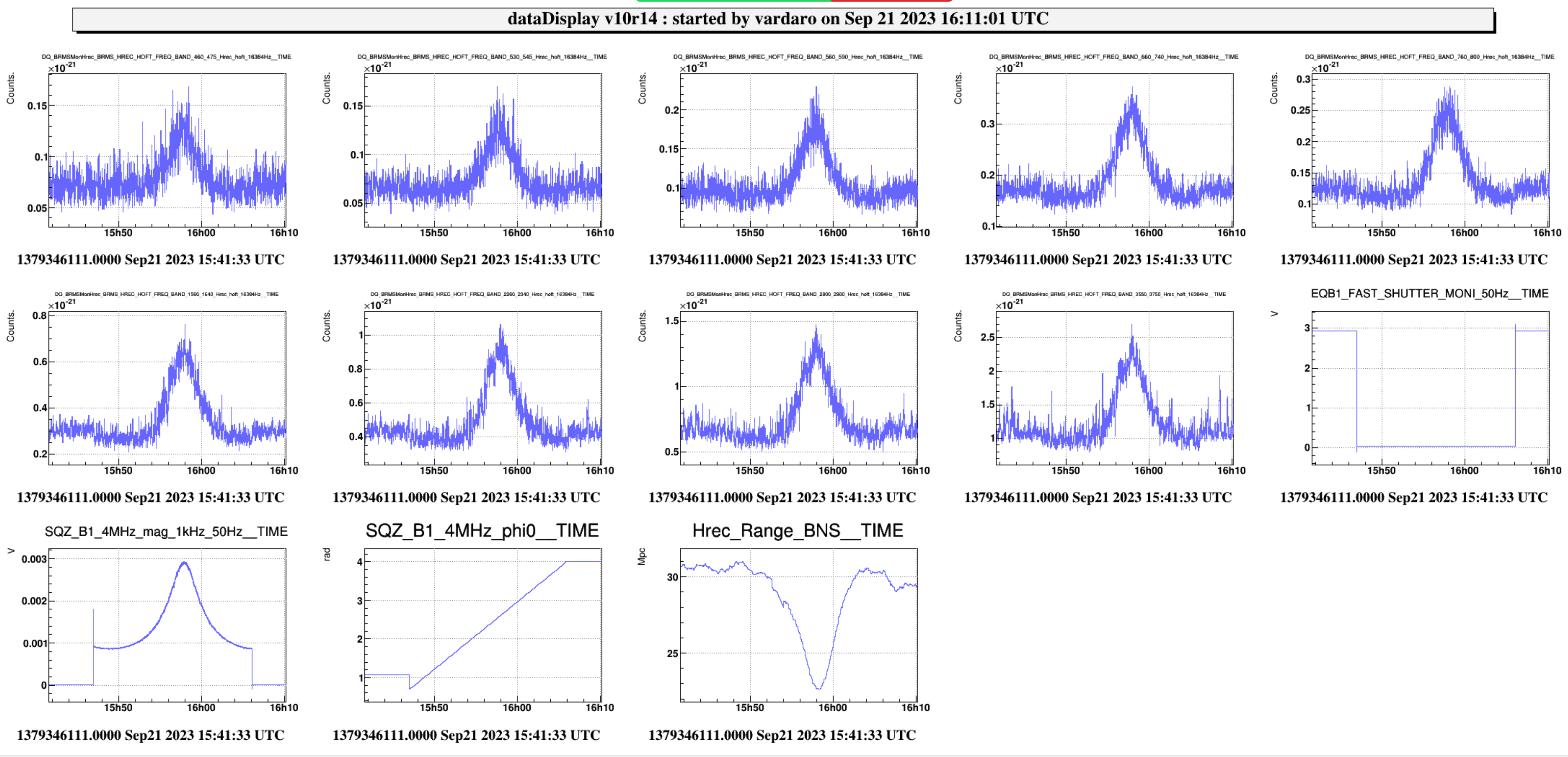
At 15:44:30 UTC we started a phase scan. From the phase scan we measure roughly 6dB of ASQZ and less than 1dB of SQZ. See fig 1.
We found out that the angle of max SQZ level was 1.2 rad and the angle of max ASQZ level was 2.65 rad.
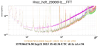
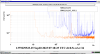
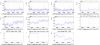
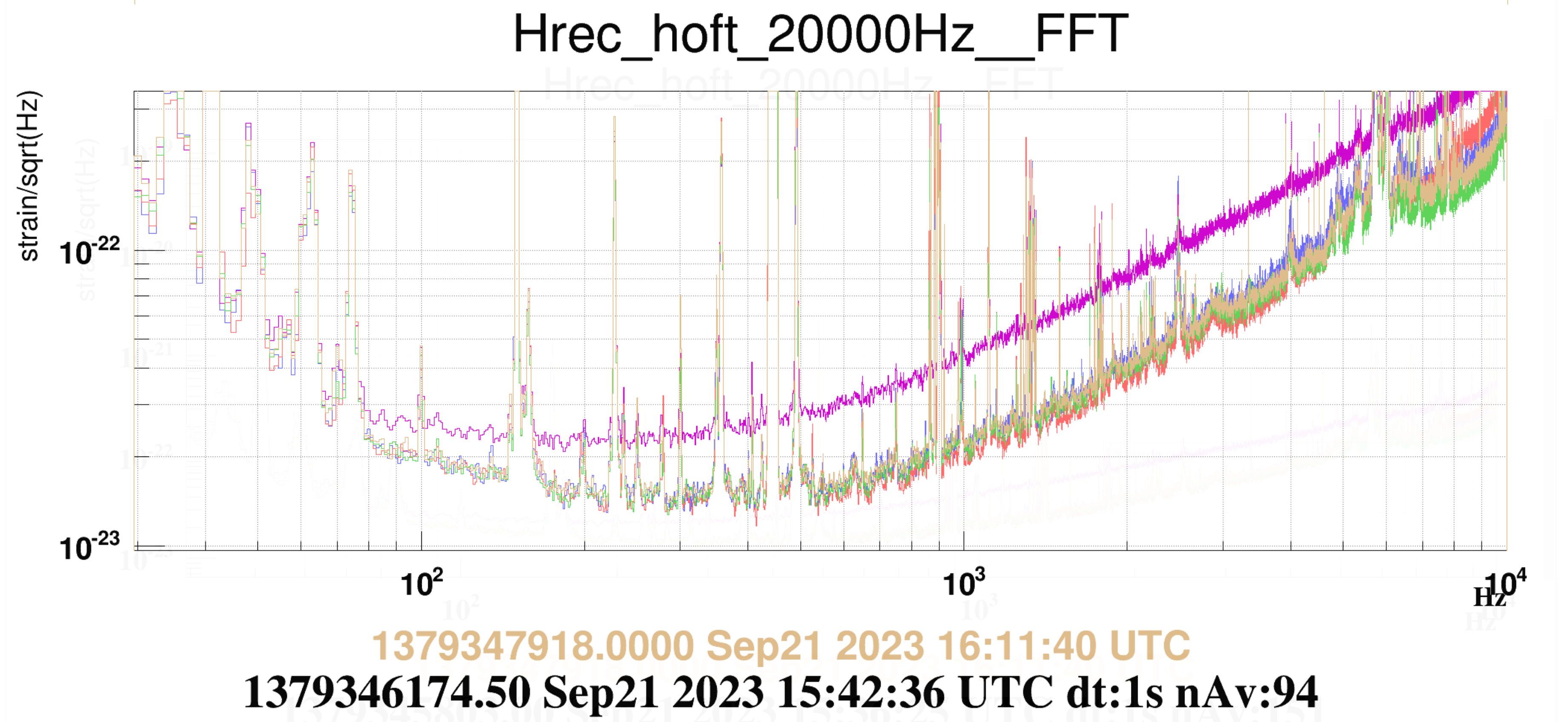
We measured ASQZ at 16:37 UTC and SQZ at 16:44 UTC. In figure 2 you can see in violet ASQZ, in BROWN shot noise taken at the end of the phae scan (16:10 UTC) and in RED shot noise taken at 15:36 UTC. In green SQZ taken at 16:44 UTC. You can see that the level of the shot noise is different in both the case.
Thus we decided to take longer data stretches of Shot noise and SQZ:
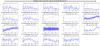
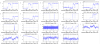
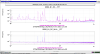
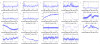
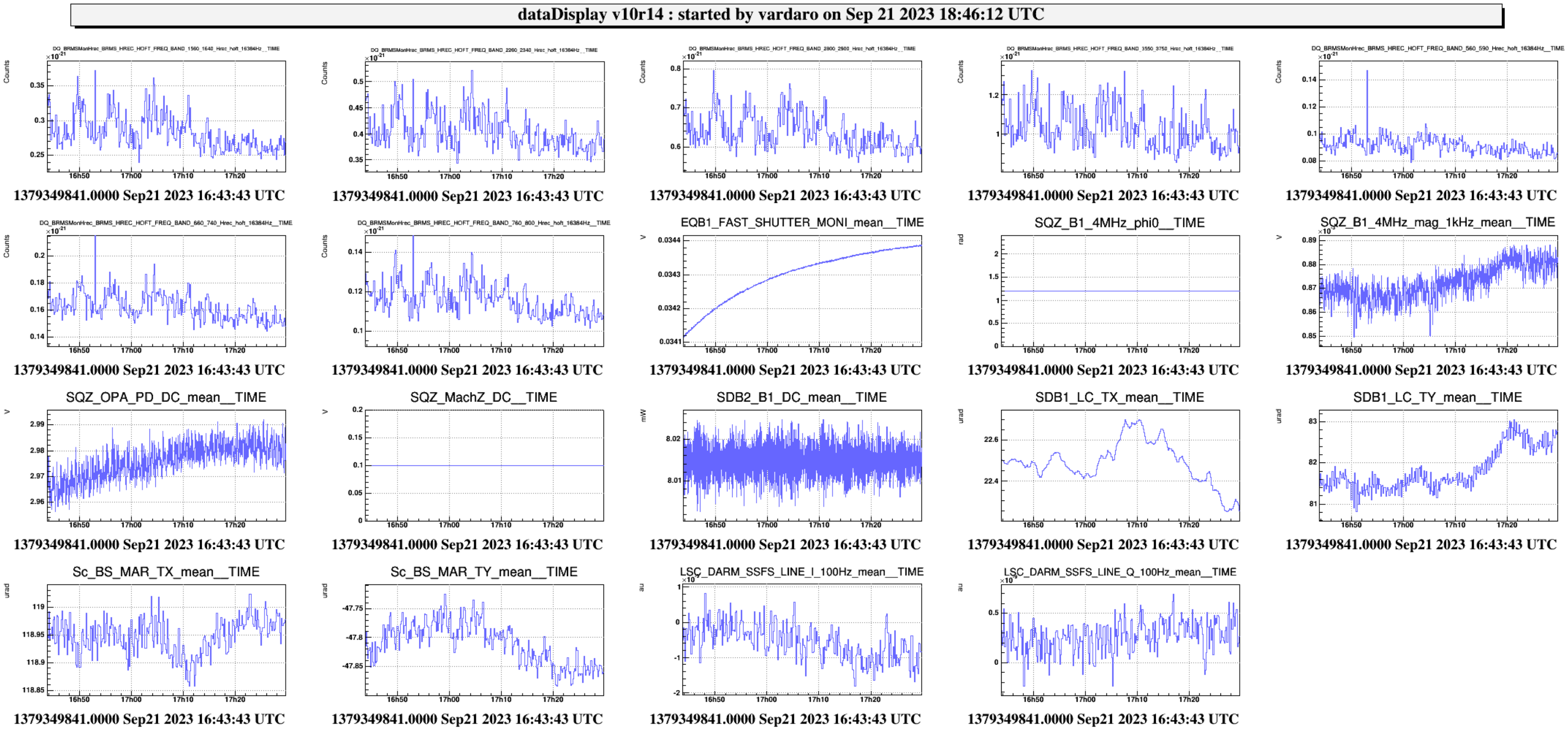
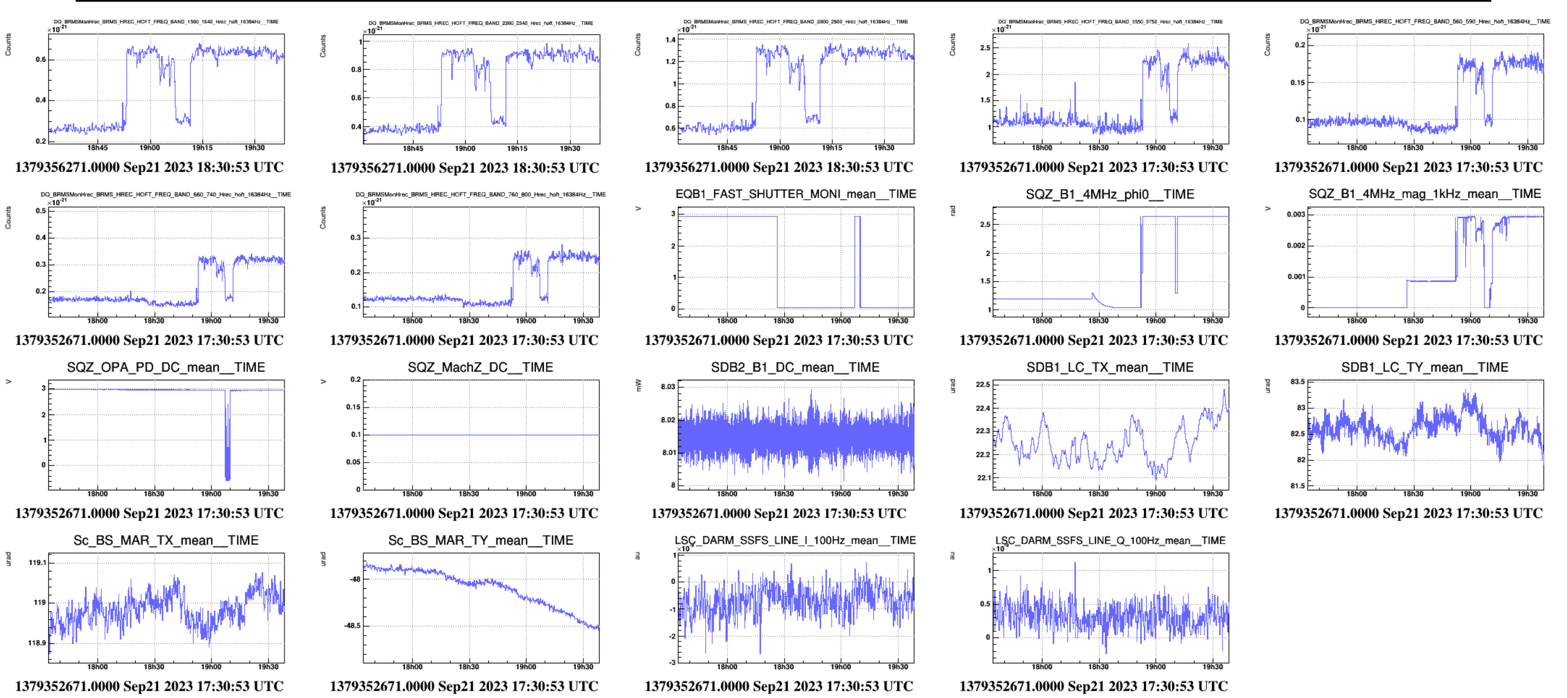
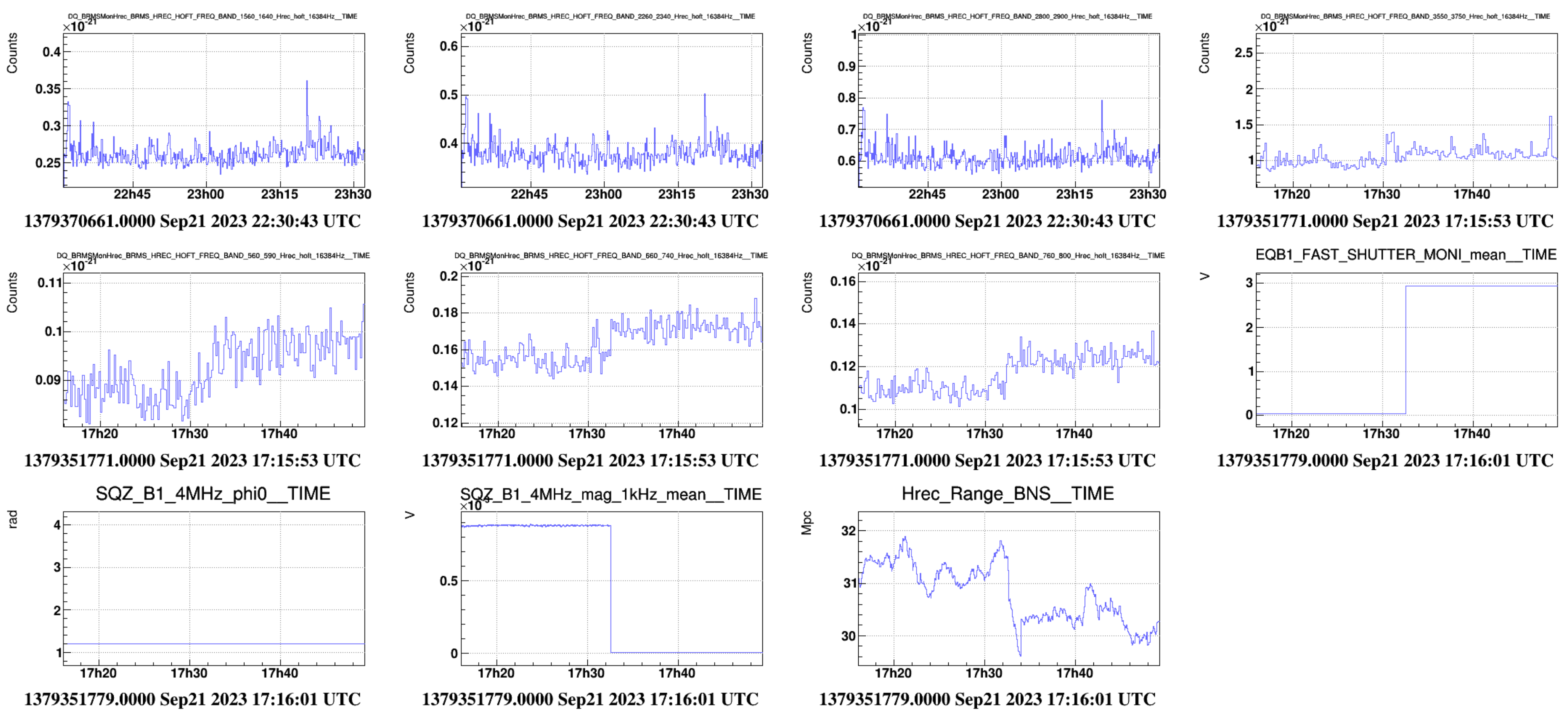
- figure 3: SQZ ingected up to 17 and 30, than shot noise. You can see that at the beginning the noise in hrec was higher and with a lot of fluctuations. Near the closure of the shutter it was better. When we closed the shutter you can see the step in the noise in Hrec. This is compatible with about 1 dB of SQZ. The cause of the noise was probably an high technical noise in the interferometer. It is also interesting that the 4MHz mag decreased by a factor 2%, but it is not enough to explain the high fluctuations at the beginning of the plot. Moreover are evident some correlation between the movement of SDB1 and the level of the magnitude, and also some correlation between the coupling of the frequency noise in the ITF (SSFS) and the level of measured squeezing
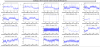
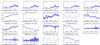
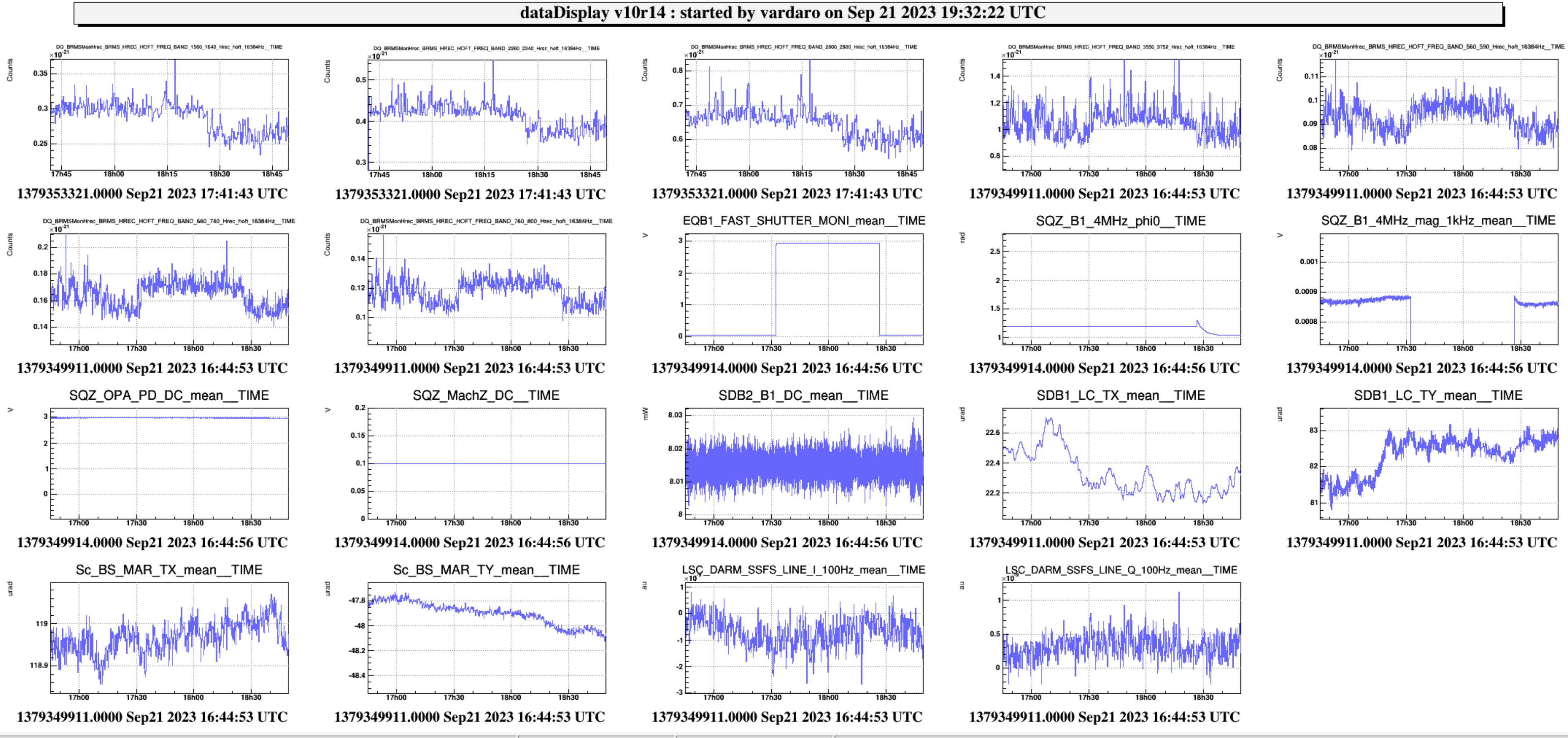
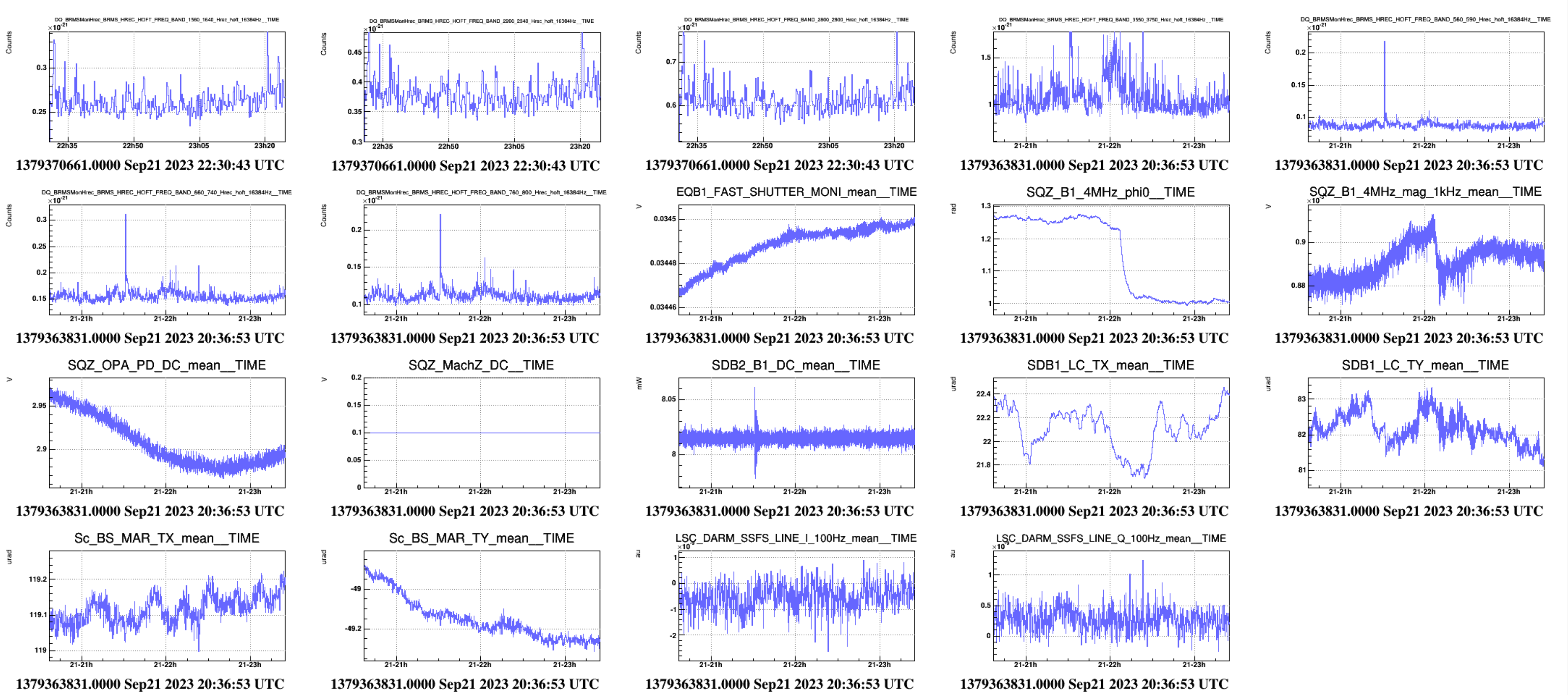
- figure 4: after the shot noise data we injected again squeezing. The level of the noise in hrec is similar to what we found at the end of the SQZ data in the first part of fig 3.
- At 19 we injected ASQZ and we started to check the alignment, to be sure that the change in the B1 4MHz magnitude was not due to some clipping. We did the following acrions
- move SQB1 bench in horizontal X to see inf we could improve the level of the 4MHz mag on B1 (no effect)
- move the Picomotors on M32 and M33 (small improvement)
- move the retroreflector on SQB1 (small improvement)
- optimize the SQB1 HWP1 to decrease the power of the spurious beam from the ITF on EQB1. This was done by looking the beat note of the LO and this beam on HD Detector (open LO Shutter, Put fast DAC offset at 20 mV, rotate SQB1 HWP2 to send all toward HD, improve SQB1 HWP1, come back with SQB1 HWP2)
- At 20:21 UTC all these operation were concluded
- Figure 5 SQZ (0.9dB at 18:45UTC), ASQZ (5.8 dB at 19:15 UTC), Shot (at 18 UTC).
- Figure 6 the same of figure 5 in time domain
Some observations:
- This time we injected 2dB of more SQZ wrt the last shift. We measure 2dB more of ASQZ but the same level of SQZ (maybe less). We had the impression that the technical noises at high frequency are higher than during the last shift
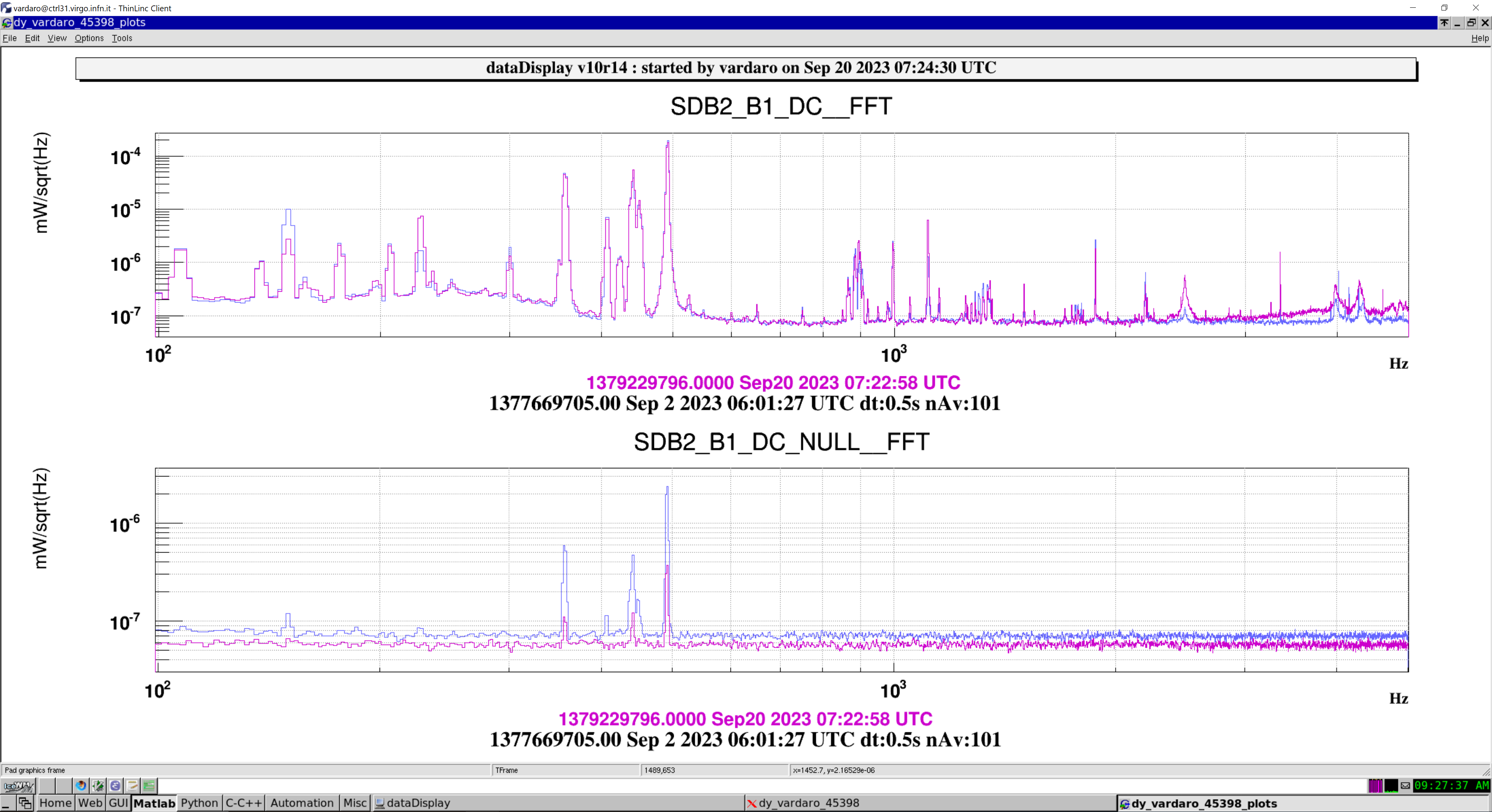
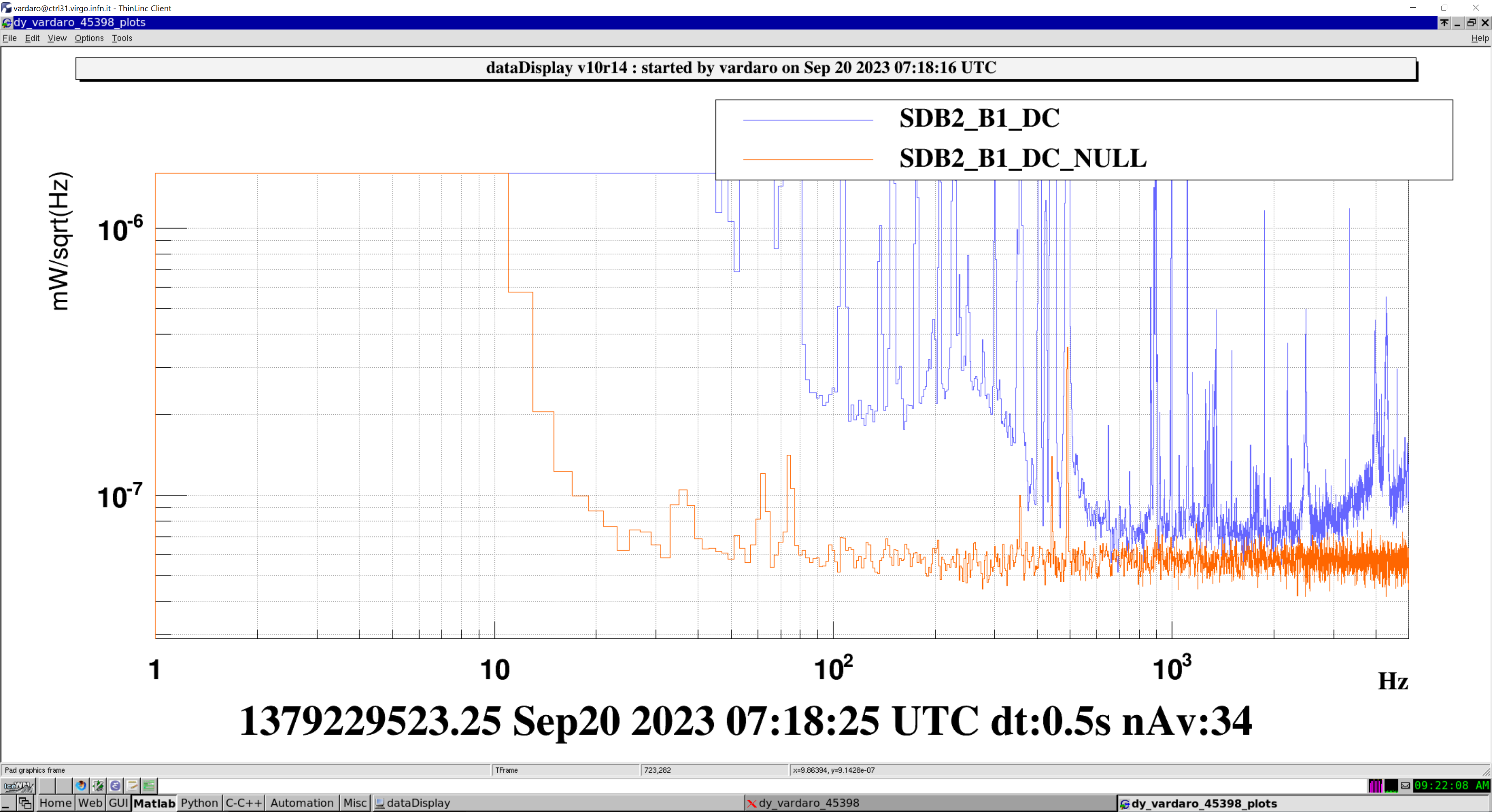
- Figure 7. Comparison of B1 DC and B1 DC_NULL between new and old PDs. In the case of B1_DC null the noise is lower because the dark noise of PDs is lower, but B1_DC has the sane level. This seems due to the fact that the high frequency was not limited only by the dark noise of B1 PDs. Now the distance between B1_DC and B1_DC_NULL is higher wrt the older PDS, See fig 8.
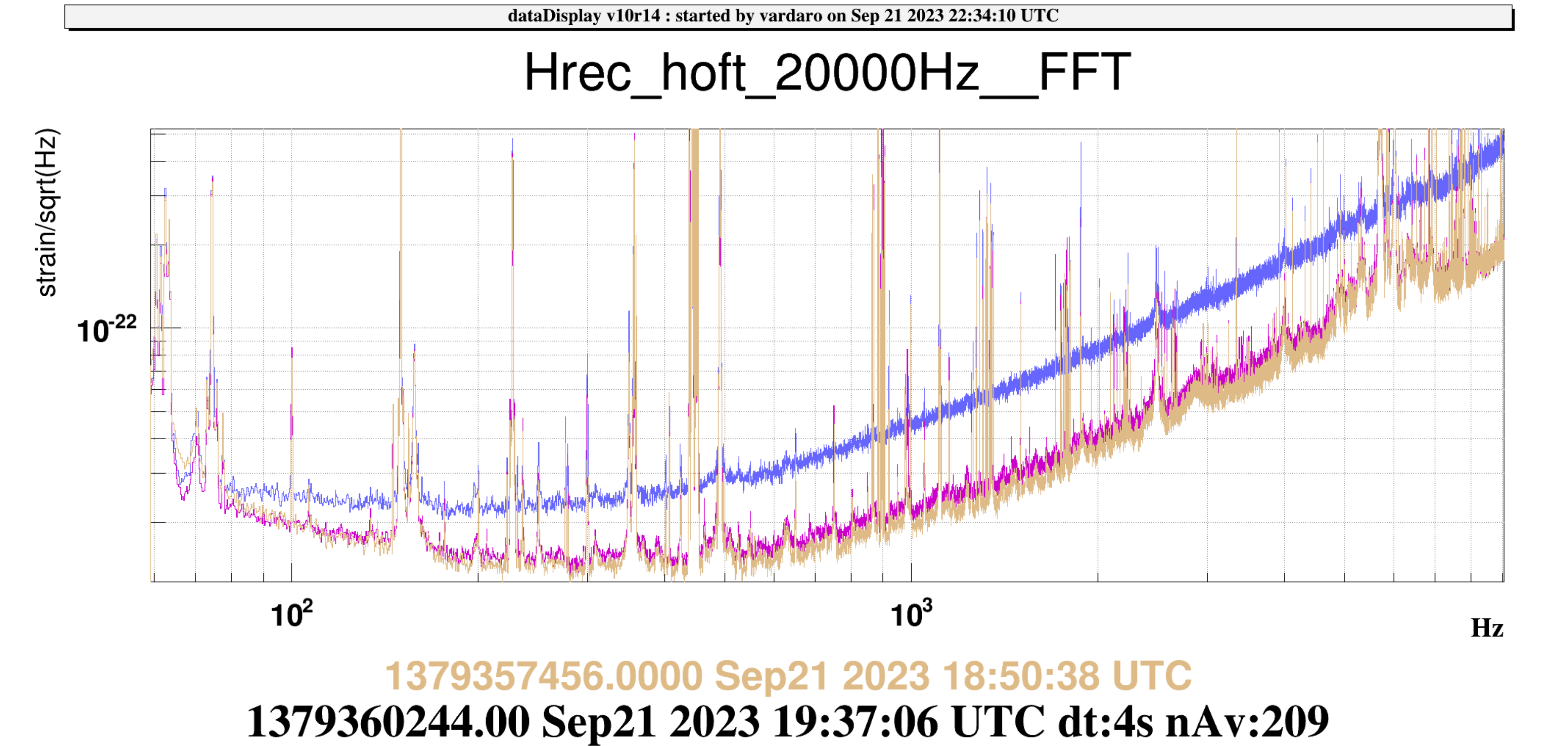
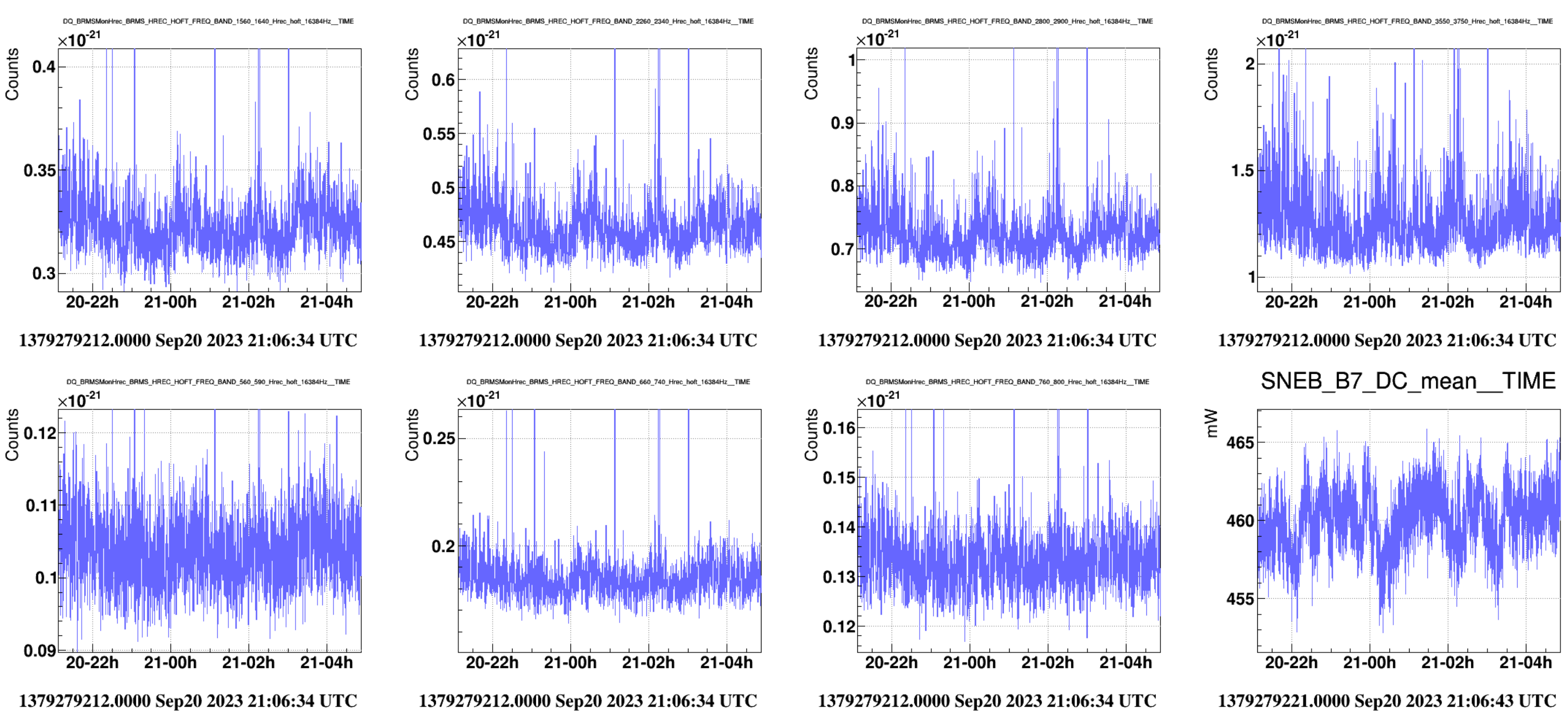
- We checked also the noise in Hrec during the last night, no SQZ inkected. And you can see that the level of hrec had oscillations compatible with an injection of 0.8 dB of SQZ (Fig 9). All these are probably evidence that we are still not shot noise limited.
- When we removed the SQZ the sensitivity dropped of about 1 Mpc. Some effect is visible (fig 10)
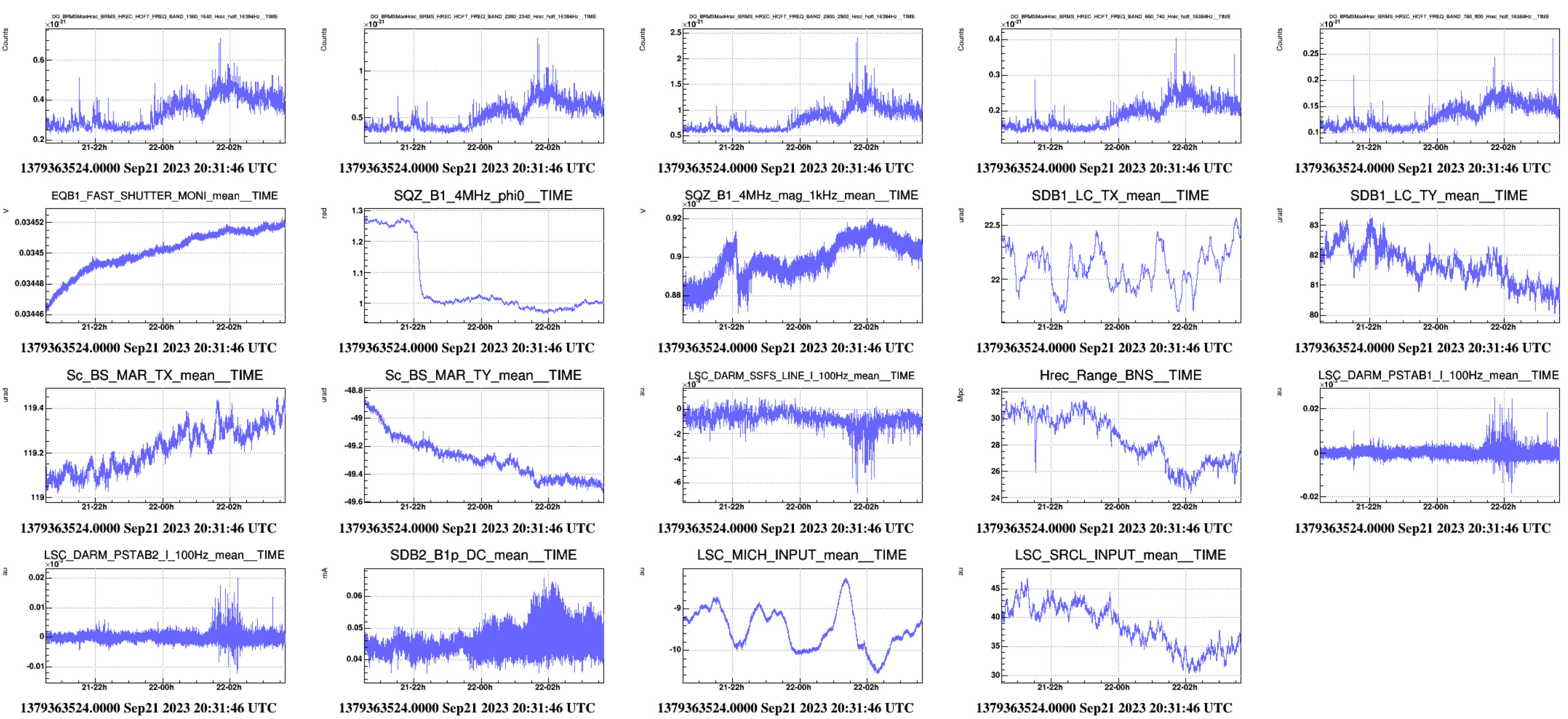
We left the system in SQZ_INJECTED and the shutter open on SQB1. We are injecting SQZ all the night (fig11 preliminary data). At 21:15 UTC we closed the SLOW CC Loop (we forgot before) and we increase the CC gain from 20000 to 35000 (we did not update this value in SQZ_MAIN.ini file)
To remove SQZ injection put SQZ_MAIN in ready for FIS injection and close SQB1 shutter: (SQB1 pico, PM34_NC by plus (800000-1000000) steps)