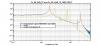
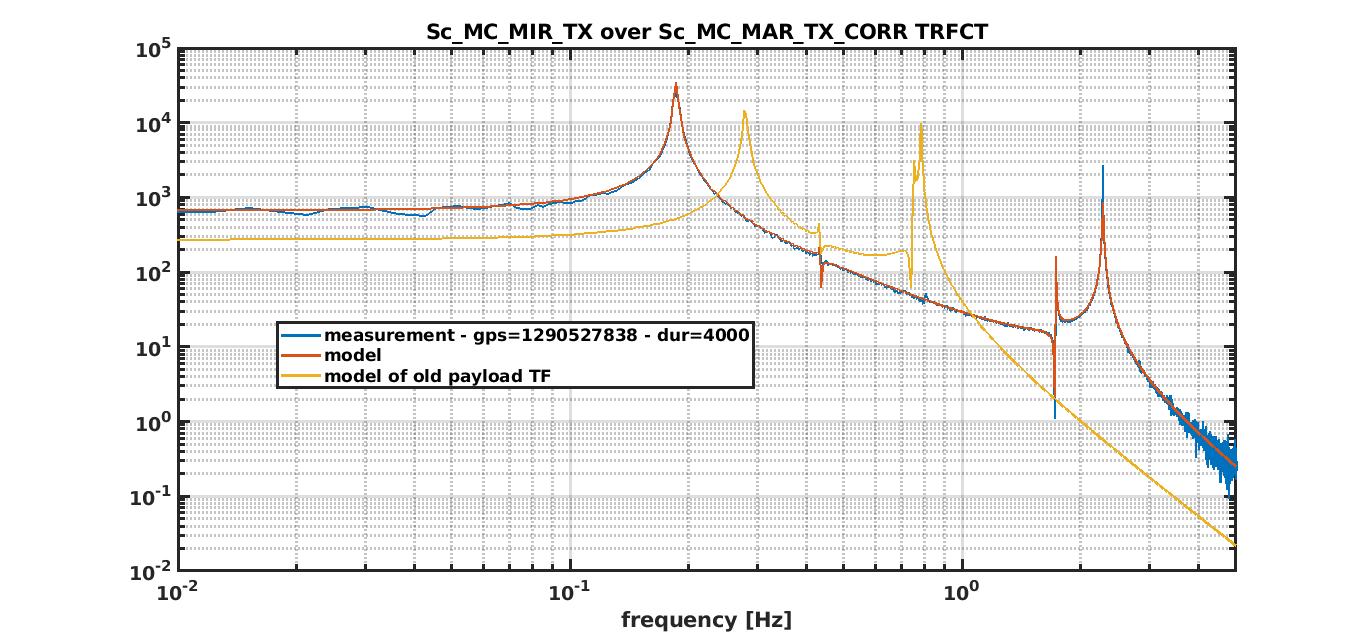
The plant of MC TX control has been measured. A expected, the first resonance has moved down, and the second has moved up (fig 1).
THe design of the loop is still a bit critical, because of the coupling with the first pendulum mode at 430 mHz. This mode produces a narrow pair zero pole in the plant, which seems negligible, but it is not. Because of the high Q, it is not possible to avoid the crossing of the unitary gain on the peak, so the phase must be good. Unfortunately the good phase is negative, while it must be positive at the next crossing, at about 1 Hz. This cannot be done with a simple robust PID: an instability at 430mHz slowly grows up. In order to be stable, the control filters needs some adjustment, and the margin of stability is reduced. Anyway, now it is much better than before.
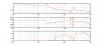
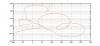
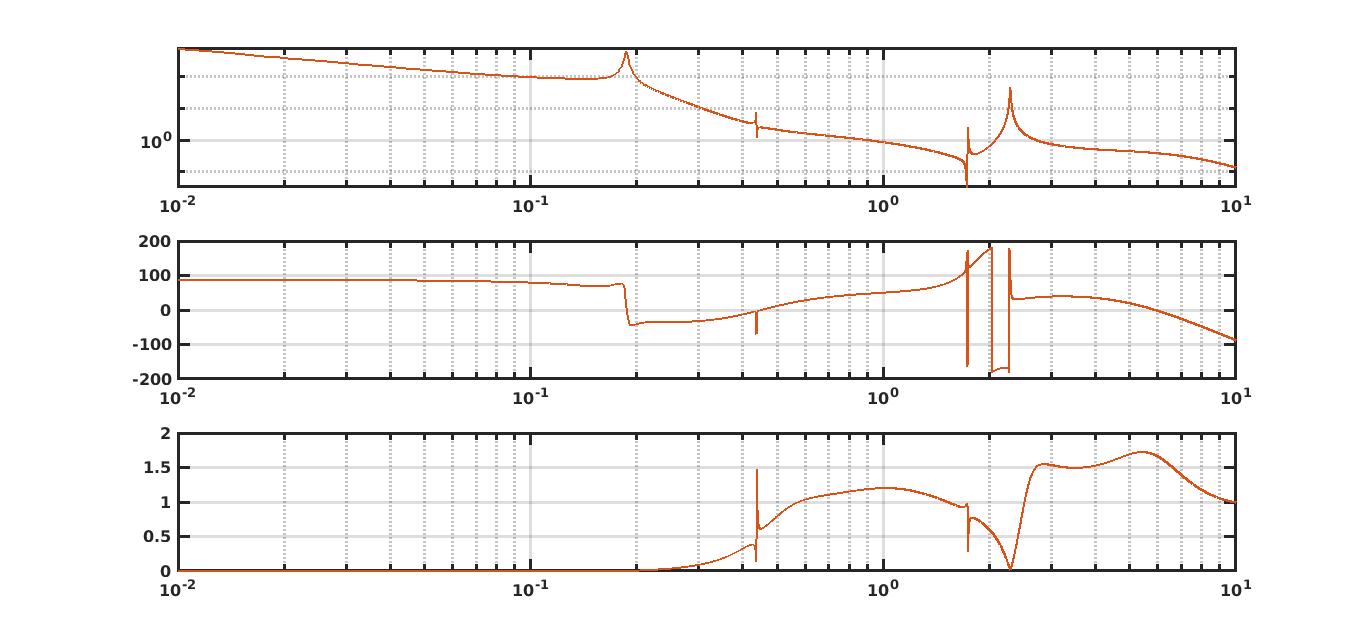
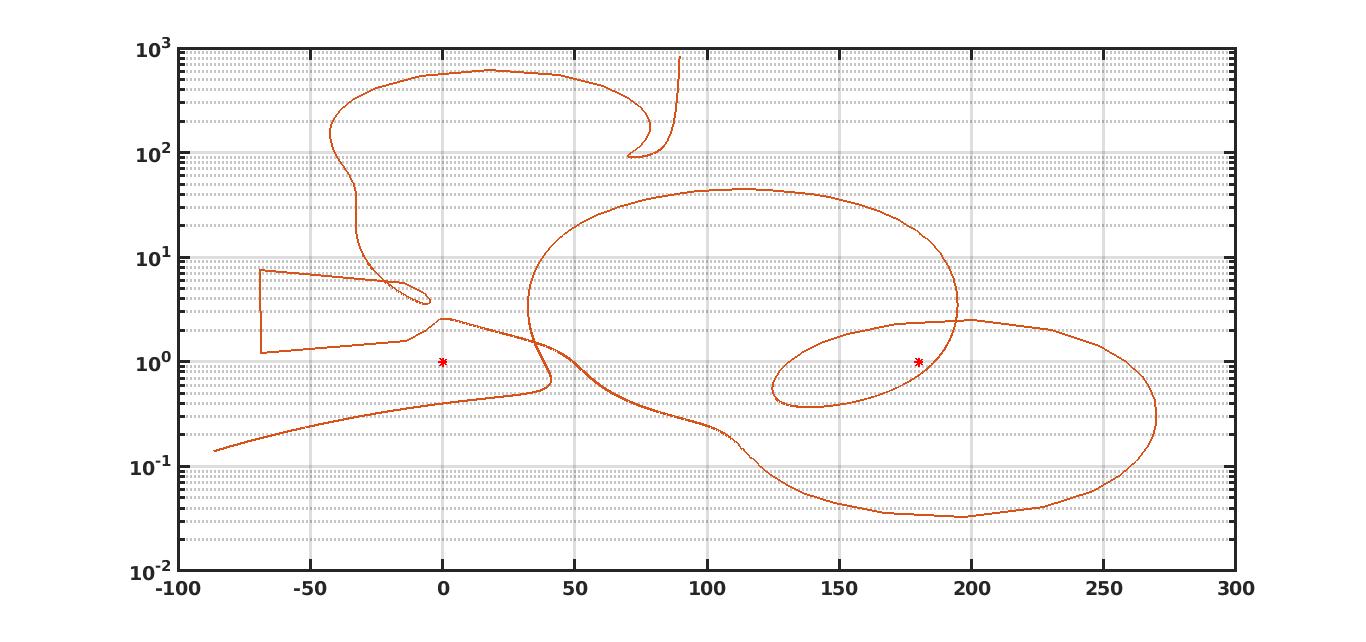
In the table, the list of poles and zeroes. In fig 2 and 3, the OLGF model.
| f | Q | |
| 0 | 0 | pole |
| 0.186 | 1.6 | zeroes |
| 0.186 | 5 | zeroes |
| 0.45 | 1.2 | zeroes |
| 1.8 | 4 | zeroes |
| 2.2 | 1 | zeroes |
| 4 | 0.6 | poles |
| 6 | 0.7 | poles |
| 14 | 0.9 | poles |
| 17 | 2 | zeroes |
| 25 | 0.7 | poles |
| 4 | 1 | zeroes |
| 4 | 0.5 | poles |
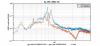
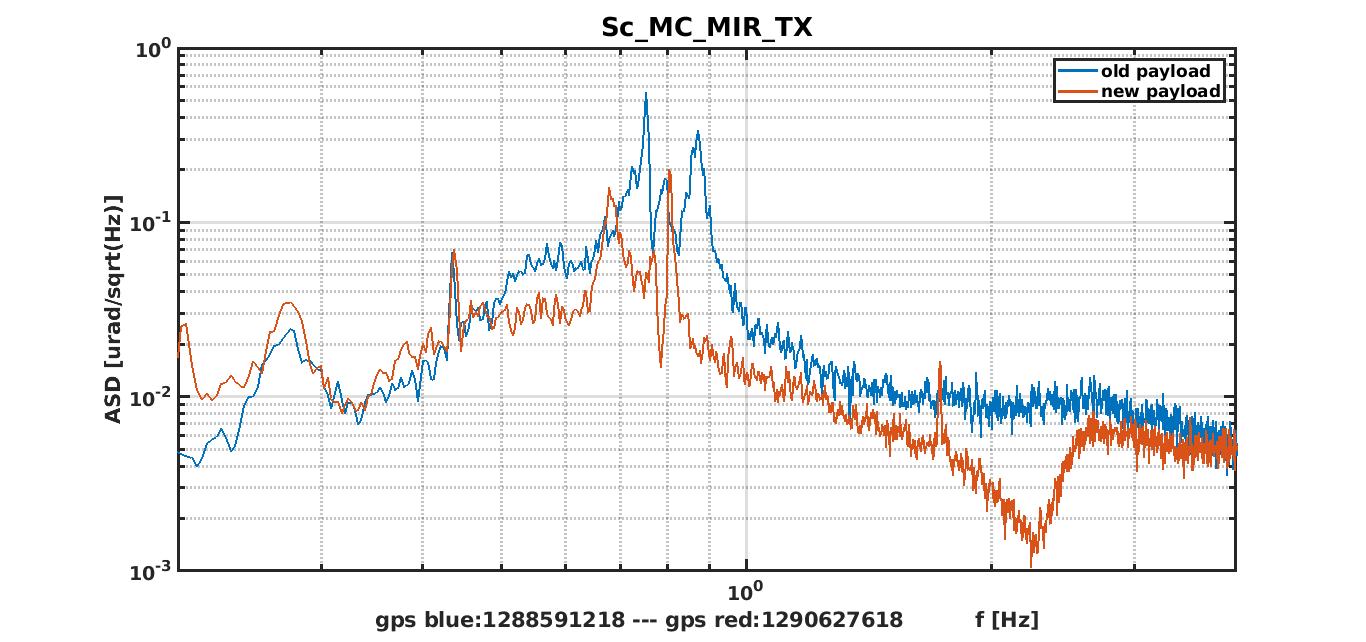
In fig 4, the comparison of TX spectrum now and before, in similar conditions (RFC not locked, Z damper ON). The structures at 0.7-0.8 Hz are still there, but much reduced, because the filter is more stable and the coupling lower. Anyway, the local control was enough stable and accurate even before. The critical point was the stability moving to the automatic alignment, if the error signal reconstruction was not perfect. We will see later if now the situation is improved.
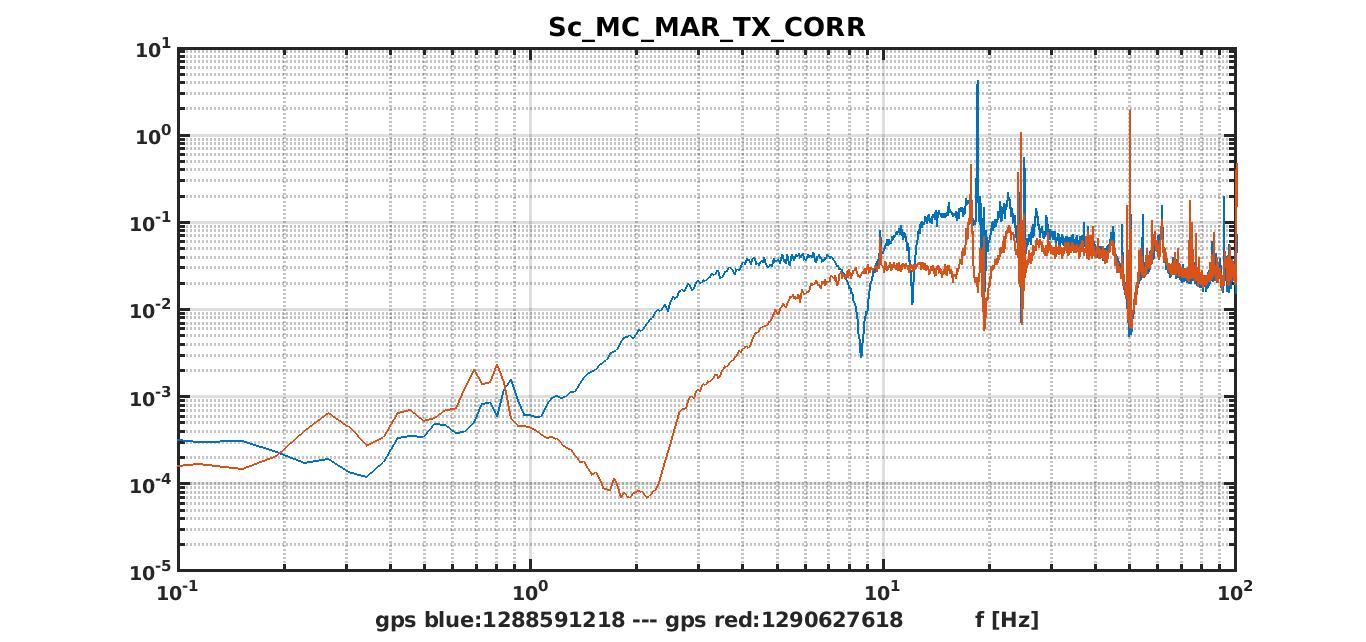
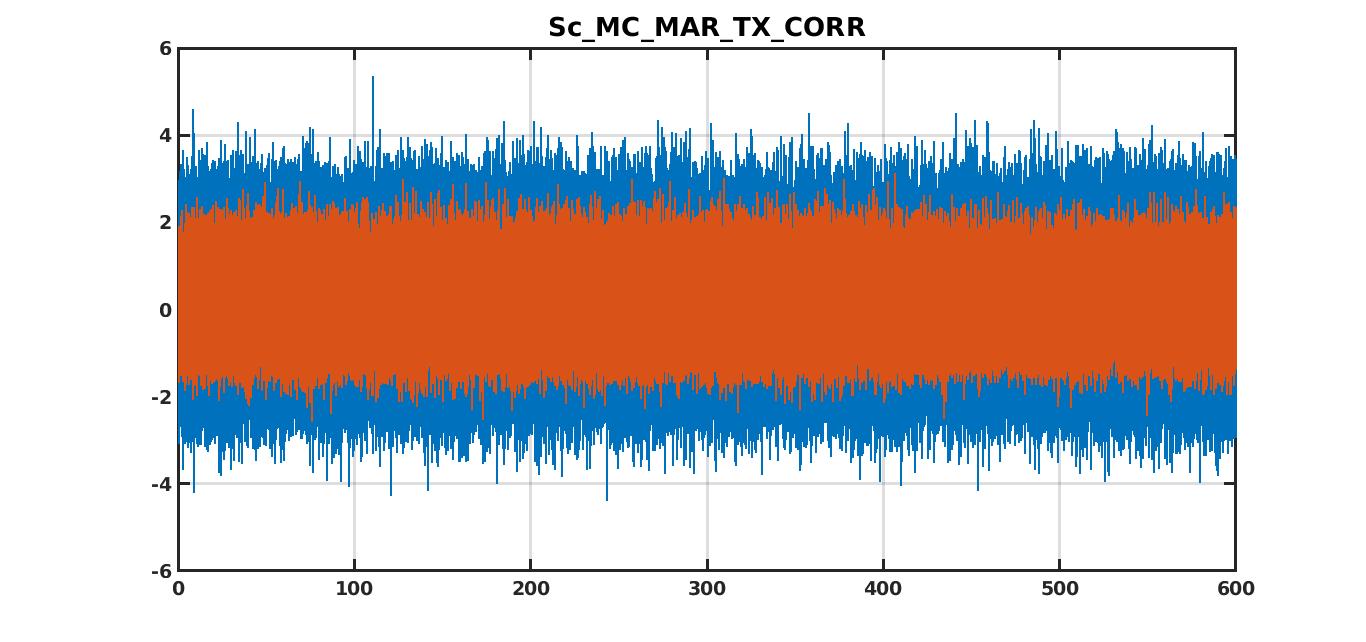
The other defect of the old TX local control was a correction a bit high. The risk of a saturation due to some occasional disturbance was not negligible. One reason of the large correction was the difficulty to put a steep roll off, because of the presence of a resonance at 8.5 Hz due to the gear box. Now, without a big effort, the correction has been reduced (fig 5, fig 6). For sure the control filter has margin of improvement, both for stability and for high frequency behaviour, if needed.